While takeoff favors the right with a quick Chicago skyline view, the long cruise phase over Alaska's mountains, the Bering Sea, and Kamchatka's volcanic peninsula plus a scenic Seoul approach give the left side far more sustained visual interest across the full flight.
Flight Path
Alaska Range foothills, Bering Sea and Aleutian chain, Kamchatka Peninsula volcanoes, Sea of Okhotsk, Sakhalin Island coastline
Great circle distance and headings ›Phase by phase
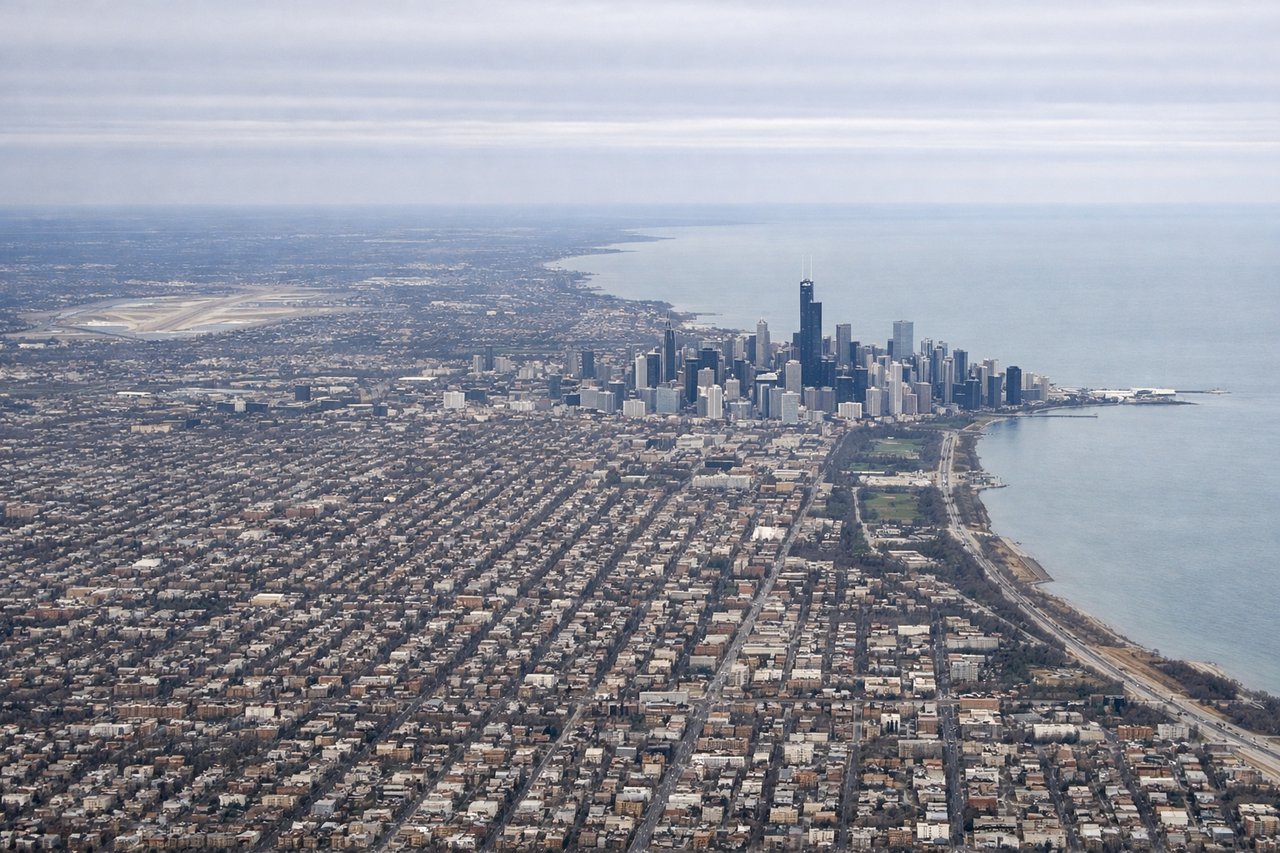
Takeoff from ORD
RIGHTAs the aircraft lifts off from O'Hare and banks onto its polar routing toward the northwest, the right side offers a brief but clear view of downtown Chicago's skyline and the curve of Lake Michigan's shoreline before the plane climbs over the flat farmland of Wisconsin.
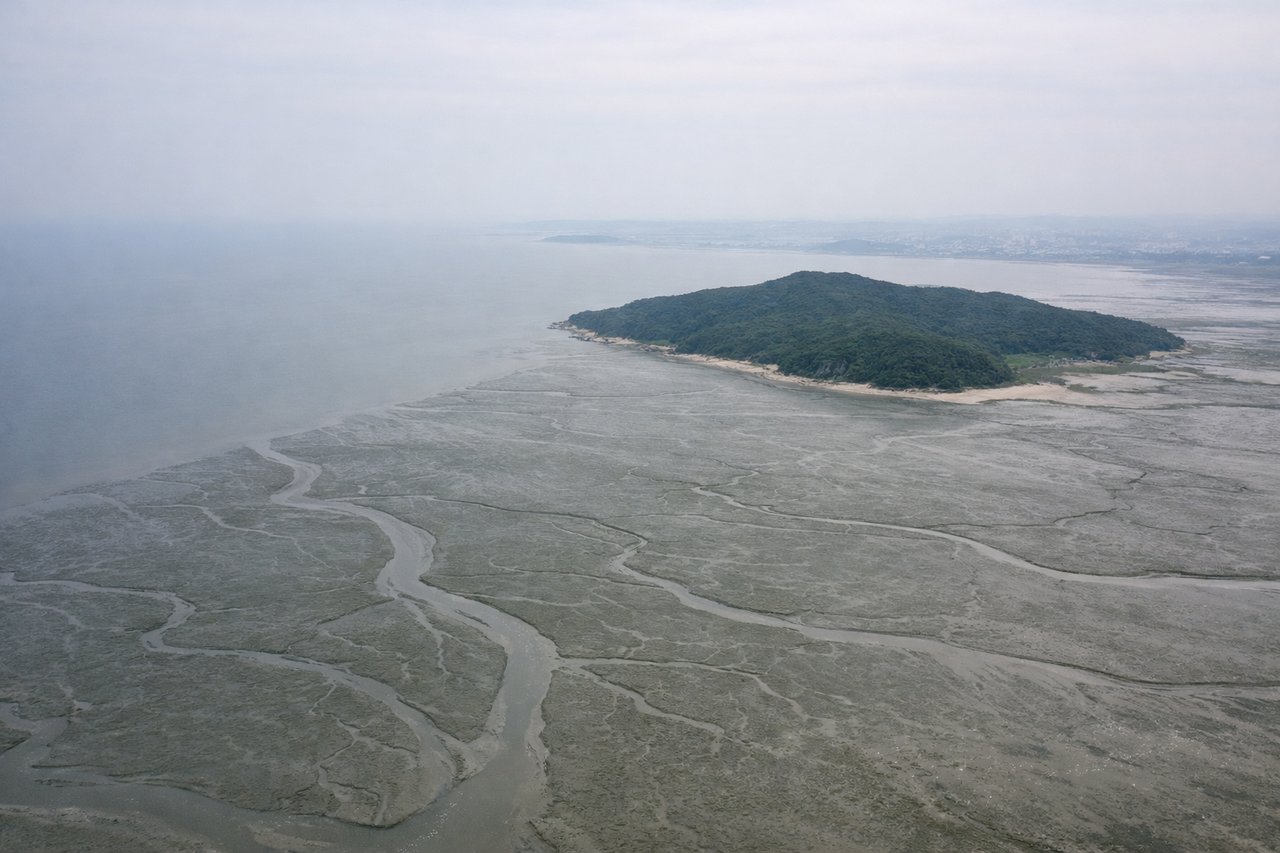
Landing at ICN
LEFTOn the final approach into Incheon from the southeast, the left side faces east toward Seoul's skyline, the wide Han River estuary, and the low mountain ridges surrounding the city, giving passengers a strong sense of arrival before landing near the Yellow Sea coast.
Landmarks on this routeAll landmarks →
Will your flight be in sunlight?
See exactly which side of the plane gets sun and shade at your departure time.
About This Route
Which side of the plane should I sit on flying from Chicago Ohare International (ORD) to Incheon International (ICN)?
Sit on the Left side of the plane for the best views on flights from Chicago to Seoul. While takeoff favors the right with a quick Chicago skyline view, the long cruise phase over Alaska's mountains, the Bering Sea, and Kamchatka's volcanic peninsula plus a scenic Seoul approach give the left side far more sustained visual interest across the full flight.
What can I see during takeoff from Chicago Ohare International in Chicago?
During takeoff from Chicago Ohare International (ORD), sit on the Right side for the best views. As the aircraft lifts off from O'Hare and banks onto its polar routing toward the northwest, the right side offers a brief but clear view of downtown Chicago's skyline and the curve of Lake Michigan's shoreline before the plane climbs over the flat farmland of Wisconsin. Notable sights include: Chicago skyline, Lake Michigan shoreline, Chicago suburbs grid pattern.
What can I see when landing at Incheon International in Seoul?
When landing at Incheon International (ICN), sit on the Left side for the best views. On the final approach into Incheon from the southeast, the left side faces east toward Seoul's skyline, the wide Han River estuary, and the low mountain ridges surrounding the city, giving passengers a strong sense of arrival before landing near the Yellow Sea coast. Notable sights include: Han River estuary, Seoul skyline, Bukhansan ridge, Yellow Sea coastline.
How long is the flight from Chicago to Seoul?
The flight from Chicago Ohare International (ORD) to Incheon International (ICN) takes 14h 10m.
What does the Chicago to Seoul flight path pass over?
Alaska Range foothills, Bering Sea and Aleutian chain, Kamchatka Peninsula volcanoes, Sea of Okhotsk, Sakhalin Island coastline