London to Banak is 1,520 miles (2,446 km), a flight of about 4 hours 15 minutes.
Right seats capture the most dramatic scenery on both legs: the North Sea crossing and the spectacular Arctic fjord landscape on approach to Banak. The landing approach alone justifies the right side choice.
Flight Path
North Sea (open water with occasional oil platforms visible in the southern section), Scottish coastline (Firth of Forth and east coast of Scotland), Orkney Islands (small archipelago), Shetland Islands (further north), Norwegian coast near Stavanger and Bergen regions, Sognefjord and other western Norwegian fjords, transition from temperate to Arctic landscape around 65°N
Great circle distance and headings ›.jpeg?width=600)

Phase by phase
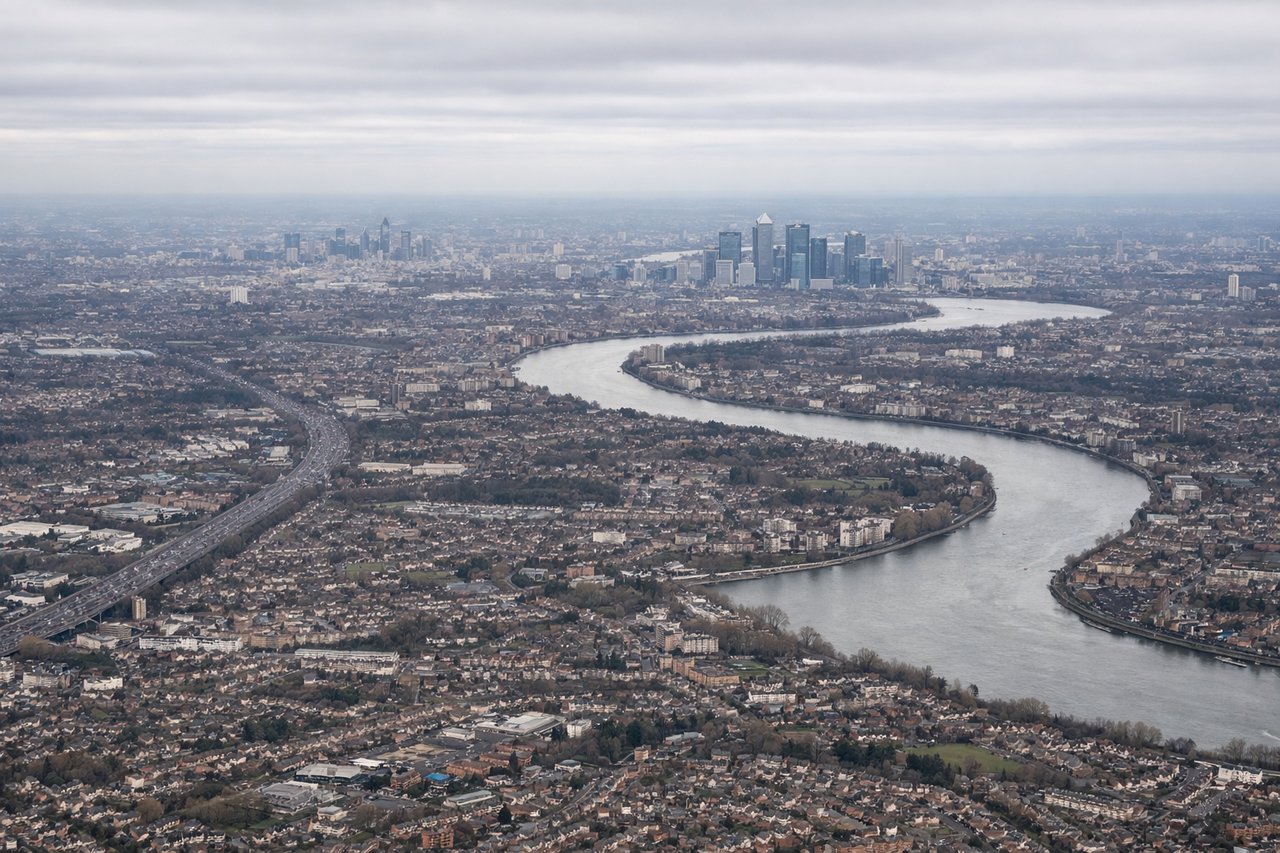
Takeoff from LHR
LEFTLeft seats offer views of the Thames estuary and the London metropolitan area during the northbound climb-out from Heathrow. You'll see the river's distinctive meanders and the urban sprawl of Greater London receding beneath you.
Landing at LKL
RIGHTRight seats provide excellent views during the descent into Banak. You'll see the North Cape region's dramatic fjord-carved coastline, the Barents Sea, and the distinctive Arctic landscape of northern Norway as you approach from the south.
Landmarks on this routeAll landmarks →
Will your flight be in sunlight?
Pick a date and time in the Sun Map to watch the sun move across your whole flight.
About This Route
Which side of the plane should I sit on flying from Heathrow (LHR) to Banak (LKL)?
Sit on the Right side of the plane for the best views on flights from London to Banak. Right seats capture the most dramatic scenery on both legs: the North Sea crossing and the spectacular Arctic fjord landscape on approach to Banak. The landing approach alone justifies the right side choice.
What can I see during takeoff from Heathrow in London?
During takeoff from Heathrow (LHR), sit on the Left side for the best views. Left seats offer views of the Thames estuary and the London metropolitan area during the northbound climb-out from Heathrow. You'll see the river's distinctive meanders and the urban sprawl of Greater London receding beneath you. Notable sights include: Thames estuary, Greater London urban area, North Downs ridge (distant), English Channel coastline to the south.
What can I see when landing at Banak in Banak?
When landing at Banak (LKL), sit on the Right side for the best views. Right seats provide excellent views during the descent into Banak. You'll see the North Cape region's dramatic fjord-carved coastline, the Barents Sea, and the distinctive Arctic landscape of northern Norway as you approach from the south. Notable sights include: Porsangerfjord, North Cape plateau, Barents Sea coastline, Arctic tundra terrain.
How long is the flight from London to Banak?
The flight from Heathrow (LHR) to Banak (LKL) takes about 4 hours 15 minutes. The shortest flight path between them is 1,520 miles (2,446 km); winds and air traffic control usually add a few percent.
What does the London to Banak flight path pass over?
North Sea (open water with occasional oil platforms visible in the southern section), Scottish coastline (Firth of Forth and east coast of Scotland), Orkney Islands (small archipelago), Shetland Islands (further north), Norwegian coast near Stavanger and Bergen regions, Sognefjord and other western Norwegian fjords, transition from temperate to Arctic landscape around 65°N