London to Hewandorra is 4,220 miles (6,791 km), a flight of about 8 hours 45 minutes.
The Piton approach on the left at landing is one of the most spectacular arrival views in the Caribbean and tips the balance. The right side at Heathrow is better for departure, but the left side wins overall for the St. Lucia arrival spectacle. Passengers who want both should prioritize the landing view.
Flight Path
The route tracks southwest from London across the Bay of Biscay, then over the Iberian Peninsula or just off the Portuguese coast, before crossing the Canary Islands latitude and heading out over the open Atlantic. The mid-Atlantic crossing passes near the Cape Verde Islands. The final third of the flight crosses the northeastern Caribbean, passing north of Barbados and the Windward Islands chain before descending toward St. Lucia.
Great circle distance and headings ›.jpeg?width=600)

Phase by phase
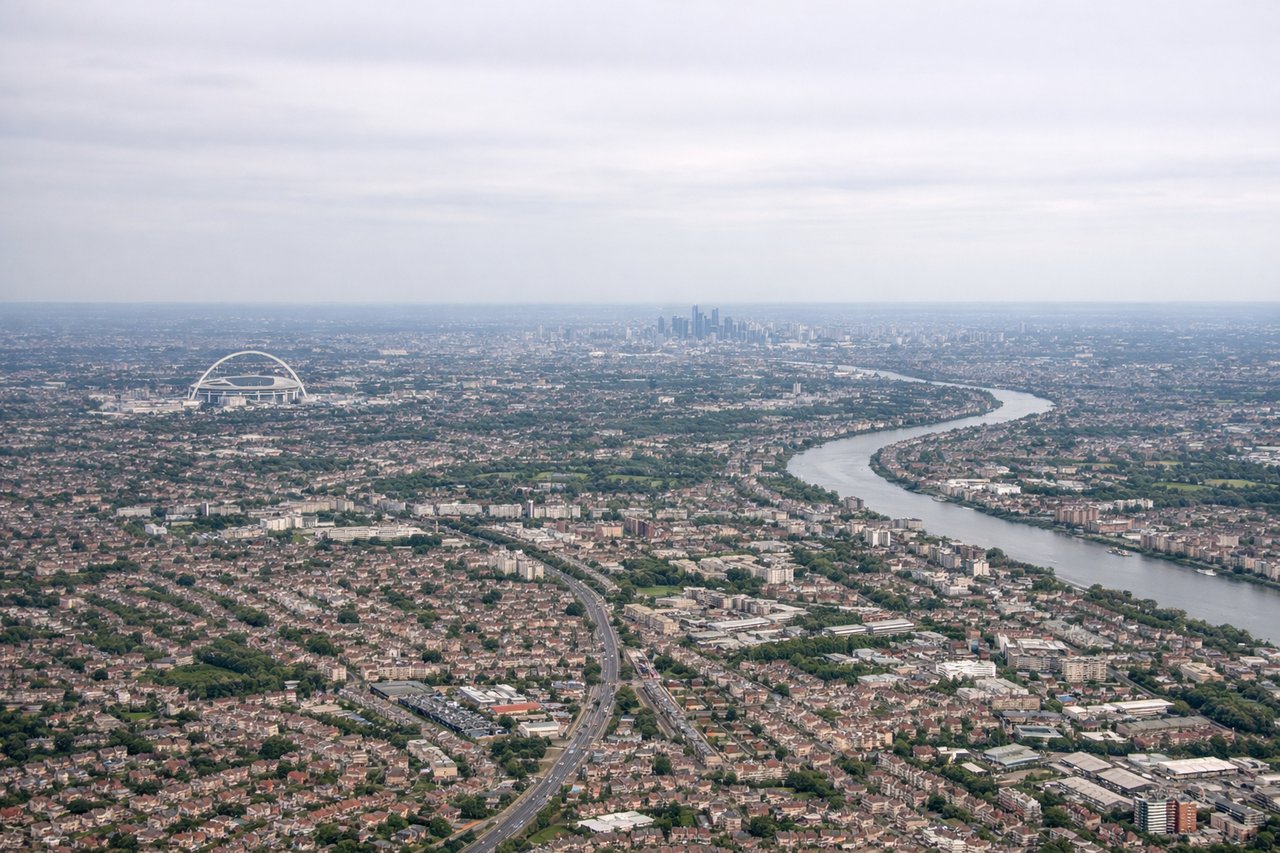
Takeoff from LHR
RIGHTHeathrow departures on the eastbound runway 27L/27R head west initially before turning south. A right-side seat gives you views over Windsor Castle, the Thames bends through west London, and the Surrey Hills as the aircraft climbs and turns southeast toward the Atlantic. Left side faces north toward Slough and the M25 corridor, which is less scenic.
Landing at UVF
LEFTHewanorra sits at the southern tip of St. Lucia. Aircraft typically approach from the north or northwest, landing on runway 10 heading east. A left-side seat faces north up the island, giving you the full dramatic spine of St. Lucia including the Piton mountains near Soufriere, the central rainforest highlands, and the Caribbean coastline on the western leeward side. Right side faces south toward open ocean.
Landmarks on this routeAll landmarks →
Will your flight be in sunlight?
Pick a date and time in the Sun Map to watch the sun move across your whole flight.
About This Route
Which side of the plane should I sit on flying from Heathrow (LHR) to Hewanorra International (UVF)?
Sit on the Left side of the plane for the best views on flights from London to Hewandorra. The Piton approach on the left at landing is one of the most spectacular arrival views in the Caribbean and tips the balance. The right side at Heathrow is better for departure, but the left side wins overall for the St. Lucia arrival spectacle. Passengers who want both should prioritize the landing view.
What can I see during takeoff from Heathrow in London?
During takeoff from Heathrow (LHR), sit on the Right side for the best views. Heathrow departures on the eastbound runway 27L/27R head west initially before turning south. A right-side seat gives you views over Windsor Castle, the Thames bends through west London, and the Surrey Hills as the aircraft climbs and turns southeast toward the Atlantic. Left side faces north toward Slough and the M25 corridor, which is less scenic. Notable sights include: Windsor Castle and Great Park, Thames river bends through Richmond and Twickenham, Surrey Hills AONB, M25 orbital motorway arc.
What can I see when landing at Hewanorra International in Hewandorra?
When landing at Hewanorra International (UVF), sit on the Left side for the best views. Hewanorra sits at the southern tip of St. Lucia. Aircraft typically approach from the north or northwest, landing on runway 10 heading east. A left-side seat faces north up the island, giving you the full dramatic spine of St. Lucia including the Piton mountains near Soufriere, the central rainforest highlands, and the Caribbean coastline on the western leeward side. Right side faces south toward open ocean. Notable sights include: Gros Piton and Petit Piton volcanic spires near Soufriere, Morne Gimie central highlands, Caribbean leeward coastline, Vieux Fort Bay directly below on final approach.
How long is the flight from London to Hewandorra?
The flight from Heathrow (LHR) to Hewanorra International (UVF) takes about 8 hours 45 minutes. The shortest flight path between them is 4,220 miles (6,791 km); winds and air traffic control usually add a few percent.
What does the London to Hewandorra flight path pass over?
The route tracks southwest from London across the Bay of Biscay, then over the Iberian Peninsula or just off the Portuguese coast, before crossing the Canary Islands latitude and heading out over the open Atlantic. The mid-Atlantic crossing passes near the Cape Verde Islands. The final third of the flight crosses the northeastern Caribbean, passing north of Barbados and the Windward Islands chain before descending toward St. Lucia.