Chicago to Duluth is 413 miles (664 km), a flight of about 1 hour 15 minutes.
While takeoff offers Chicago views, the landing approach over Lake Superior and Duluth's dramatic harbor setting is the more visually distinctive segment of this flight. Lake Superior's scale and the city's compact waterfront location create a more memorable scenic finale.
Flight Path
Wisconsin's central terrain including the Chippewa River valley, transition from urban/agricultural landscape to forested northern Wisconsin, gradual elevation increase toward the Lake Superior basin, scattered lakes and wetlands in northern Wisconsin
Great circle distance and headings ›Phase by phase
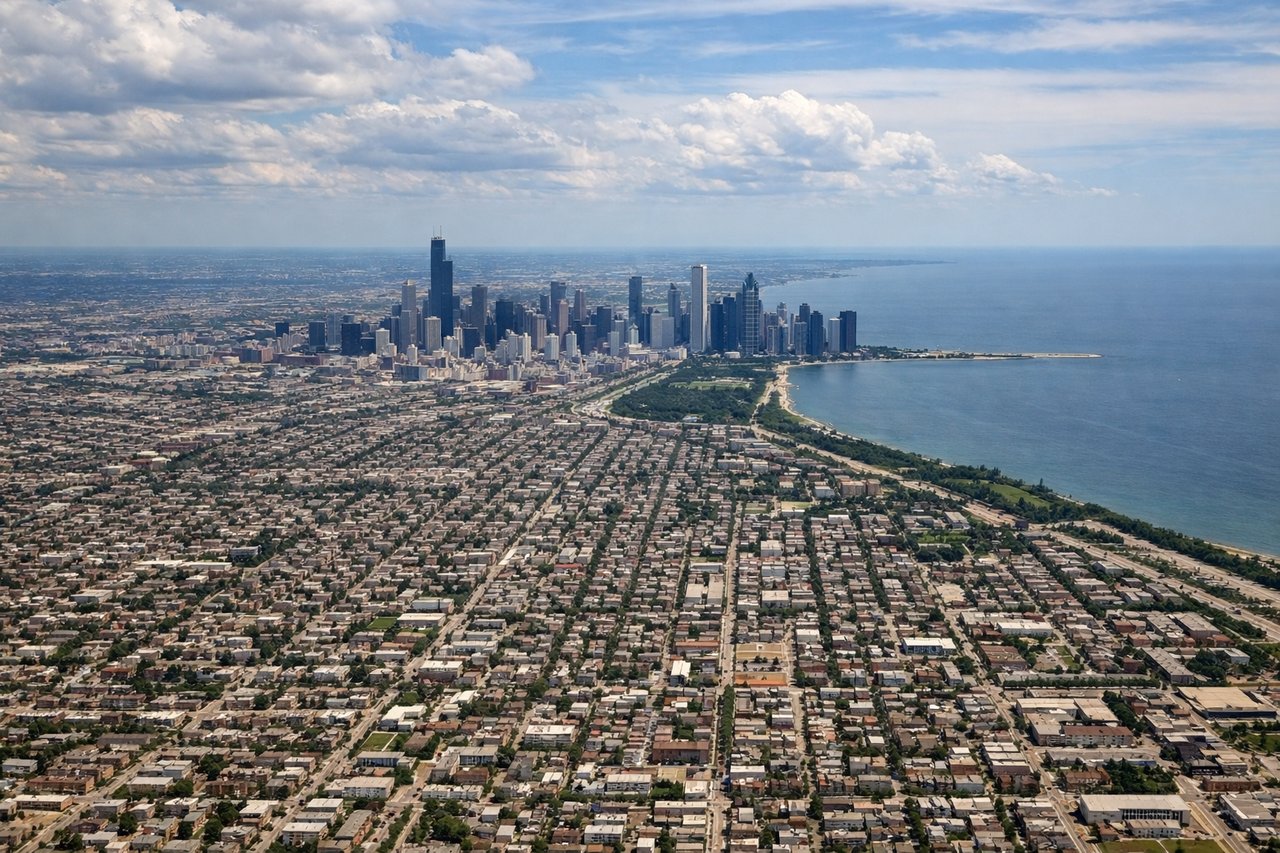
Takeoff from MDW
RIGHTRight side offers views of Lake Michigan's shoreline and the Chicago metropolitan area spreading northward. You'll see the lake's eastern edge and the city grid transitioning to suburban sprawl as you climb northwest toward Duluth.
Landing at DLH
LEFTLeft side provides views of Lake Superior's western shoreline and the Duluth harbor area during descent. You'll see the massive lake's blue expanse and the city nestled along the Minnesota Point peninsula as you approach from the southwest.
Landmarks on this routeAll landmarks →
Will your flight be in sunlight?
Pick a date and time in the Sun Map to watch the sun move across your whole flight.
About This Route
Which side of the plane should I sit on flying from Chicago Midway International (MDW) to Duluth International (DLH)?
Sit on the Left side of the plane for the best views on flights from Chicago to Duluth. While takeoff offers Chicago views, the landing approach over Lake Superior and Duluth's dramatic harbor setting is the more visually distinctive segment of this flight. Lake Superior's scale and the city's compact waterfront location create a more memorable scenic finale.
What can I see during takeoff from Chicago Midway International in Chicago?
During takeoff from Chicago Midway International (MDW), sit on the Right side for the best views. Right side offers views of Lake Michigan's shoreline and the Chicago metropolitan area spreading northward. You'll see the lake's eastern edge and the city grid transitioning to suburban sprawl as you climb northwest toward Duluth. Notable sights include: Lake Michigan (eastern shoreline), Chicago downtown skyline, Des Plaines River valley, suburban Chicago grid extending north.
What can I see when landing at Duluth International in Duluth?
When landing at Duluth International (DLH), sit on the Left side for the best views. Left side provides views of Lake Superior's western shoreline and the Duluth harbor area during descent. You'll see the massive lake's blue expanse and the city nestled along the Minnesota Point peninsula as you approach from the southwest. Notable sights include: Lake Superior (western shoreline), Duluth harbor and Minnesota Point, St. Louis River estuary, Superior National Forest (forested terrain inland).
How long is the flight from Chicago to Duluth?
The flight from Chicago Midway International (MDW) to Duluth International (DLH) takes about 1 hour 15 minutes. The shortest flight path between them is 413 miles (664 km); winds and air traffic control usually add a few percent.
What does the Chicago to Duluth flight path pass over?
Wisconsin's central terrain including the Chippewa River valley, transition from urban/agricultural landscape to forested northern Wisconsin, gradual elevation increase toward the Lake Superior basin, scattered lakes and wetlands in northern Wisconsin