Right side captures the most distinctive visual features: Lake Michigan and Chicago skyline on departure, and the flight path south generally keeps the Mississippi River and Memphis riverfront visible on the left during approach, but the takeoff experience from Midway is more dramatic and memorable on the right.
Flown MDW to MEM? Did we get it right?
Flight Path
Chicago to Memphis is 481 miles (774 km), a flight of about 1 hour 15 minutes.
The flight path crosses central Illinois, passing east of Springfield. You'll see the Illinois River valley and farmland checkerboard pattern at cruise altitude. As you approach Tennessee, the landscape transitions from flat prairie to slightly rolling terrain. The Ohio River valley becomes visible approaching Memphis from the north, with the Mississippi River's distinctive meanders becoming prominent in the final descent phase.
Great circle distance and headings ›

Phase by phase
Takeoff from MDW
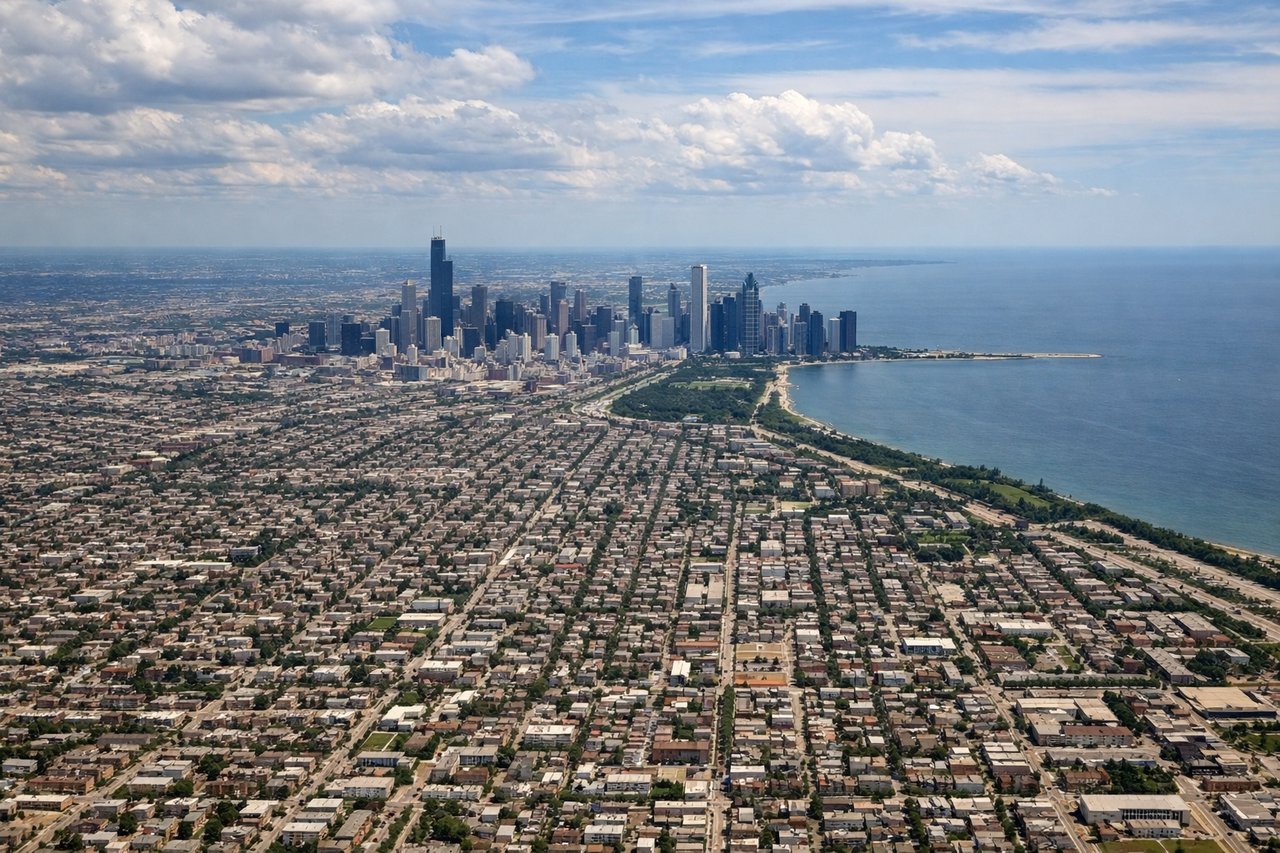
RIGHTRight side seats capture the Chicago skyline and Lake Michigan as you climb out. Midway typically departs runways 4L/4R or 13L/13R; either direction gives right-side views of downtown Chicago's high-rises and the lakefront during the initial climb.
Landing at MEM
LEFTLeft side gives views of the Mississippi River and Memphis's riverfront as you descend. Memphis International typically lands on runways 18L/18R or 36L/36R; approach from the north puts the river and downtown Memphis on the left side during final descent.
Will your flight be in sunlight?
Pick a date and time in the Sun Map to watch the sun move across your whole flight.
About This Route
Which side of the plane should I sit on flying from Chicago Midway International (MDW) to Memphis International (MEM)?
Sit on the Right side of the plane for the best views on flights from Chicago to Memphis. Right side captures the most distinctive visual features: Lake Michigan and Chicago skyline on departure, and the flight path south generally keeps the Mississippi River and Memphis riverfront visible on the left during approach, but the takeoff experience from Midway is more dramatic and memorable on the right.
What can I see during takeoff from Chicago Midway International in Chicago?
During takeoff from Chicago Midway International (MDW), sit on the Right side for the best views. Right side seats capture the Chicago skyline and Lake Michigan as you climb out. Midway typically departs runways 4L/4R or 13L/13R; either direction gives right-side views of downtown Chicago's high-rises and the lakefront during the initial climb. Notable sights include: Lake Michigan (immediate right, glinting surface), Chicago downtown skyline (Willis Tower visible among the cluster), Bridgeport neighborhood (industrial area south of downtown), Des Plaines River (thin linear feature threading through suburbs).
What can I see when landing at Memphis International in Memphis?
When landing at Memphis International (MEM), sit on the Left side for the best views. Left side gives views of the Mississippi River and Memphis's riverfront as you descend. Memphis International typically lands on runways 18L/18R or 36L/36R; approach from the north puts the river and downtown Memphis on the left side during final descent. Notable sights include: Mississippi River (wide, distinctive meander), Memphis downtown skyline (modest cluster visible on the bluff), Shelby Farms Park (large green space east of downtown), Wolf River (tributary visible joining the Mississippi).
How long is the flight from Chicago to Memphis?
The flight from Chicago Midway International (MDW) to Memphis International (MEM) takes about 1 hour 15 minutes. The shortest flight path between them is 481 miles (774 km); winds and air traffic control usually add a few percent.
What does the Chicago to Memphis flight path pass over?
The flight path crosses central Illinois, passing east of Springfield. You'll see the Illinois River valley and farmland checkerboard pattern at cruise altitude. As you approach Tennessee, the landscape transitions from flat prairie to slightly rolling terrain. The Ohio River valley becomes visible approaching Memphis from the north, with the Mississippi River's distinctive meanders becoming prominent in the final descent phase.