The right side strings together the only two genuinely scenic moments of the flight — a brief glimpse of Melbourne's skyline and bay on departure, and the Hong Kong Island/Victoria Harbour skyline during the arrival turn — while the long cruise over Australia's outback, the Banda Sea, and the Philippines is largely symmetrical between sides.
Flown MEL to HKG? Did we get it right?
Flight Path
Melbourne to Hong Kong is 4,606 miles (7,412 km), a flight of about 9 hours 5 minutes.
Northern Territory outback near the Simpson Desert, the Arafura Sea, Indonesia's Banda Sea and Timor/Maluku islands, the Sulu Sea near Mindanao, and the South China Sea approaching Hong Kong
Great circle distance and headings ›


Phase by phase
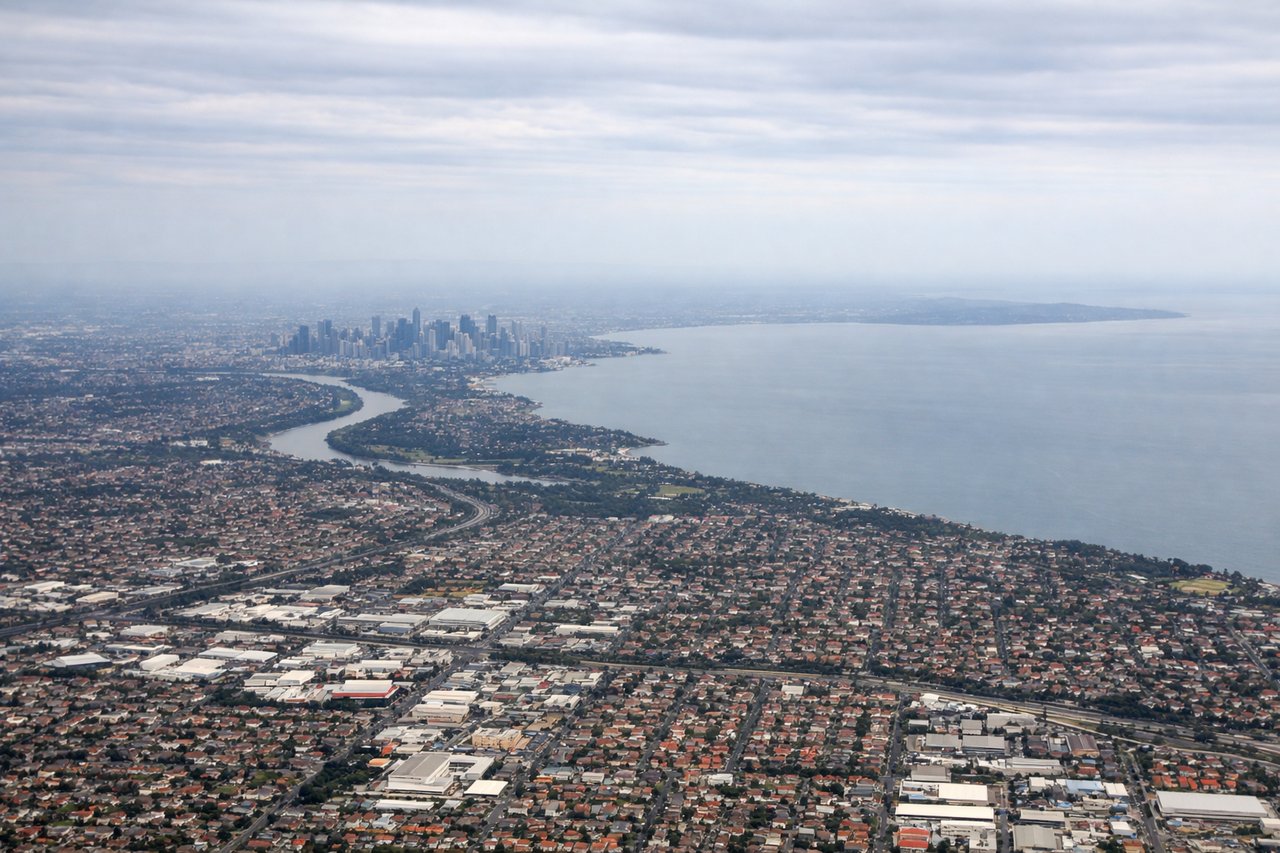
Takeoff from MEL
RIGHTMelbourne Airport's runway heading (34, toward the north-northwest) is almost exactly on the great-circle bearing to Hong Kong, so there's little turning after liftoff — but the slight initial left bank briefly swings the right side toward the city. Passengers on the right get a fleeting view of the Melbourne CBD skyline and Port Phillip Bay before the aircraft settles onto its northbound track over flat farmland.
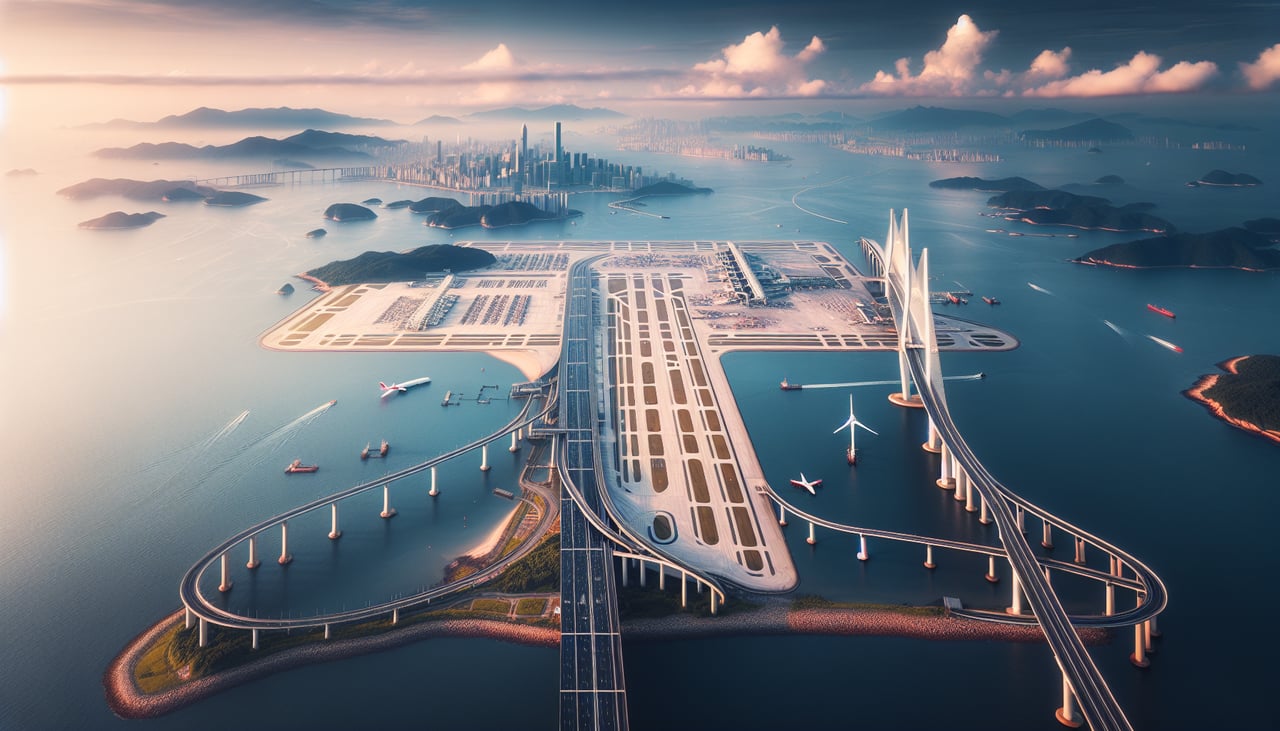
Landing at HKG
RIGHTArriving from the south over the South China Sea, flights into HKG typically swing past Lantau Island before turning for final approach, putting Hong Kong Island's skyline and Victoria Harbour on the right side of the cabin during the turn. The left side mostly faces Lantau's green ridgelines and the airport platform itself, which is scenic but less dramatic than the harbor skyline.
Will your flight be in sunlight?
Pick a date and time in the Sun Map to watch the sun move across your whole flight.
About This Route
Which side of the plane should I sit on flying from Melbourne International (MEL) to Hong Kong International (HKG)?
Sit on the Right side of the plane for the best views on flights from Melbourne to Hong Kong. The right side strings together the only two genuinely scenic moments of the flight — a brief glimpse of Melbourne's skyline and bay on departure, and the Hong Kong Island/Victoria Harbour skyline during the arrival turn — while the long cruise over Australia's outback, the Banda Sea, and the Philippines is largely symmetrical between sides.
What can I see during takeoff from Melbourne International in Melbourne?
During takeoff from Melbourne International (MEL), sit on the Right side for the best views. Melbourne Airport's runway heading (34, toward the north-northwest) is almost exactly on the great-circle bearing to Hong Kong, so there's little turning after liftoff — but the slight initial left bank briefly swings the right side toward the city. Passengers on the right get a fleeting view of the Melbourne CBD skyline and Port Phillip Bay before the aircraft settles onto its northbound track over flat farmland. Notable sights include: Melbourne CBD skyline, Yarra River, Port Phillip Bay, northern suburban grid.
What can I see when landing at Hong Kong International in Hong Kong?
When landing at Hong Kong International (HKG), sit on the Right side for the best views. Arriving from the south over the South China Sea, flights into HKG typically swing past Lantau Island before turning for final approach, putting Hong Kong Island's skyline and Victoria Harbour on the right side of the cabin during the turn. The left side mostly faces Lantau's green ridgelines and the airport platform itself, which is scenic but less dramatic than the harbor skyline. Notable sights include: Victoria Harbour, Hong Kong Island skyline, Kowloon peninsula, Lantau Island's hills.
How long is the flight from Melbourne to Hong Kong?
The flight from Melbourne International (MEL) to Hong Kong International (HKG) takes about 9 hours 5 minutes. The shortest flight path between them is 4,606 miles (7,412 km); winds and air traffic control usually add a few percent.
What does the Melbourne to Hong Kong flight path pass over?
Northern Territory outback near the Simpson Desert, the Arafura Sea, Indonesia's Banda Sea and Timor/Maluku islands, the Sulu Sea near Mindanao, and the South China Sea approaching Hong Kong