The left side delivers the most dramatic single view of the flight — the Mississippi River crescent and New Orleans on departure. The cruise portion over the Louisiana and Texas coastal plain is flat and featureless on both sides, so the takeoff view is the decisive factor. Left wins overall for that opening sequence alone.
Flown MSY to IAH? Did we get it right?
Flight Path
New Orleans to Houston is 304 miles (489 km), a flight of about 1 hour 5 minutes.
The flight crosses the flat Louisiana coastal plain and the Atchafalaya Basin wetlands shortly after departure — a vast mosaic of bayous, marsh, and open water visible below. Over eastern Texas the terrain remains flat Gulf Coastal Plain with pine forests and small towns. The Trinity River valley is faintly visible as a green corridor before Houston's suburban sprawl begins.
Great circle distance and headings ›Phase by phase
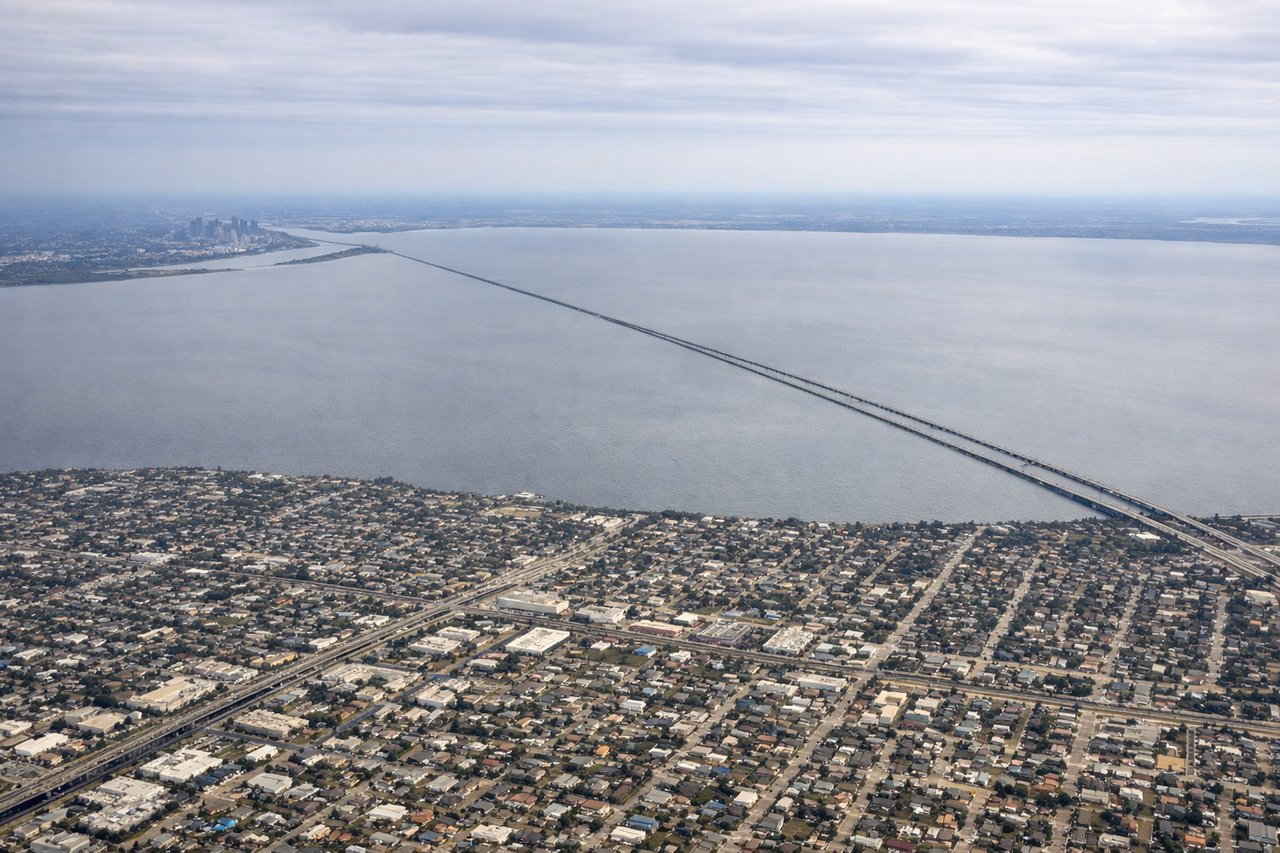
Takeoff from MSY
LEFTMSY's primary departure runway 20 sends aircraft heading southwest, then turning west toward Houston. The left side faces south, giving a clear view over the Mississippi River's dramatic bends, the city of New Orleans, and Lake Pontchartrain's southern shore as you climb out. The right side faces north over suburban sprawl with less visual interest.
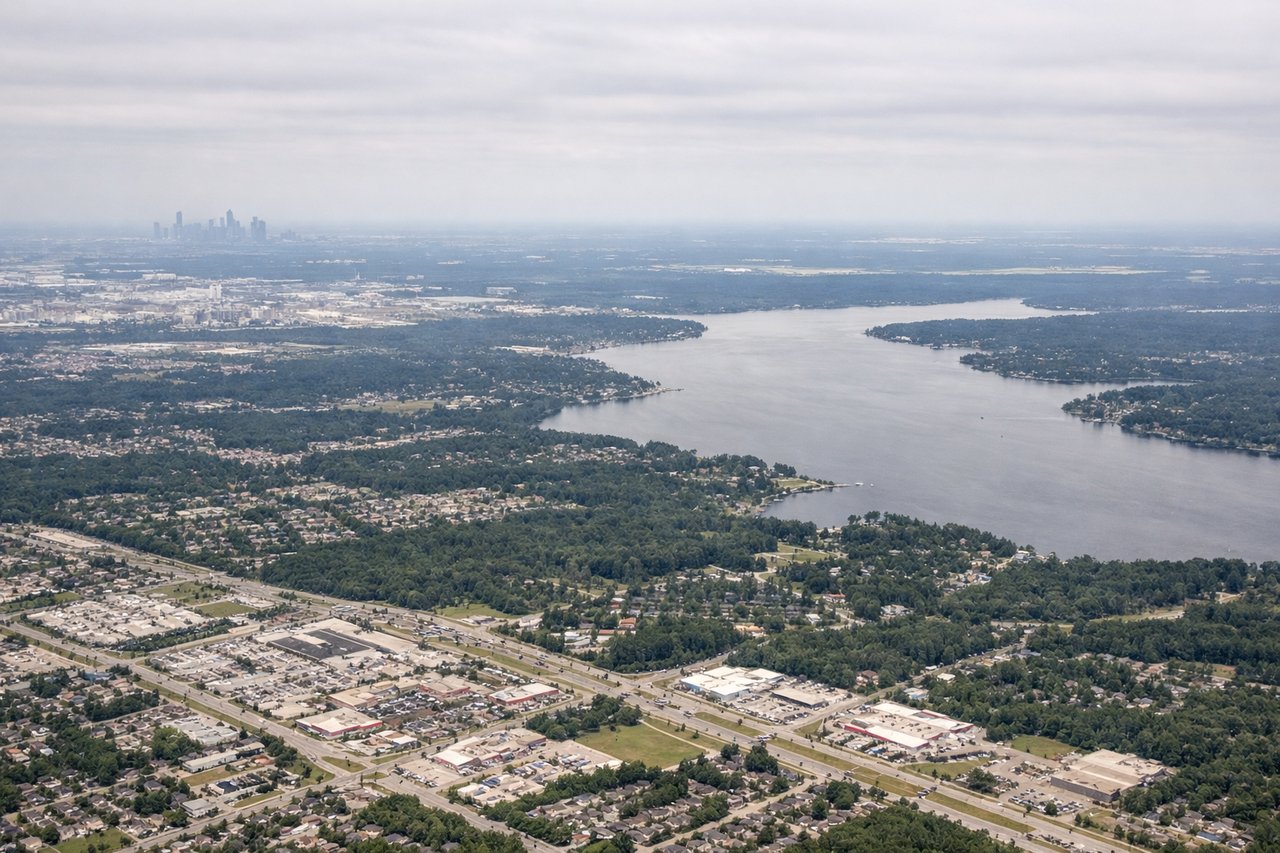
Landing at IAH
RIGHTIAH typically uses runways 26L/26R for westerly arrivals, but when landing from the east on runway 08, aircraft approach from the east-northeast. On the more common westward landing (runway 26), the right side faces north and picks up the Houston Ship Channel, Galveston Bay's upper reaches, and the sprawling refinery and industrial complex along the channel. Left side faces south toward open suburban sprawl with less definition.
Will your flight be in sunlight?
Pick a date and time in the Sun Map to watch the sun move across your whole flight.
About This Route
Which side of the plane should I sit on flying from Louis Armstrong New Orleans International (MSY) to George Bush Intcntl Houston (IAH)?
Sit on the Left side of the plane for the best views on flights from New Orleans to Houston. The left side delivers the most dramatic single view of the flight — the Mississippi River crescent and New Orleans on departure. The cruise portion over the Louisiana and Texas coastal plain is flat and featureless on both sides, so the takeoff view is the decisive factor. Left wins overall for that opening sequence alone.
What can I see during takeoff from Louis Armstrong New Orleans International in New Orleans?
During takeoff from Louis Armstrong New Orleans International (MSY), sit on the Left side for the best views. MSY's primary departure runway 20 sends aircraft heading southwest, then turning west toward Houston. The left side faces south, giving a clear view over the Mississippi River's dramatic bends, the city of New Orleans, and Lake Pontchartrain's southern shore as you climb out. The right side faces north over suburban sprawl with less visual interest. Notable sights include: Mississippi River crescent bend through New Orleans, Lake Pontchartrain's southern shoreline, the French Quarter and downtown skyline, Pontchartrain Causeway stretching north across the lake.
What can I see when landing at George Bush Intcntl Houston in Houston?
When landing at George Bush Intcntl Houston (IAH), sit on the Right side for the best views. IAH typically uses runways 26L/26R for westerly arrivals, but when landing from the east on runway 08, aircraft approach from the east-northeast. On the more common westward landing (runway 26), the right side faces north and picks up the Houston Ship Channel, Galveston Bay's upper reaches, and the sprawling refinery and industrial complex along the channel. Left side faces south toward open suburban sprawl with less definition. Notable sights include: Houston Ship Channel industrial corridor, upper Galveston Bay, Lake Houston to the northeast, downtown Houston skyline visible to the southwest during approach.
How long is the flight from New Orleans to Houston?
The flight from Louis Armstrong New Orleans International (MSY) to George Bush Intcntl Houston (IAH) takes about 1 hour 5 minutes. The shortest flight path between them is 304 miles (489 km); winds and air traffic control usually add a few percent.
What does the New Orleans to Houston flight path pass over?
The flight crosses the flat Louisiana coastal plain and the Atchafalaya Basin wetlands shortly after departure — a vast mosaic of bayous, marsh, and open water visible below. Over eastern Texas the terrain remains flat Gulf Coastal Plain with pine forests and small towns. The Trinity River valley is faintly visible as a green corridor before Houston's suburban sprawl begins.