New Orleans to New York is 1,182 miles (1,902 km), a flight of about 2 hours 45 minutes.
The left side offers the more varied and dramatic experience overall: Lake Pontchartrain at departure, glimpses of the Appalachian foothills and Piedmont terrain during cruise as the route arcs northeast, and a scenic approach over Jamaica Bay with the Manhattan skyline visible before landing.
Flight Path
The route crosses the Gulf Coastal Plain through Mississippi and Alabama, skirts the eastern edge of the Appalachian Piedmont near Georgia and the Carolinas, then continues over Virginia and the Delmarva Peninsula before reaching the New York City area.
Great circle distance and headings ›
.jpeg?width=600)
.jpg?width=600)
Phase by phase
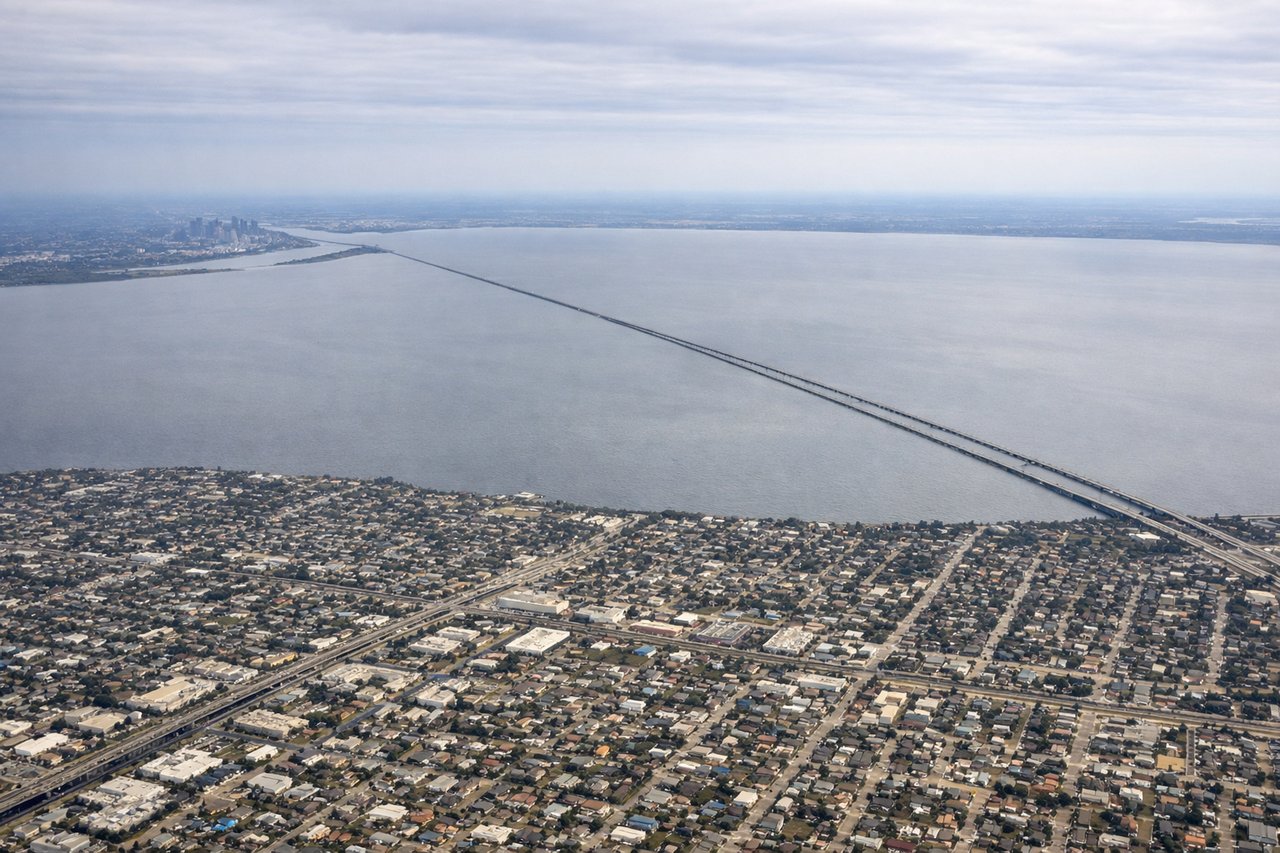
Takeoff from MSY
LEFTDeparting MSY to the northeast, the climb-out passes directly over the vast expanse of Lake Pontchartrain, which sits just north of the airport and is best seen from the left side of the aircraft.
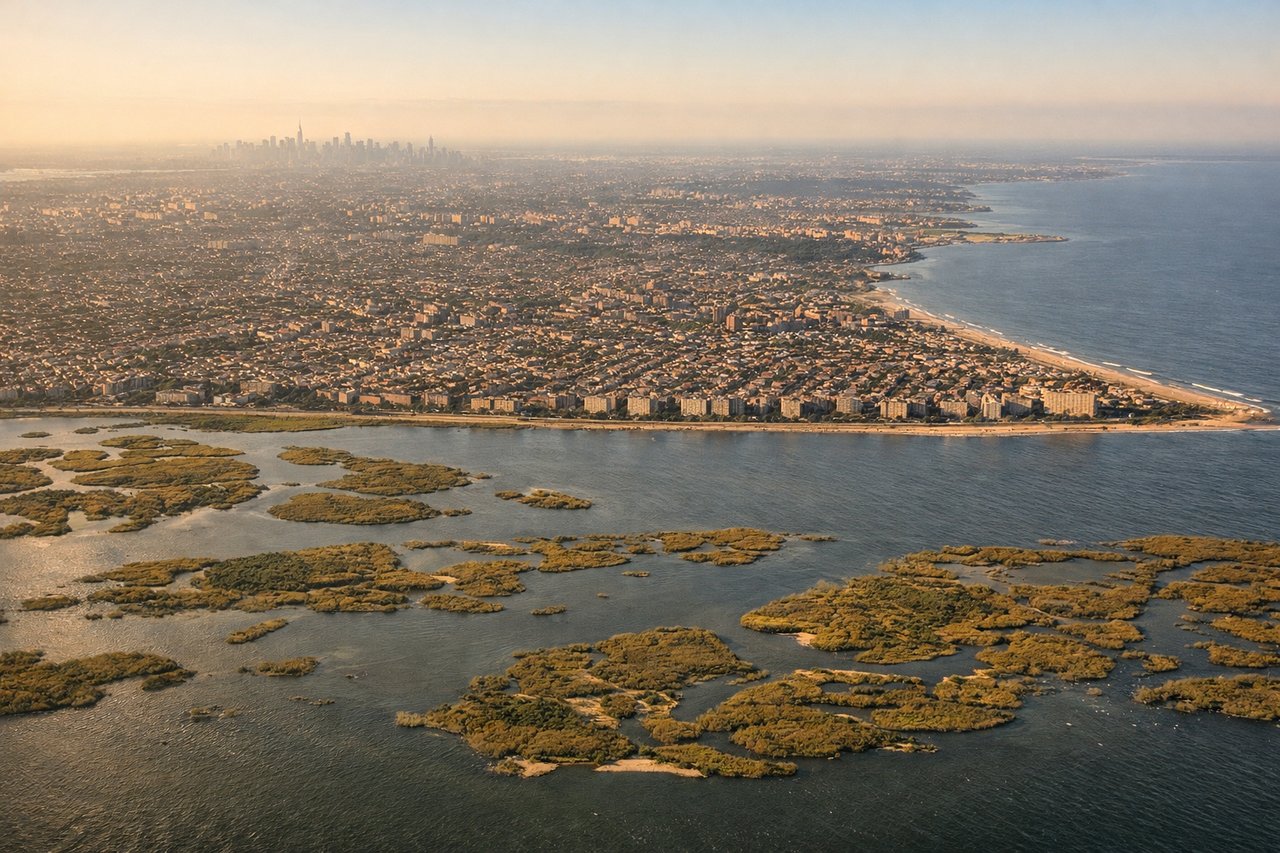
Landing at JFK
LEFTOn approach into JFK from the south, the aircraft typically crosses Jamaica Bay and the Rockaway Peninsula before turning onto final, giving left-side passengers a clear view of the Manhattan skyline and the Verrazzano Narrows in the distance.
Landmarks on this routeAll landmarks →
Will your flight be in sunlight?
Pick a date and time in the Sun Map to watch the sun move across your whole flight.
About This Route
Which side of the plane should I sit on flying from Louis Armstrong New Orleans International (MSY) to John F Kennedy International (JFK)?
Sit on the Left side of the plane for the best views on flights from New Orleans to New York. The left side offers the more varied and dramatic experience overall: Lake Pontchartrain at departure, glimpses of the Appalachian foothills and Piedmont terrain during cruise as the route arcs northeast, and a scenic approach over Jamaica Bay with the Manhattan skyline visible before landing.
What can I see during takeoff from Louis Armstrong New Orleans International in New Orleans?
During takeoff from Louis Armstrong New Orleans International (MSY), sit on the Left side for the best views. Departing MSY to the northeast, the climb-out passes directly over the vast expanse of Lake Pontchartrain, which sits just north of the airport and is best seen from the left side of the aircraft. Notable sights include: Lake Pontchartrain, the Pontchartrain Causeway bridge, New Orleans metro sprawl.
What can I see when landing at John F Kennedy International in New York?
When landing at John F Kennedy International (JFK), sit on the Left side for the best views. On approach into JFK from the south, the aircraft typically crosses Jamaica Bay and the Rockaway Peninsula before turning onto final, giving left-side passengers a clear view of the Manhattan skyline and the Verrazzano Narrows in the distance. Notable sights include: Manhattan skyline, Jamaica Bay, Rockaway Peninsula, Verrazzano-Narrows Bridge.
How long is the flight from New Orleans to New York?
The flight from Louis Armstrong New Orleans International (MSY) to John F Kennedy International (JFK) takes about 2 hours 45 minutes. The shortest flight path between them is 1,182 miles (1,902 km); winds and air traffic control usually add a few percent.
What does the New Orleans to New York flight path pass over?
The route crosses the Gulf Coastal Plain through Mississippi and Alabama, skirts the eastern edge of the Appalachian Piedmont near Georgia and the Carolinas, then continues over Virginia and the Delmarva Peninsula before reaching the New York City area.