New York to New Orleans is 1,182 miles (1,902 km), a flight of about 3 hours 15 minutes.
Left side wins at both ends of the flight. During the cruise over the southeastern US, left-side passengers also get better views of the Gulf Coast approach and the Louisiana bayou landscape — a patchwork of marshes, barrier islands, and waterways that is genuinely distinctive from altitude.
Flight Path
The flight tracks southwest over New Jersey, Delaware, and the Chesapeake Bay region, then over the Appalachian foothills of Virginia and the Carolinas. Over Georgia and Alabama the terrain flattens into the coastal plain. The final portion crosses the Mississippi Delta and Louisiana's vast coastal wetlands — a striking mosaic of bayous, marsh grass, and open water visible clearly from altitude before descending into New Orleans.
Great circle distance and headings ›.jpg?width=600)
.jpeg?width=600)

Phase by phase
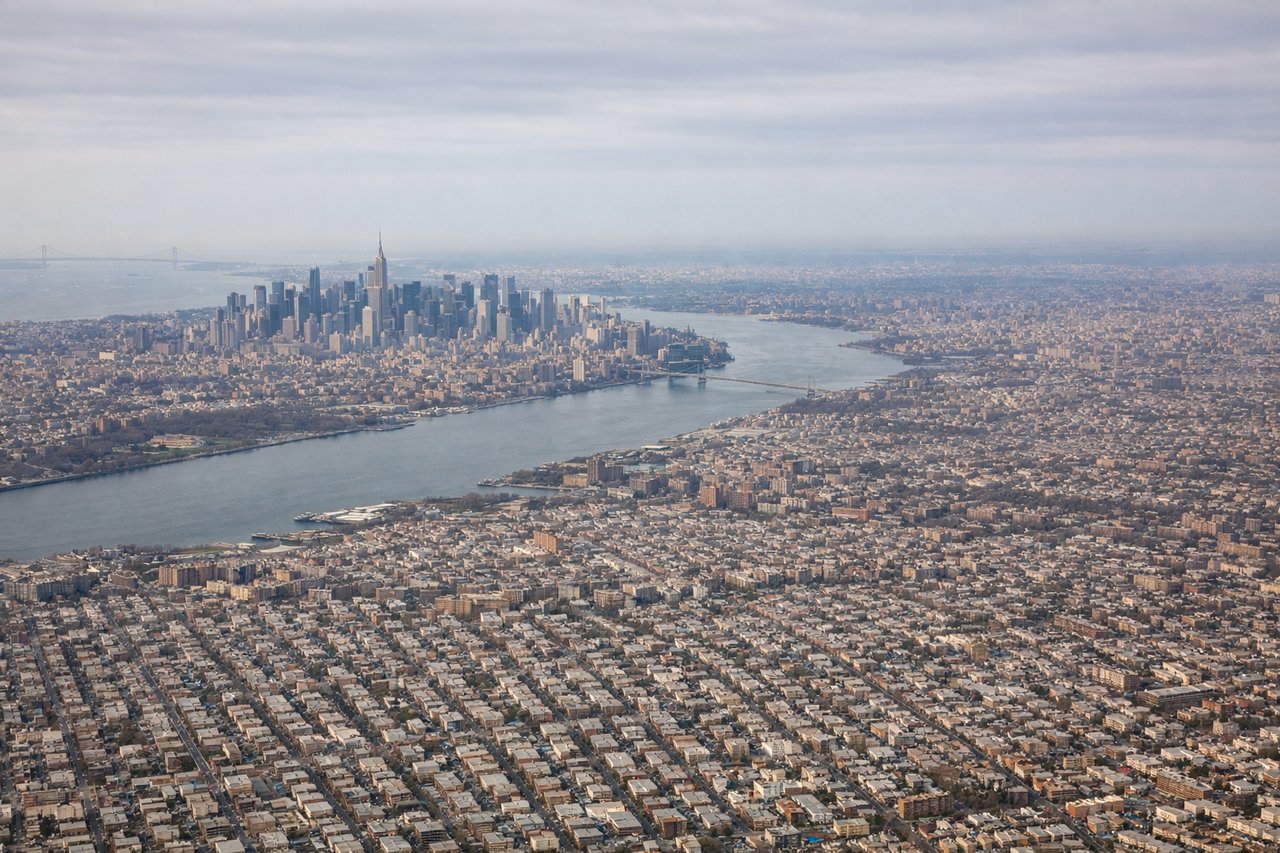
Takeoff from JFK
LEFTJFK primarily departs eastward on runways 31L/31R or southward on 22L/22R depending on wind. On the common westbound departure routing, a left turn after takeoff puts Manhattan directly in view — the skyline, Hudson River, and Upper New York Bay are all clearly visible from the left side during the climbing turn toward the southwest.
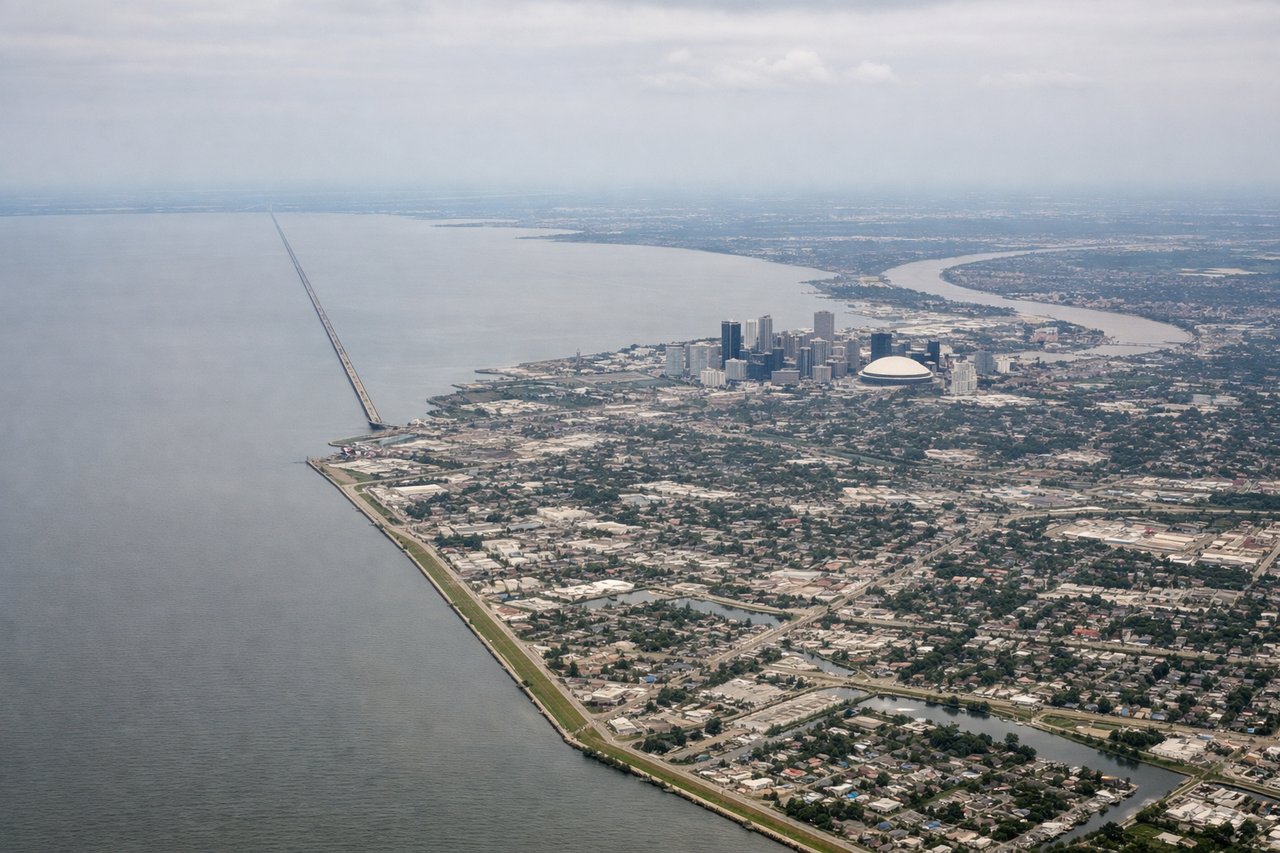
Landing at MSY
LEFTMSY typically lands on runway 10/28 or 20. On the common approach from the east or northeast, aircraft track over Lake Pontchartrain and then the Mississippi River before touching down. Left-side passengers get a clear view of Lake Pontchartrain's broad expanse, the causeway, and the dramatic bend of the Mississippi River with the New Orleans urban core.
Landmarks on this routeAll landmarks →
Will your flight be in sunlight?
Pick a date and time in the Sun Map to watch the sun move across your whole flight.
About This Route
Which side of the plane should I sit on flying from John F Kennedy International (JFK) to Louis Armstrong New Orleans International (MSY)?
Sit on the Left side of the plane for the best views on flights from New York to New Orleans. Left side wins at both ends of the flight. During the cruise over the southeastern US, left-side passengers also get better views of the Gulf Coast approach and the Louisiana bayou landscape — a patchwork of marshes, barrier islands, and waterways that is genuinely distinctive from altitude.
What can I see during takeoff from John F Kennedy International in New York?
During takeoff from John F Kennedy International (JFK), sit on the Left side for the best views. JFK primarily departs eastward on runways 31L/31R or southward on 22L/22R depending on wind. On the common westbound departure routing, a left turn after takeoff puts Manhattan directly in view — the skyline, Hudson River, and Upper New York Bay are all clearly visible from the left side during the climbing turn toward the southwest. Notable sights include: Manhattan skyline, Upper New York Bay, Verrazano-Narrows Bridge, Jamaica Bay directly below.
What can I see when landing at Louis Armstrong New Orleans International in New Orleans?
When landing at Louis Armstrong New Orleans International (MSY), sit on the Left side for the best views. MSY typically lands on runway 10/28 or 20. On the common approach from the east or northeast, aircraft track over Lake Pontchartrain and then the Mississippi River before touching down. Left-side passengers get a clear view of Lake Pontchartrain's broad expanse, the causeway, and the dramatic bend of the Mississippi River with the New Orleans urban core. Notable sights include: Lake Pontchartrain, Lake Pontchartrain Causeway, Mississippi River crescent bend, New Orleans city grid.
How long is the flight from New York to New Orleans?
The flight from John F Kennedy International (JFK) to Louis Armstrong New Orleans International (MSY) takes about 3 hours 15 minutes. The shortest flight path between them is 1,182 miles (1,902 km); winds and air traffic control usually add a few percent.
What does the New York to New Orleans flight path pass over?
The flight tracks southwest over New Jersey, Delaware, and the Chesapeake Bay region, then over the Appalachian foothills of Virginia and the Carolinas. Over Georgia and Alabama the terrain flattens into the coastal plain. The final portion crosses the Mississippi Delta and Louisiana's vast coastal wetlands — a striking mosaic of bayous, marsh grass, and open water visible clearly from altitude before descending into New Orleans.