The Reykjavik approach on the right side is the visual highlight of the trip — Faxaflói Bay, the colorful city, and Mount Esja together make a striking arrival scene. The Chicago departure on the left is excellent but the right side wins overall due to the Iceland arrival scenery being more dramatic and unique.
Flown ORD to RKV? Did we get it right?
Flight Path
Chicago to Reykjavik is 2,956 miles (4,757 km), a flight of about 7 hours 30 minutes.
The route tracks northeast from Chicago over the Great Lakes (Lake Michigan, Lake Huron visible early on), then across Ontario and Quebec, over the Gulf of St. Lawrence and Newfoundland, then out over the North Atlantic. Mid-flight passes over the Labrador Sea and approaches Iceland from the southeast, crossing the Vatnajökull ice cap region before descending toward Reykjavik. Greenland's southeastern tip may be visible on the northern horizon depending on exact routing.
Great circle distance and headings ›

Phase by phase

Takeoff from ORD
LEFTO'Hare's primary departure runways (9L/27R and 10/28) mean eastbound departures often swing northeast over the city. A left seat gives you the Chicago skyline, Lake Michigan shoreline, and the dense urban grid of the North Side as you climb out. Right side faces suburban sprawl with little of interest.
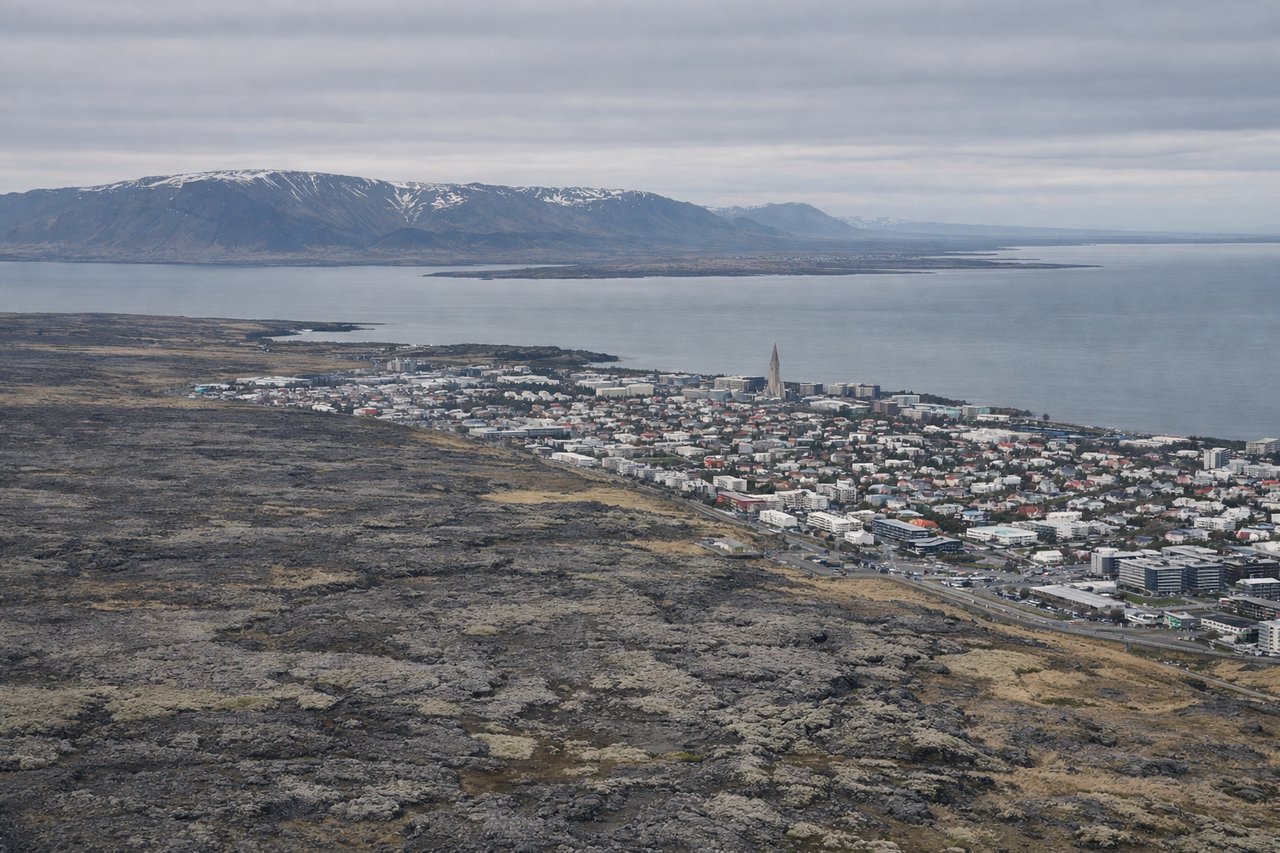
Landing at RKV
RIGHTReykjavik Airport (RKV) sits on the southwest peninsula of the city, with approaches typically from the northeast or east. A right-side seat on approach gives you Faxaflói Bay, the Reykjavik harbor and colorful city center, and Hallgrímskirkja church visible from altitude. The left side faces inland lava fields and suburban development.
Will your flight be in sunlight?
Pick a date and time in the Sun Map to watch the sun move across your whole flight.
About This Route
Which side of the plane should I sit on flying from Chicago Ohare International (ORD) to Reykjavik (RKV)?
Sit on the Right side of the plane for the best views on flights from Chicago to Reykjavik. The Reykjavik approach on the right side is the visual highlight of the trip — Faxaflói Bay, the colorful city, and Mount Esja together make a striking arrival scene. The Chicago departure on the left is excellent but the right side wins overall due to the Iceland arrival scenery being more dramatic and unique.
What can I see during takeoff from Chicago Ohare International in Chicago?
During takeoff from Chicago Ohare International (ORD), sit on the Left side for the best views. O'Hare's primary departure runways (9L/27R and 10/28) mean eastbound departures often swing northeast over the city. A left seat gives you the Chicago skyline, Lake Michigan shoreline, and the dense urban grid of the North Side as you climb out. Right side faces suburban sprawl with little of interest. Notable sights include: Chicago downtown skyline (Willis Tower, John Hancock), Lake Michigan shoreline, Chicago River corridor, Evanston and North Shore lakefront.
What can I see when landing at Reykjavik in Reykjavik?
When landing at Reykjavik (RKV), sit on the Right side for the best views. Reykjavik Airport (RKV) sits on the southwest peninsula of the city, with approaches typically from the northeast or east. A right-side seat on approach gives you Faxaflói Bay, the Reykjavik harbor and colorful city center, and Hallgrímskirkja church visible from altitude. The left side faces inland lava fields and suburban development. Notable sights include: Faxaflói Bay, Reykjavik city center and harbor, Mount Esja across the bay, Hallgrímskirkja church spire.
How long is the flight from Chicago to Reykjavik?
The flight from Chicago Ohare International (ORD) to Reykjavik (RKV) takes about 7 hours 30 minutes. The shortest flight path between them is 2,956 miles (4,757 km); winds and air traffic control usually add a few percent.
What does the Chicago to Reykjavik flight path pass over?
The route tracks northeast from Chicago over the Great Lakes (Lake Michigan, Lake Huron visible early on), then across Ontario and Quebec, over the Gulf of St. Lawrence and Newfoundland, then out over the North Atlantic. Mid-flight passes over the Labrador Sea and approaches Iceland from the southeast, crossing the Vatnajökull ice cap region before descending toward Reykjavik. Greenland's southeastern tip may be visible on the northern horizon depending on exact routing.