Faxaflói Bay, Reykjanes Peninsula lava fields, Mount Esja (distant
🛬 Landing at Reykjavik (RKV)
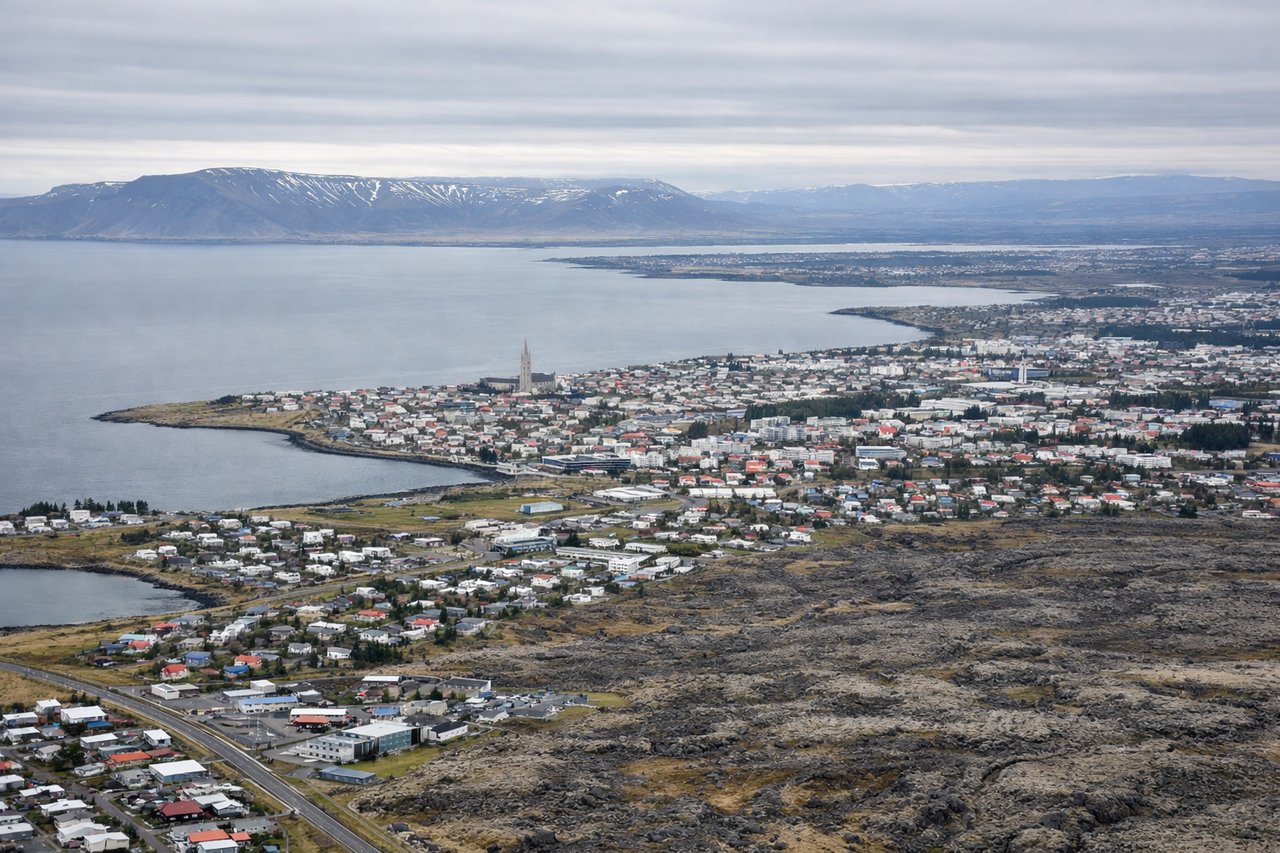 Left Side
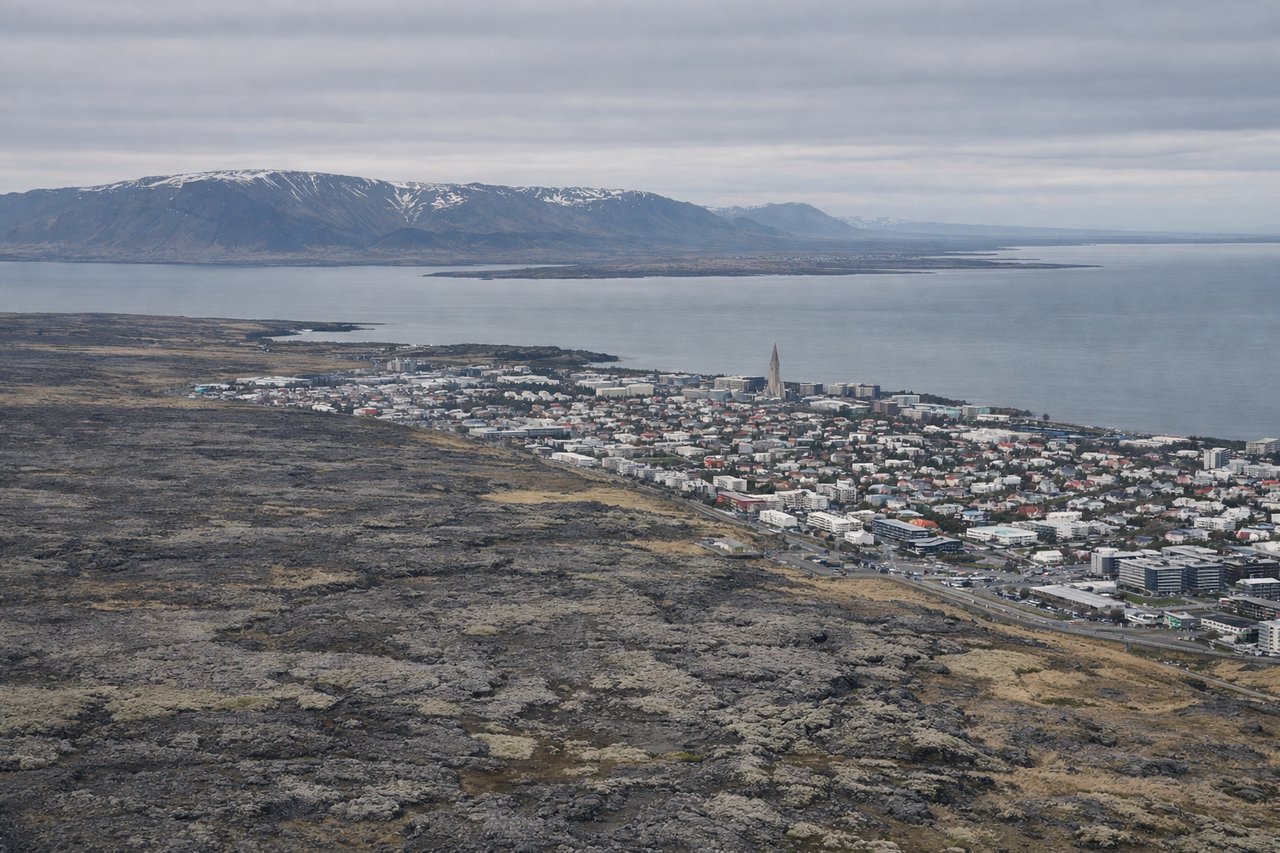 Right Side
Reykjavik Domestic Airport (RKV) sits just minutes from downtown and handles domestic flights and general aviation, distinct from Keflavik International Airport (KEF) which serves international traffic. It has a small single terminal with no jet bridges, typical of a regional airfield.
Landmarks on routes to ReykjavikAll landmarks →
Popular Routes to Reykjavik (RKV)
North America
Europe
Asia
About This Airport
Which side of the plane has the best views landing at Reykjavik (RKV)?
When landing at Reykjavik (RKV), sit on the Right side for the best views. Landing on Runway 31 means approaching from the north on a southbound heading. The right side offers views of Faxaflói Bay and the Reykjanes Peninsula's volcanic terrain, while the left side faces inland hills with less distinctive features during final approach. Notable sights include: Faxaflói Bay, Reykjanes Peninsula lava fields, Mount Esja (distant, north-facing slope), coastal settlement clusters.
What can I see when arriving at Reykjavik?
Arriving at Reykjavik in Reykjavik, passengers on the Right side enjoy views of Faxaflói Bay, Reykjanes Peninsula lava fields, Mount Esja (distant, north-facing slope), coastal settlement clusters. Landing on Runway 31 means approaching from the north on a southbound heading. The right side offers views of Faxaflói Bay and the Reykjanes Peninsula's volcanic terrain, while the left side faces inland hills with less distinctive features during final approach.
What factors affect the best window seat landing at Reykjavik?
The best window seat landing at Reykjavik (RKV) depends on several factors: the approach path and runway in use, geographic features around Reykjavik (mountains, coastlines, city skylines), weather conditions, and time of day. Morning and evening arrivals often offer the best lighting.