The right side delivers dramatic Cascade peaks on departure and a volcanic, geothermal Icelandic landscape on arrival, while the left side is dominated by open ocean and less distinctive terrain for most of the flight.
Flown SEA to RKV? Did we get it right?
Flight Path
Seattle to Reykjavik is 3,623 miles (5,830 km), a flight of about 7 hours 5 minutes.
Hudson Bay coastline, Baffin Island's rugged terrain, Davis Strait, and the edge of Greenland's ice sheet are visible along the great-circle route during cruise.
Great circle distance and headings ›


Phase by phase
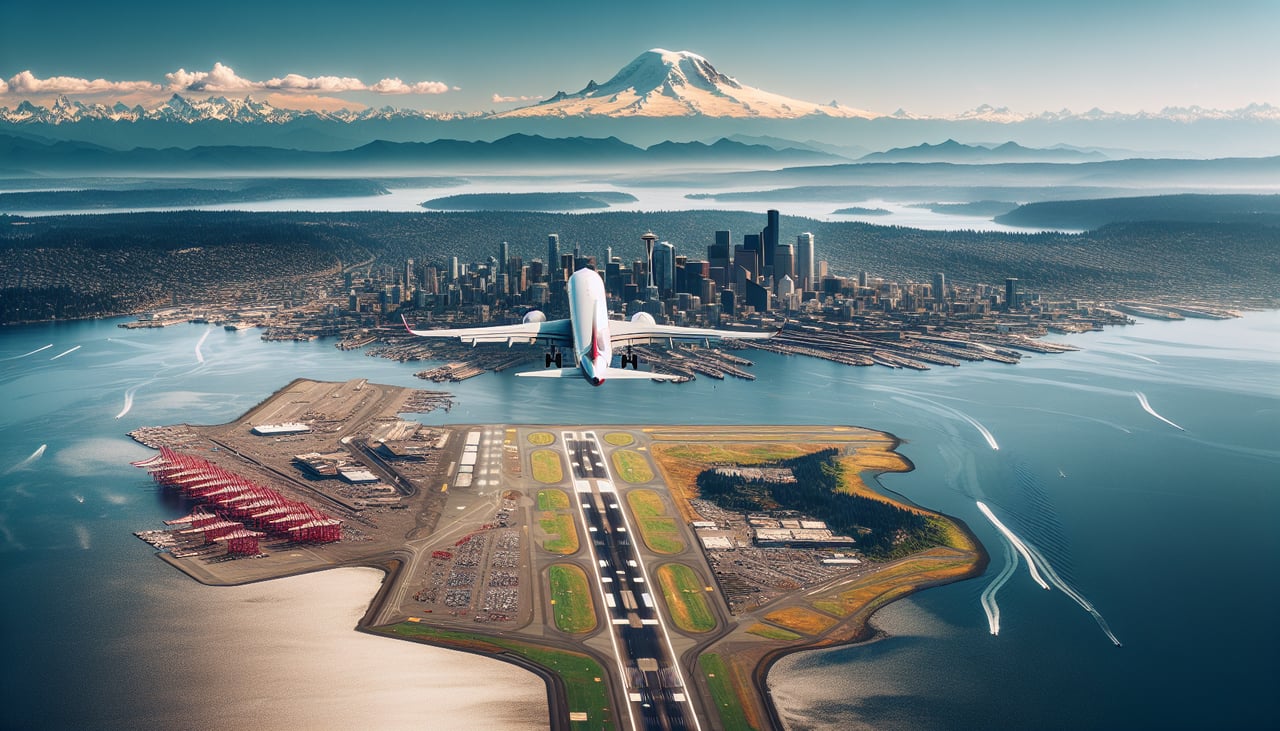
Takeoff from SEA
RIGHTDeparting SEA on the northbound runway, the right side faces east toward the Cascade Range, with Mount Rainier and Mount Baker's glaciated peaks rising above the foothills. The left side only shows Puget Sound and the lower, less distinctive Olympic Mountains.
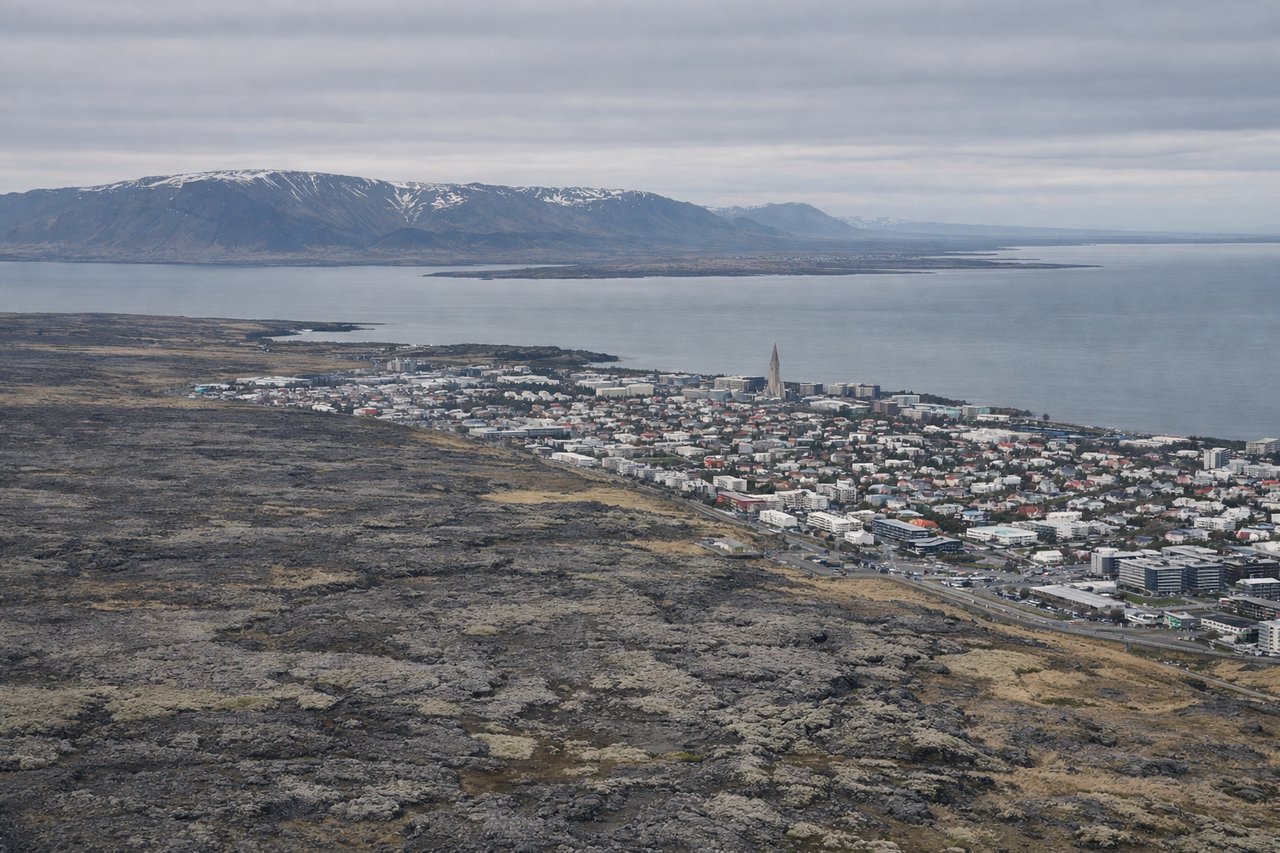
Landing at RKV
RIGHTOn approach to RKV, the aircraft typically turns over the Reykjanes Peninsula's volcanic lava fields and geothermal steam vents before lining up with the runway, a view best seen from the right side. The left side mostly shows open water of Faxafloi Bay.
Will your flight be in sunlight?
Pick a date and time in the Sun Map to watch the sun move across your whole flight.
About This Route
Which side of the plane should I sit on flying from Seattle Tacoma International (SEA) to Reykjavik (RKV)?
Sit on the Right side of the plane for the best views on flights from Seattle to Reykjavik. The right side delivers dramatic Cascade peaks on departure and a volcanic, geothermal Icelandic landscape on arrival, while the left side is dominated by open ocean and less distinctive terrain for most of the flight.
What can I see during takeoff from Seattle Tacoma International in Seattle?
During takeoff from Seattle Tacoma International (SEA), sit on the Right side for the best views. Departing SEA on the northbound runway, the right side faces east toward the Cascade Range, with Mount Rainier and Mount Baker's glaciated peaks rising above the foothills. The left side only shows Puget Sound and the lower, less distinctive Olympic Mountains. Notable sights include: Mount Rainier, Mount Baker, Cascade foothills, Lake Washington.
What can I see when landing at Reykjavik in Reykjavik?
When landing at Reykjavik (RKV), sit on the Right side for the best views. On approach to RKV, the aircraft typically turns over the Reykjanes Peninsula's volcanic lava fields and geothermal steam vents before lining up with the runway, a view best seen from the right side. The left side mostly shows open water of Faxafloi Bay. Notable sights include: Reykjanes lava fields, geothermal steam plumes, Faxafloi Bay coastline, Reykjavik's colorful low-rise skyline.
How long is the flight from Seattle to Reykjavik?
The flight from Seattle Tacoma International (SEA) to Reykjavik (RKV) takes about 7 hours 5 minutes. The shortest flight path between them is 3,623 miles (5,830 km); winds and air traffic control usually add a few percent.
What does the Seattle to Reykjavik flight path pass over?
Hudson Bay coastline, Baffin Island's rugged terrain, Davis Strait, and the edge of Greenland's ice sheet are visible along the great-circle route during cruise.