Right side captures the most visually distinctive moments: Petronas Towers and Klang Valley at departure, plus the flight path crosses over Southeast Asia's major water bodies (Strait of Malacca, Andaman Sea, Bay of Bengal) which are more visible from the right during the initial 8-10 hours of flight heading northwest.
Flight Path
The flight path crosses the Strait of Malacca, then proceeds northwest over the Andaman Sea and Bay of Bengal. Around the 6-7 hour mark, you'll pass over southern India and the Indian subcontinent (visible from right side). Continuing northwest, the flight crosses the Arabian Sea and then the Middle East (Iran/Iraq region) around hour 9-10. The final 3-4 hours approach Iceland from the south, crossing the Atlantic with views of the Mid-Atlantic Ridge region and approaching the Reykjanes Peninsula from the southwest.
Great circle distance and headings ›


Phase by phase
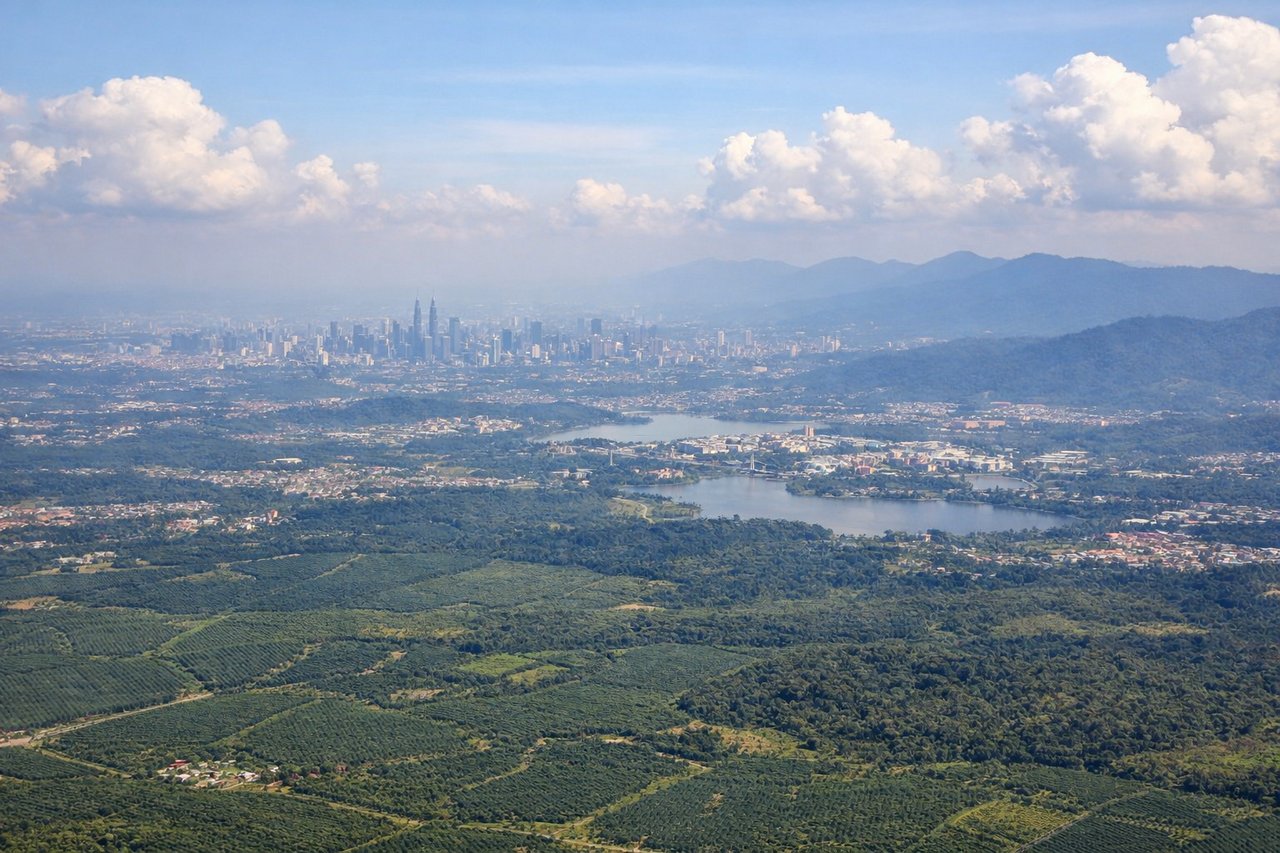
Takeoff from KUL
RIGHTKUL typically departs from runways 14L/14R or 32L/32R depending on wind. Right-side seats offer views of the Klang Valley and Petronas Twin Towers during initial climb, plus the Strait of Malacca to the west. Left side faces inland toward less distinctive terrain.
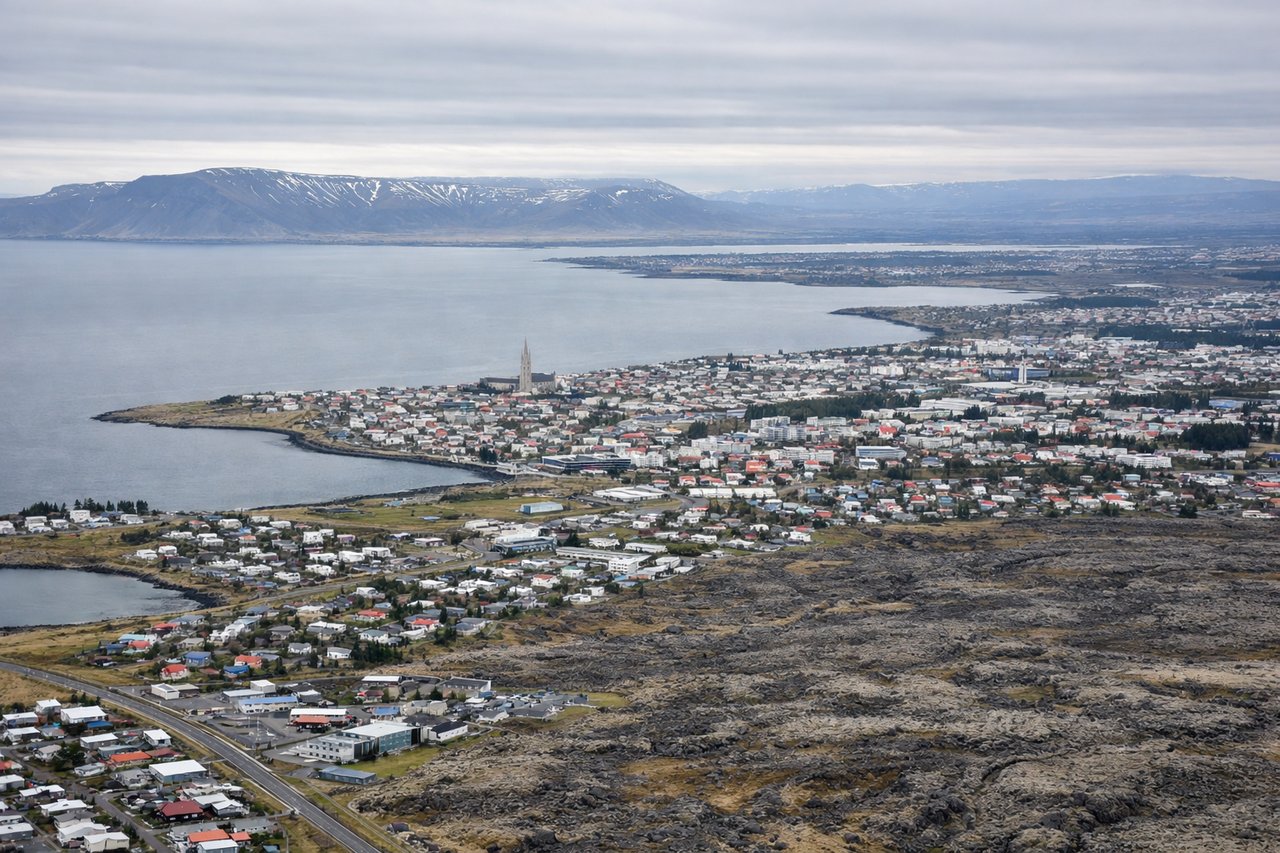
Landing at RKV
LEFTKeflavík International Airport (KEF) is located on the Reykjanes Peninsula, roughly 50 km southwest of Reykjavik. Approach typically comes from the southwest over the Atlantic. Left-side seats provide views of Iceland's dramatic volcanic landscape, geothermal areas, and the peninsula's distinctive lava fields. Right side faces open ocean.
Landmarks on this routeAll landmarks →
Will your flight be in sunlight?
See exactly which side of the plane gets sun and shade at your departure time.
About This Route
Which side of the plane should I sit on flying from Kuala Lumpur International (KUL) to Reykjavik (RKV)?
Sit on the Right side of the plane for the best views on flights from Kuala Lumpur to Reykjavik. Right side captures the most visually distinctive moments: Petronas Towers and Klang Valley at departure, plus the flight path crosses over Southeast Asia's major water bodies (Strait of Malacca, Andaman Sea, Bay of Bengal) which are more visible from the right during the initial 8-10 hours of flight heading northwest.
What can I see during takeoff from Kuala Lumpur International in Kuala Lumpur?
During takeoff from Kuala Lumpur International (KUL), sit on the Right side for the best views. KUL typically departs from runways 14L/14R or 32L/32R depending on wind. Right-side seats offer views of the Klang Valley and Petronas Twin Towers during initial climb, plus the Strait of Malacca to the west. Left side faces inland toward less distinctive terrain. Notable sights include: Petronas Twin Towers (Kuala Lumpur city center), Klang Valley urban sprawl, Strait of Malacca (western horizon), Selangor River delta.
What can I see when landing at Reykjavik in Reykjavik?
When landing at Reykjavik (RKV), sit on the Left side for the best views. Keflavík International Airport (KEF) is located on the Reykjanes Peninsula, roughly 50 km southwest of Reykjavik. Approach typically comes from the southwest over the Atlantic. Left-side seats provide views of Iceland's dramatic volcanic landscape, geothermal areas, and the peninsula's distinctive lava fields. Right side faces open ocean. Notable sights include: Reykjanes Peninsula lava fields (dark basalt terrain), Kleifarvatn lake, geothermal steam vents near Svartsengi, Atlantic coastline.
How long is the flight from Kuala Lumpur to Reykjavik?
The flight from Kuala Lumpur International (KUL) to Reykjavik (RKV) takes Approximately 13.5 to 14.5 hours.
What does the Kuala Lumpur to Reykjavik flight path pass over?
The flight path crosses the Strait of Malacca, then proceeds northwest over the Andaman Sea and Bay of Bengal. Around the 6-7 hour mark, you'll pass over southern India and the Indian subcontinent (visible from right side). Continuing northwest, the flight crosses the Arabian Sea and then the Middle East (Iran/Iraq region) around hour 9-10. The final 3-4 hours approach Iceland from the south, crossing the Atlantic with views of the Mid-Atlantic Ridge region and approaching the Reykjanes Peninsula from the southwest.