Right-side seats capture the more dramatic departure scenery over Malaysia's coastline and Strait of Malacca. While landing views favor the left, the takeoff advantage and the extended visibility over Southeast Asian geography make the right side the stronger overall choice for this route.
Flight Path
The flight path crosses the Indian Ocean, passing over or near the Maldives archipelago (visible as scattered atolls around 4°N, 73°E), then continues northwest across the Arabian Sea toward the Middle East. Depending on routing, the aircraft may pass over or near the Persian Gulf region, then across Iraq, Syria, Turkey, and southeastern Europe before reaching France. Notable midpoint landmarks include the Maldives atolls (if visible during daylight), the Zagros Mountains of Iran (distant, on the horizon), and the Taurus Mountains of southern Turkey during the European approach phase.
Great circle distance and headings ›
.jpeg?width=600)

.jpg?width=600)
Phase by phase
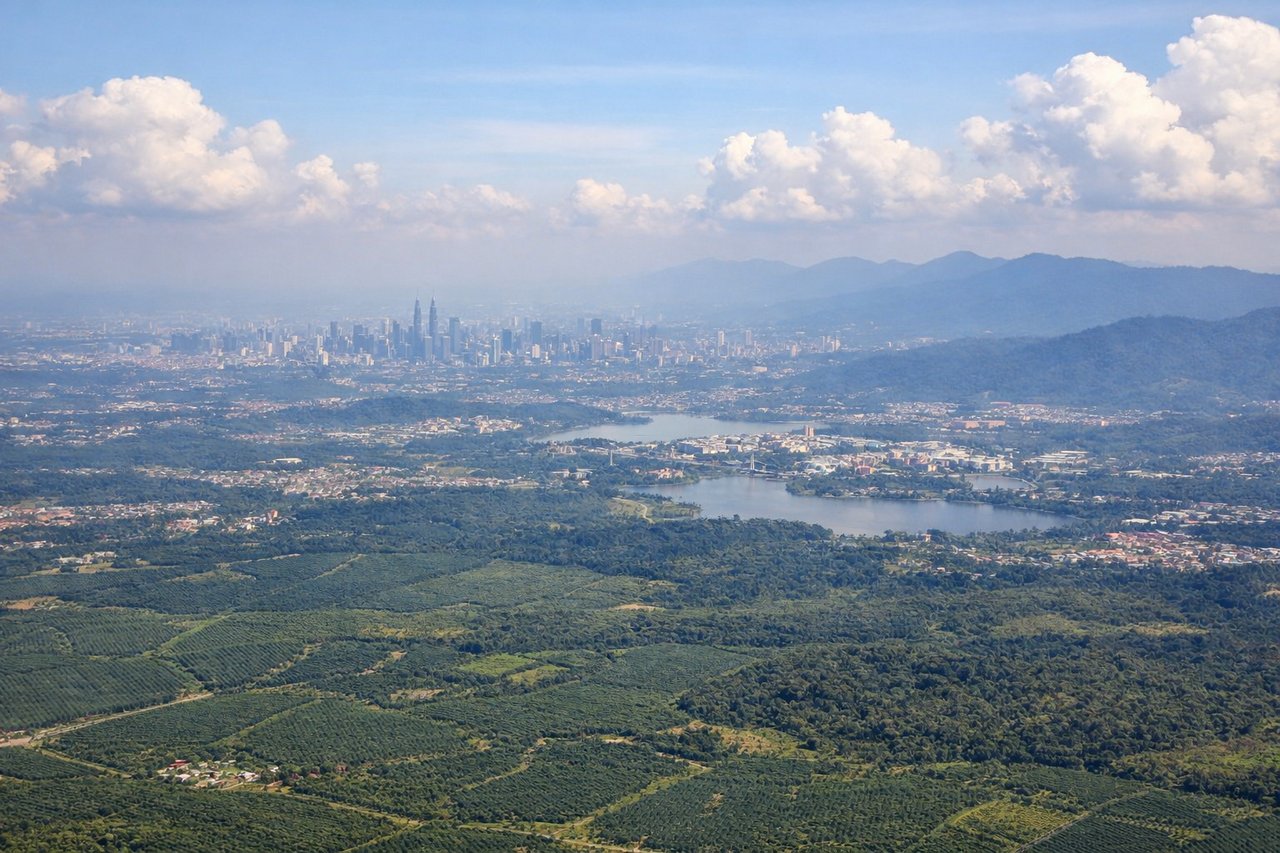
Takeoff from KUL
RIGHTRight-side seats offer views of the Klang Valley's urban sprawl and the Strait of Malacca as the aircraft climbs northwestward. The left side faces inland toward less distinctive terrain.
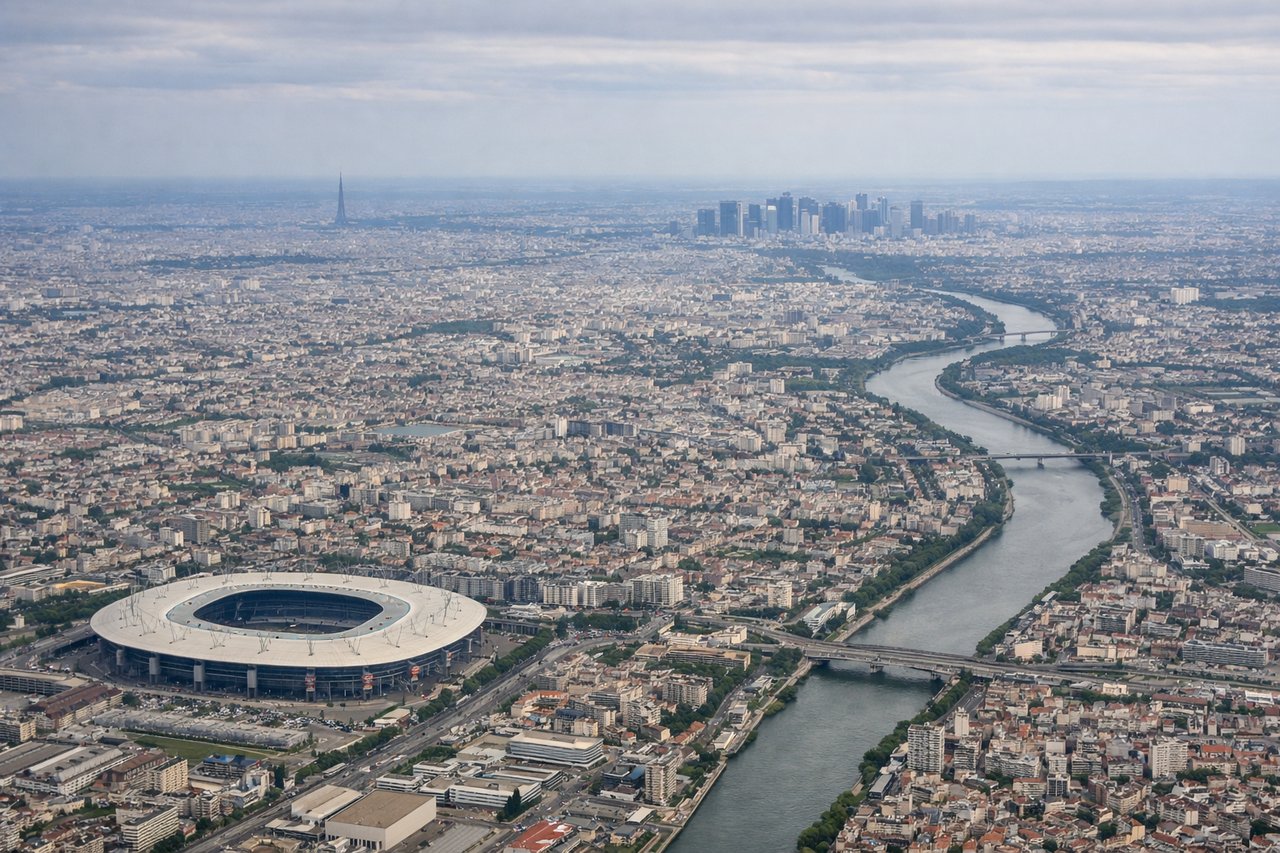
Landing at CDG
LEFTLeft-side seats provide views of the Seine River, Paris city landmarks, and the approach over the Île-de-France region. The aircraft descends from the northeast, making the left side ideal for viewing the city's geography and major monuments.
Landmarks on this routeAll landmarks →
Will your flight be in sunlight?
See exactly which side of the plane gets sun and shade at your departure time.
About This Route
Which side of the plane should I sit on flying from Kuala Lumpur International (KUL) to Charles De Gaulle (CDG)?
Sit on the Right side of the plane for the best views on flights from Kuala Lumpur to Paris. Right-side seats capture the more dramatic departure scenery over Malaysia's coastline and Strait of Malacca. While landing views favor the left, the takeoff advantage and the extended visibility over Southeast Asian geography make the right side the stronger overall choice for this route.
What can I see during takeoff from Kuala Lumpur International in Kuala Lumpur?
During takeoff from Kuala Lumpur International (KUL), sit on the Right side for the best views. Right-side seats offer views of the Klang Valley's urban sprawl and the Strait of Malacca as the aircraft climbs northwestward. The left side faces inland toward less distinctive terrain. Notable sights include: Klang Valley urban area, Strait of Malacca, Selangor coastline, Kuala Lumpur city center (receding).
What can I see when landing at Charles De Gaulle in Paris?
When landing at Charles De Gaulle (CDG), sit on the Left side for the best views. Left-side seats provide views of the Seine River, Paris city landmarks, and the approach over the Île-de-France region. The aircraft descends from the northeast, making the left side ideal for viewing the city's geography and major monuments. Notable sights include: Seine River and its meanders, Île-de-France agricultural plains, Paris urban area, Charles de Gaulle Airport runways.
How long is the flight from Kuala Lumpur to Paris?
The flight from Kuala Lumpur International (KUL) to Charles De Gaulle (CDG) takes Approximately 12.5 to 13.5 hours.
What does the Kuala Lumpur to Paris flight path pass over?
The flight path crosses the Indian Ocean, passing over or near the Maldives archipelago (visible as scattered atolls around 4°N, 73°E), then continues northwest across the Arabian Sea toward the Middle East. Depending on routing, the aircraft may pass over or near the Persian Gulf region, then across Iraq, Syria, Turkey, and southeastern Europe before reaching France. Notable midpoint landmarks include the Maldives atolls (if visible during daylight), the Zagros Mountains of Iran (distant, on the horizon), and the Taurus Mountains of southern Turkey during the European approach phase.