The right side wins at takeoff but the left side delivers the more dramatic payoff: the approach into Reykjavik with Esja, Faxaflói Bay, and the city laid out together is genuinely spectacular. The left side also tracks the Scottish Highlands and later the Westfjords of Iceland during cruise, making it the better seat for the full journey.
Flight Path
The route tracks northwest over the Scottish Highlands where Ben Nevis and the Cairngorms are visible on clear days, then crosses the North Atlantic. Around the midpoint you pass over or near the Faroe Islands, which appear as dramatic cliff-edged islands in the grey ocean. As Iceland approaches, the Westfjords peninsula appears first — deeply incised fjords cutting into dark basalt plateaus — followed by the Snæfellsnes Peninsula with its glacier-capped stratovolcano Snæfellsjökull visible to the north.
Great circle distance and headings ›.jpeg?width=600)

Phase by phase
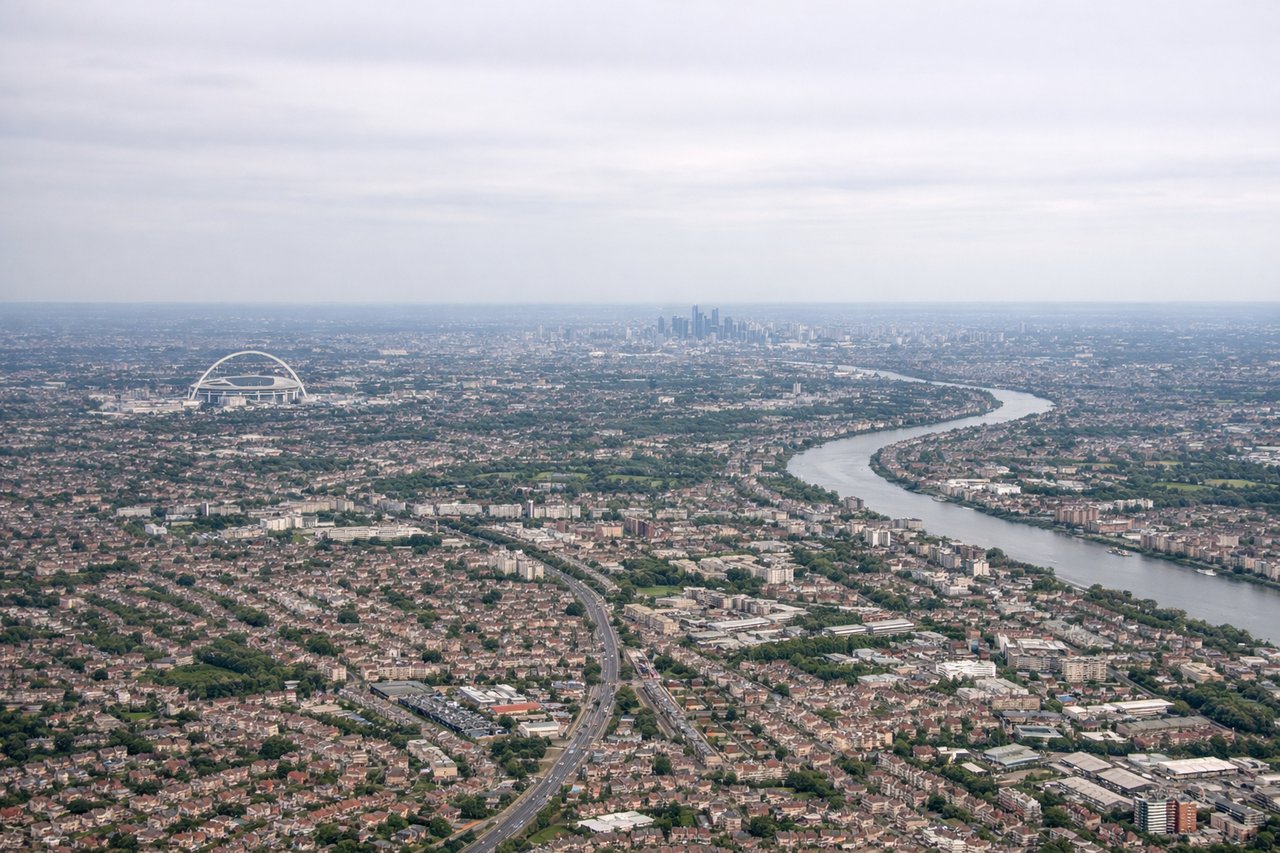
Takeoff from LHR
RIGHTHeathrow typically departs westbound on runways 27L/27R. A right-side seat gives you views south over Windsor Great Park, the Thames valley, and central London as the aircraft turns northwest. Left side faces away from the city toward Slough and Berkshire farmland.
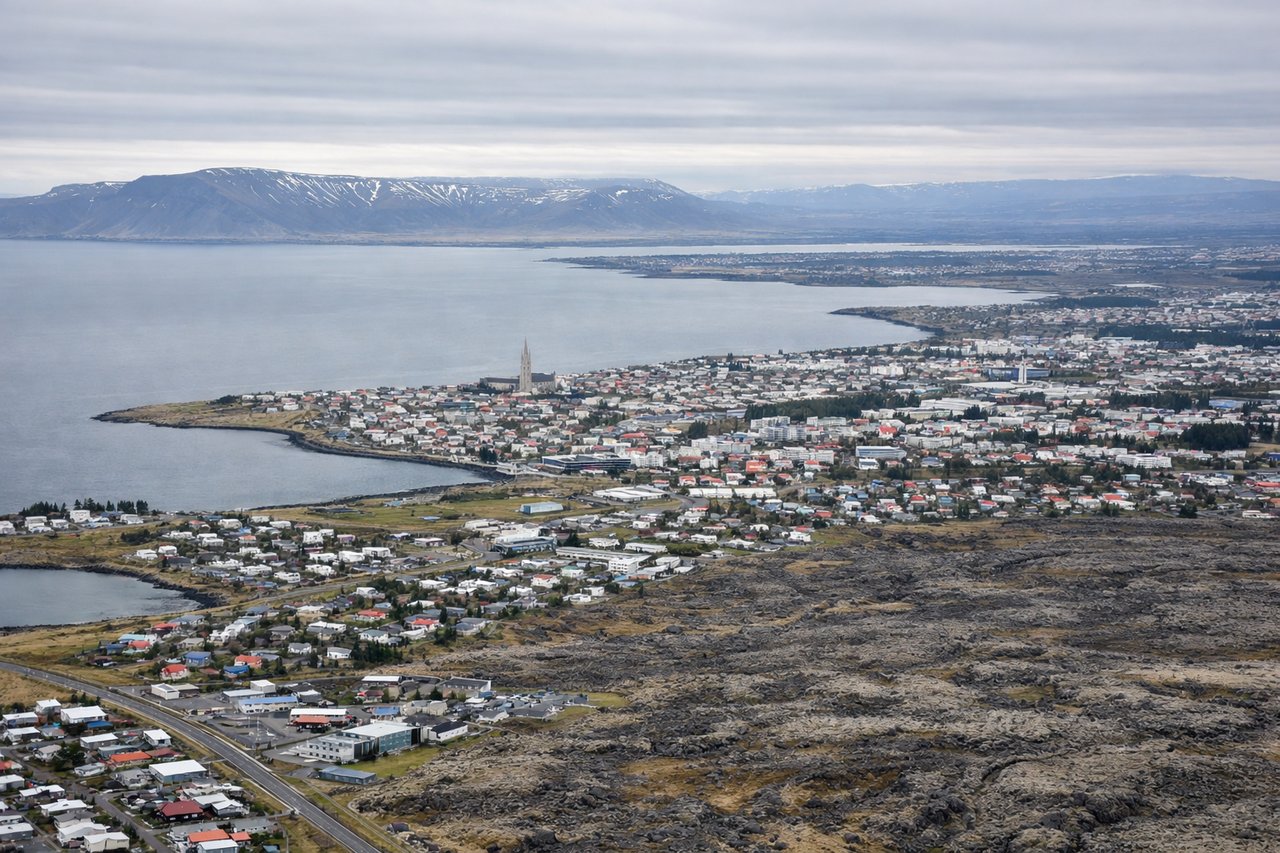
Landing at RKV
LEFTReykjavik domestic airport RKV sits on the western edge of the city. Aircraft typically approach from the northeast or east over the Reykjanes Peninsula. A left-side seat gives views over Reykjavik city, Faxaflói Bay, and Mount Esja across the fjord. Right side faces inland toward lava fields.
Landmarks on this routeAll landmarks →
Will your flight be in sunlight?
See exactly which side of the plane gets sun and shade at your departure time.
About This Route
Which side of the plane should I sit on flying from Heathrow (LHR) to Reykjavik (RKV)?
Sit on the Left side of the plane for the best views on flights from London to Reykjavik. The right side wins at takeoff but the left side delivers the more dramatic payoff: the approach into Reykjavik with Esja, Faxaflói Bay, and the city laid out together is genuinely spectacular. The left side also tracks the Scottish Highlands and later the Westfjords of Iceland during cruise, making it the better seat for the full journey.
What can I see during takeoff from Heathrow in London?
During takeoff from Heathrow (LHR), sit on the Right side for the best views. Heathrow typically departs westbound on runways 27L/27R. A right-side seat gives you views south over Windsor Great Park, the Thames valley, and central London as the aircraft turns northwest. Left side faces away from the city toward Slough and Berkshire farmland. Notable sights include: Windsor Castle and Great Park, the Thames snaking east toward London, the M25 orbital motorway, Wembley Stadium arch visible to the northeast.
What can I see when landing at Reykjavik in Reykjavik?
When landing at Reykjavik (RKV), sit on the Left side for the best views. Reykjavik domestic airport RKV sits on the western edge of the city. Aircraft typically approach from the northeast or east over the Reykjanes Peninsula. A left-side seat gives views over Reykjavik city, Faxaflói Bay, and Mount Esja across the fjord. Right side faces inland toward lava fields. Notable sights include: Mount Esja across Faxaflói Bay, Reykjavik city centre and harbour, Hallgrímskirkja church tower visible in the urban grid, Faxaflói Bay itself.
How long is the flight from London to Reykjavik?
The flight from Heathrow (LHR) to Reykjavik (RKV) takes Approximately 2 hours 45 minutes to 3 hours.
What does the London to Reykjavik flight path pass over?
The route tracks northwest over the Scottish Highlands where Ben Nevis and the Cairngorms are visible on clear days, then crosses the North Atlantic. Around the midpoint you pass over or near the Faroe Islands, which appear as dramatic cliff-edged islands in the grey ocean. As Iceland approaches, the Westfjords peninsula appears first — deeply incised fjords cutting into dark basalt plateaus — followed by the Snæfellsnes Peninsula with its glacier-capped stratovolcano Snæfellsjökull visible to the north.