While left wins at takeoff, right dominates the landing approach with the dramatic Río de la Plata estuary crossing—the most visually distinctive segment of this ultra-long-haul route. The landing view is more memorable and geographically significant than the Beijing departure.
Flight Path
This routing typically crosses central Asia (Tian Shan mountains visible if daylight), the Caspian Sea region, Middle Eastern deserts (Rub' al Khali if southern routing), then sub-Saharan Africa (Congo Basin, Kalahari, or East African highlands depending on exact flight path). The South Atlantic crossing dominates the final 8-10 hours with open ocean. Actual routing varies by winds and air traffic control; common stops include Doha, Abu Dhabi, or African hubs.
Great circle distance and headings ›

_(cropped).jpg?width=600)
Phase by phase
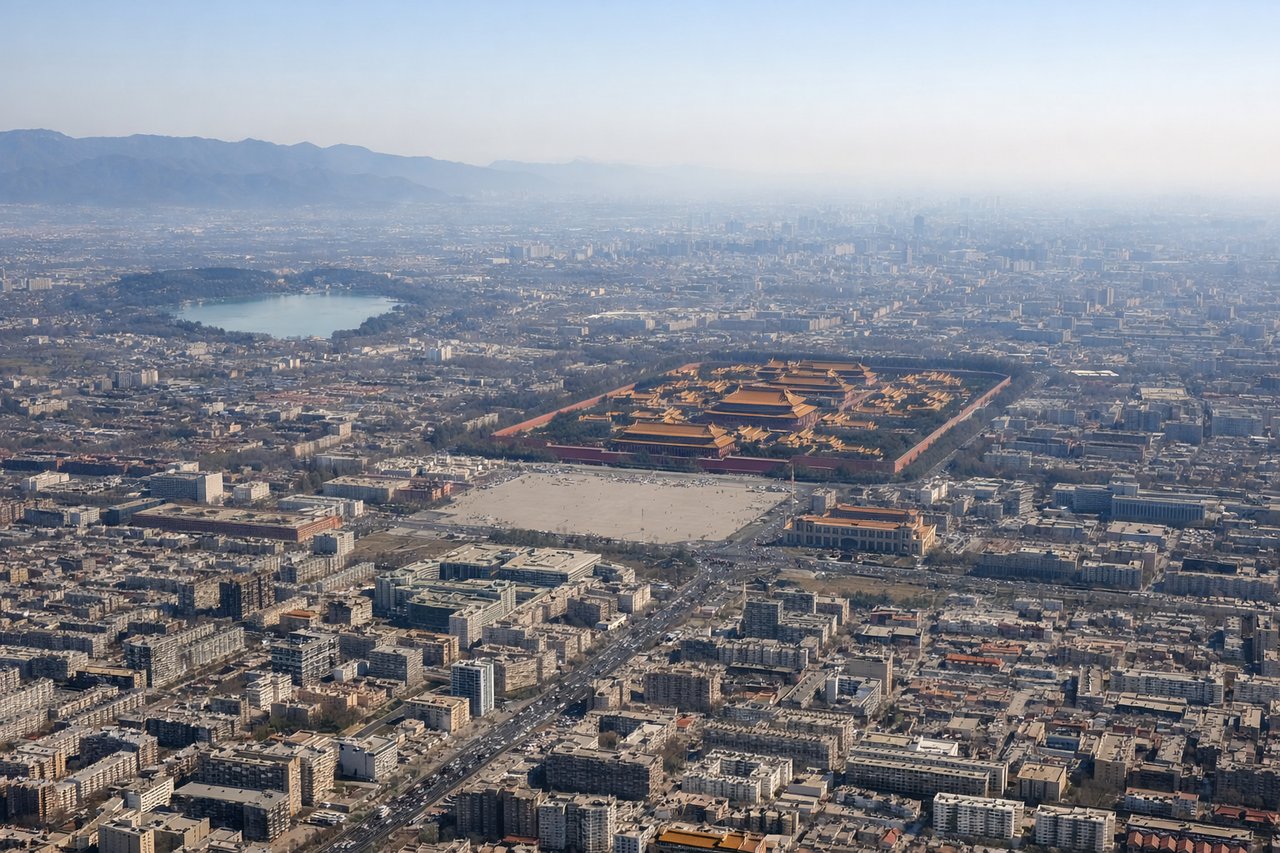
Takeoff from PEK
LEFTPEK typically departs northbound (runways 01L/01R) or eastbound (runways 16L/16R). Left seats offer views of the Ming Tombs and Yanqing District mountains during northbound climbs, or the North China Plain's agricultural grid during eastbound departures. Right seats face industrial zones and urban sprawl.
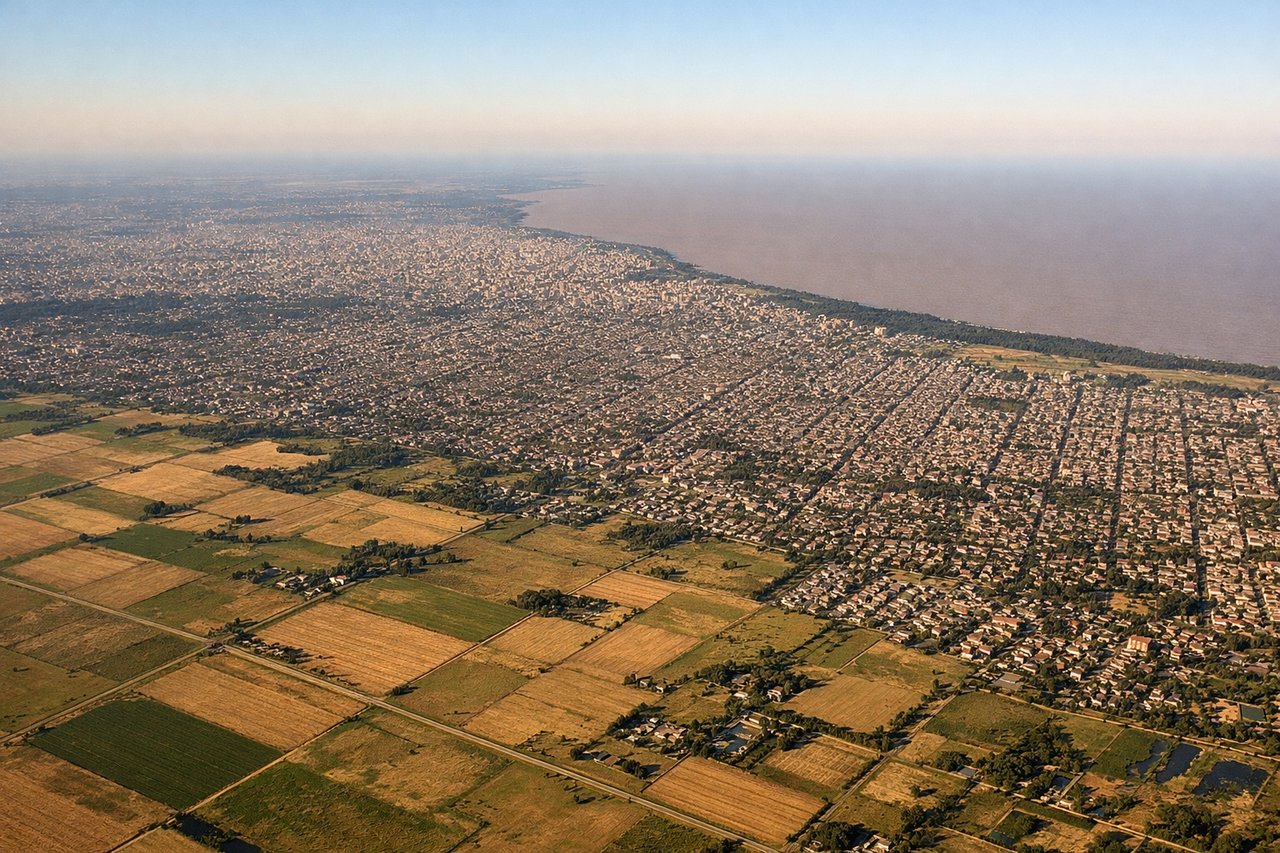
Landing at EZE
RIGHTEZE approaches from the east over the Río de la Plata estuary (runways 09/27). Right seats provide unobstructed views of the wide muddy estuary, the Paraná River delta's intricate waterway network, and the approach over water before landing. Left seats face the city and lose the water approach entirely.
Landmarks on this routeAll landmarks →
Will your flight be in sunlight?
See exactly which side of the plane gets sun and shade at your departure time.
About This Route
Which side of the plane should I sit on flying from Capital (PEK) to Ezeiza Ministro Pistarini (EZE)?
Sit on the Right side of the plane for the best views on flights from Beijing to Buenos Aires. While left wins at takeoff, right dominates the landing approach with the dramatic Río de la Plata estuary crossing—the most visually distinctive segment of this ultra-long-haul route. The landing view is more memorable and geographically significant than the Beijing departure.
What can I see during takeoff from Capital in Beijing?
During takeoff from Capital (PEK), sit on the Left side for the best views. PEK typically departs northbound (runways 01L/01R) or eastbound (runways 16L/16R). Left seats offer views of the Ming Tombs and Yanqing District mountains during northbound climbs, or the North China Plain's agricultural grid during eastbound departures. Right seats face industrial zones and urban sprawl. Notable sights include: Ming Tombs (Changling mausoleum complex), Yanqing Mountains (western rim of Beijing basin), North China Plain agricultural fields, Juyongguan Gorge (if northbound routing).
What can I see when landing at Ezeiza Ministro Pistarini in Buenos Aires?
When landing at Ezeiza Ministro Pistarini (EZE), sit on the Right side for the best views. EZE approaches from the east over the Río de la Plata estuary (runways 09/27). Right seats provide unobstructed views of the wide muddy estuary, the Paraná River delta's intricate waterway network, and the approach over water before landing. Left seats face the city and lose the water approach entirely. Notable sights include: Río de la Plata estuary (wide, tan-colored water body), Paraná River delta (braided channels and islands), Buenos Aires urban grid (visible at lower altitudes), Punta Lara peninsula (eastern shore marker).
How long is the flight from Beijing to Buenos Aires?
The flight from Capital (PEK) to Ezeiza Ministro Pistarini (EZE) takes Approximately 23-24 hours (including one stop, typically in Middle East or Africa).
What does the Beijing to Buenos Aires flight path pass over?
This routing typically crosses central Asia (Tian Shan mountains visible if daylight), the Caspian Sea region, Middle Eastern deserts (Rub' al Khali if southern routing), then sub-Saharan Africa (Congo Basin, Kalahari, or East African highlands depending on exact flight path). The South Atlantic crossing dominates the final 8-10 hours with open ocean. Actual routing varies by winds and air traffic control; common stops include Doha, Abu Dhabi, or African hubs.