Left side wins at both ends of the flight. During the long cruise over Russia and Scandinavia the views are largely symmetric tundra and cloud, but the left side also gets slightly better angles on the Ural Mountains crossing and the Baltic coastline on descent. Left is the clear choice for the full journey.
Flight Path
The route tracks northwest over Mongolia and southern Siberia, crossing Lake Baikal (visible as a massive elongated dark body of water in clear conditions), then over the West Siberian Plain, the Ural Mountains (a low but distinct ridgeline marking the Europe-Asia boundary), across European Russia and the Baltic states, over the Gulf of Finland and southern Scandinavia, then descending across the North Sea into the Netherlands
Great circle distance and headings ›

Phase by phase
Takeoff from PEK
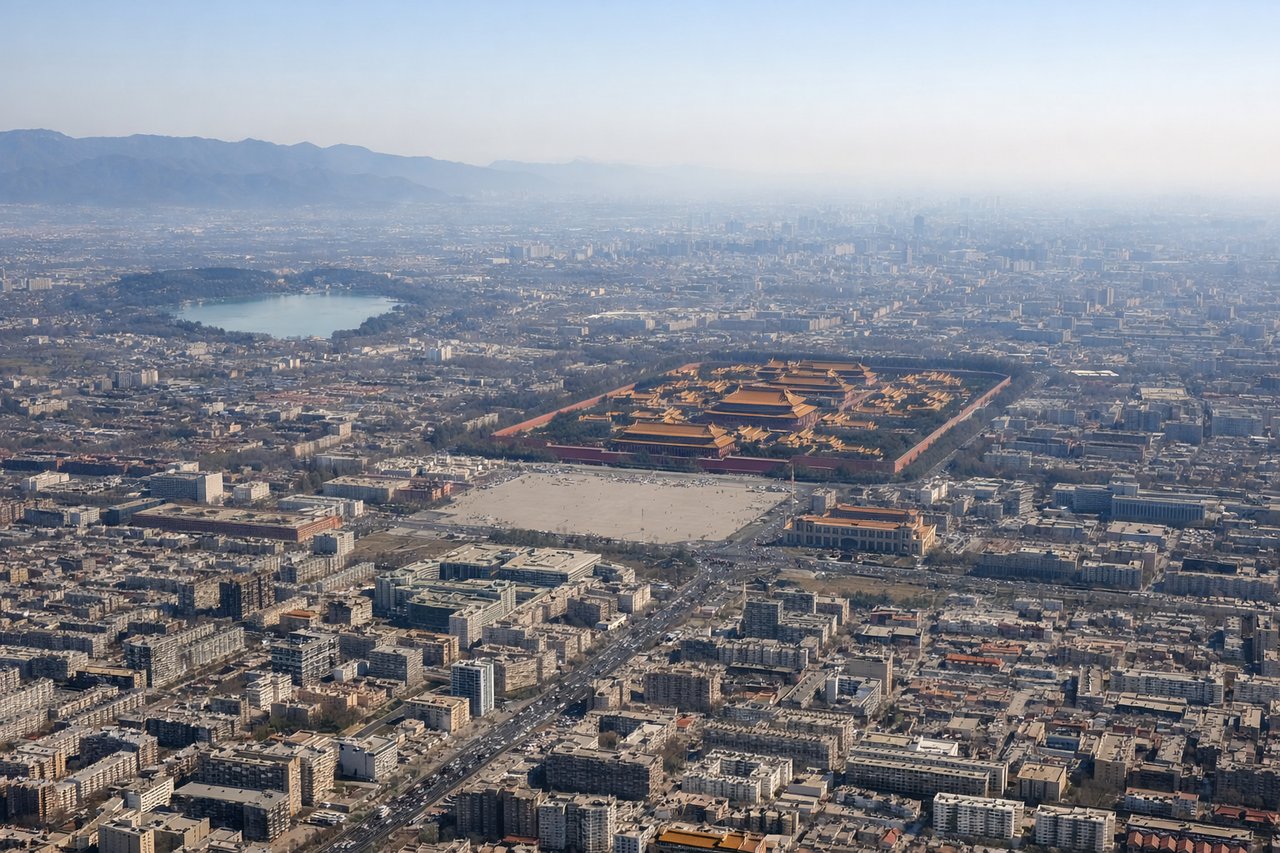
LEFTPEK typically departs westbound on runway 01/19 or 36/18. Climbing out heading northwest, the left (south) side gives you a clear view back over central Beijing — Tiananmen Square, the Forbidden City moat, and the grid of hutong districts are all legible from low altitude. The right side faces open suburban sprawl.
Landing at AMS
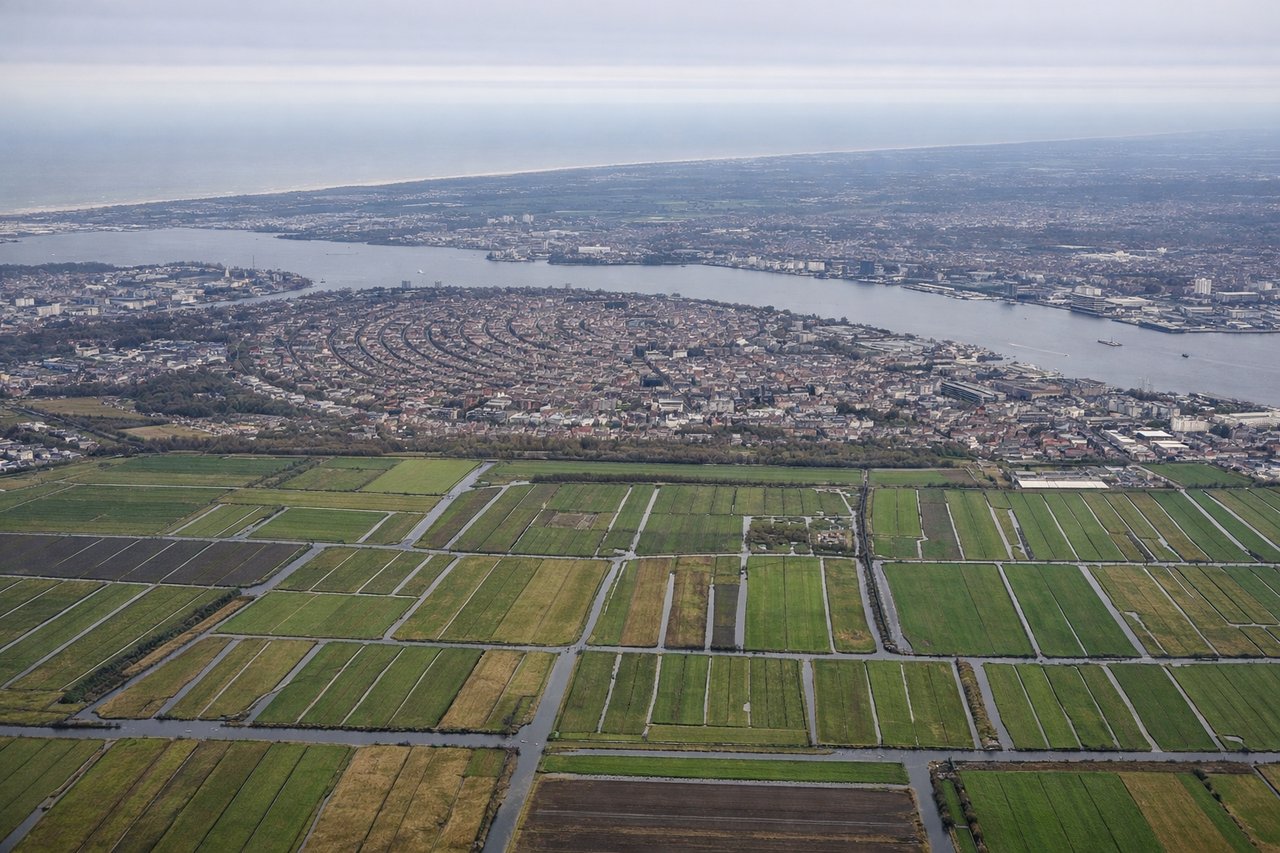
LEFTSchiphol's most common landing approach is from the east on runway 18R/36L or the Polderbaan, meaning the aircraft tracks westward over the Netherlands. The left (south) side gives you the clearest view of Amsterdam's canal ring, the IJ waterway, and the distinctive patchwork of Dutch polders. The right side faces open flat farmland with less to identify.
Landmarks on this routeAll landmarks →
Will your flight be in sunlight?
See exactly which side of the plane gets sun and shade at your departure time.
About This Route
Which side of the plane should I sit on flying from Capital (PEK) to Schiphol (AMS)?
Sit on the Left side of the plane for the best views on flights from Beijing to Amsterdam. Left side wins at both ends of the flight. During the long cruise over Russia and Scandinavia the views are largely symmetric tundra and cloud, but the left side also gets slightly better angles on the Ural Mountains crossing and the Baltic coastline on descent. Left is the clear choice for the full journey.
What can I see during takeoff from Capital in Beijing?
During takeoff from Capital (PEK), sit on the Left side for the best views. PEK typically departs westbound on runway 01/19 or 36/18. Climbing out heading northwest, the left (south) side gives you a clear view back over central Beijing — Tiananmen Square, the Forbidden City moat, and the grid of hutong districts are all legible from low altitude. The right side faces open suburban sprawl. Notable sights include: Forbidden City and Tiananmen Square, Summer Palace reservoir (Kunming Lake), Western Hills (Xishan range), Ming Tombs valley to the north.
What can I see when landing at Schiphol in Amsterdam?
When landing at Schiphol (AMS), sit on the Left side for the best views. Schiphol's most common landing approach is from the east on runway 18R/36L or the Polderbaan, meaning the aircraft tracks westward over the Netherlands. The left (south) side gives you the clearest view of Amsterdam's canal ring, the IJ waterway, and the distinctive patchwork of Dutch polders. The right side faces open flat farmland with less to identify. Notable sights include: Amsterdam canal ring and harbor, IJ lake and North Sea Canal, Keukenhof polder fields (spring), Rotterdam port infrastructure visible on the distant horizon.
How long is the flight from Beijing to Amsterdam?
The flight from Capital (PEK) to Schiphol (AMS) takes Approximately 9 to 10 hours.
What does the Beijing to Amsterdam flight path pass over?
The route tracks northwest over Mongolia and southern Siberia, crossing Lake Baikal (visible as a massive elongated dark body of water in clear conditions), then over the West Siberian Plain, the Ural Mountains (a low but distinct ridgeline marking the Europe-Asia boundary), across European Russia and the Baltic states, over the Gulf of Finland and southern Scandinavia, then descending across the North Sea into the Netherlands