Left side delivers the better views at both ends of the flight — the Philadelphia skyline on departure and the Tokyo metropolitan area plus Tokyo Bay on approach. The polar routing over Canada and the North Pacific offers limited differentiation between sides at cruise altitude, but the Left side wins on the landmark-rich departure and arrival phases.
Flight Path
The great circle route tracks northeast over New England and Nova Scotia, then across southern Labrador and the Hudson Strait, over the Aleutian Island chain in Alaska, across the North Pacific, and descends toward Japan over the Kuril Islands and the northeastern Japanese coast near Hokkaido before turning south toward Tokyo. At cruise altitude the Aleutian Islands and Hokkaido coastline are the most visually distinctive geographic features along the route.
Great circle distance and headings ›.jpeg?width=600)


Phase by phase
Takeoff from PHL
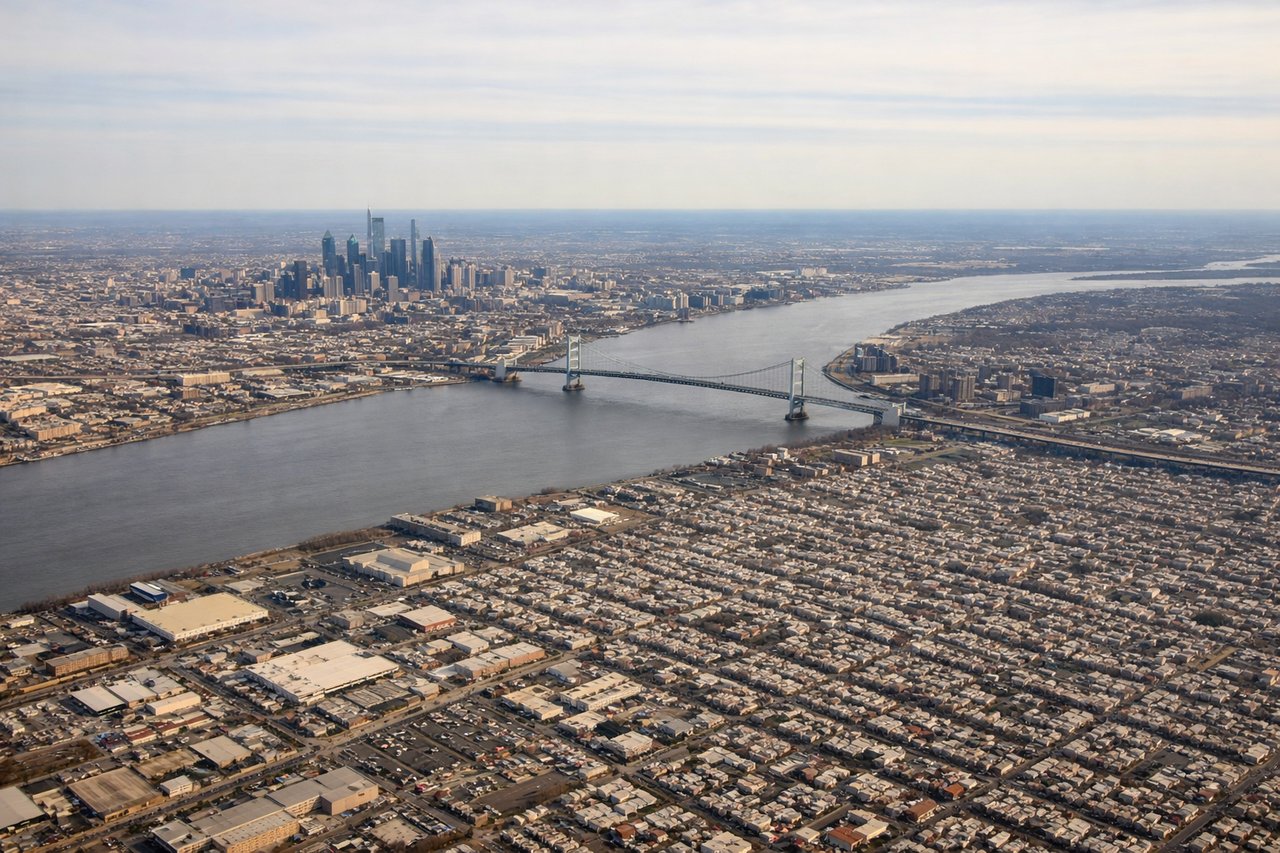
LEFTPHL's primary departure runways 27L/27R send aircraft westward before turning north, putting the Left side facing south toward Center City Philadelphia, the Delaware River, and the South Jersey flatlands. The Left side gets a clear look back at the Philadelphia skyline as the aircraft banks northeast toward the transatlantic routing.
Landing at HND
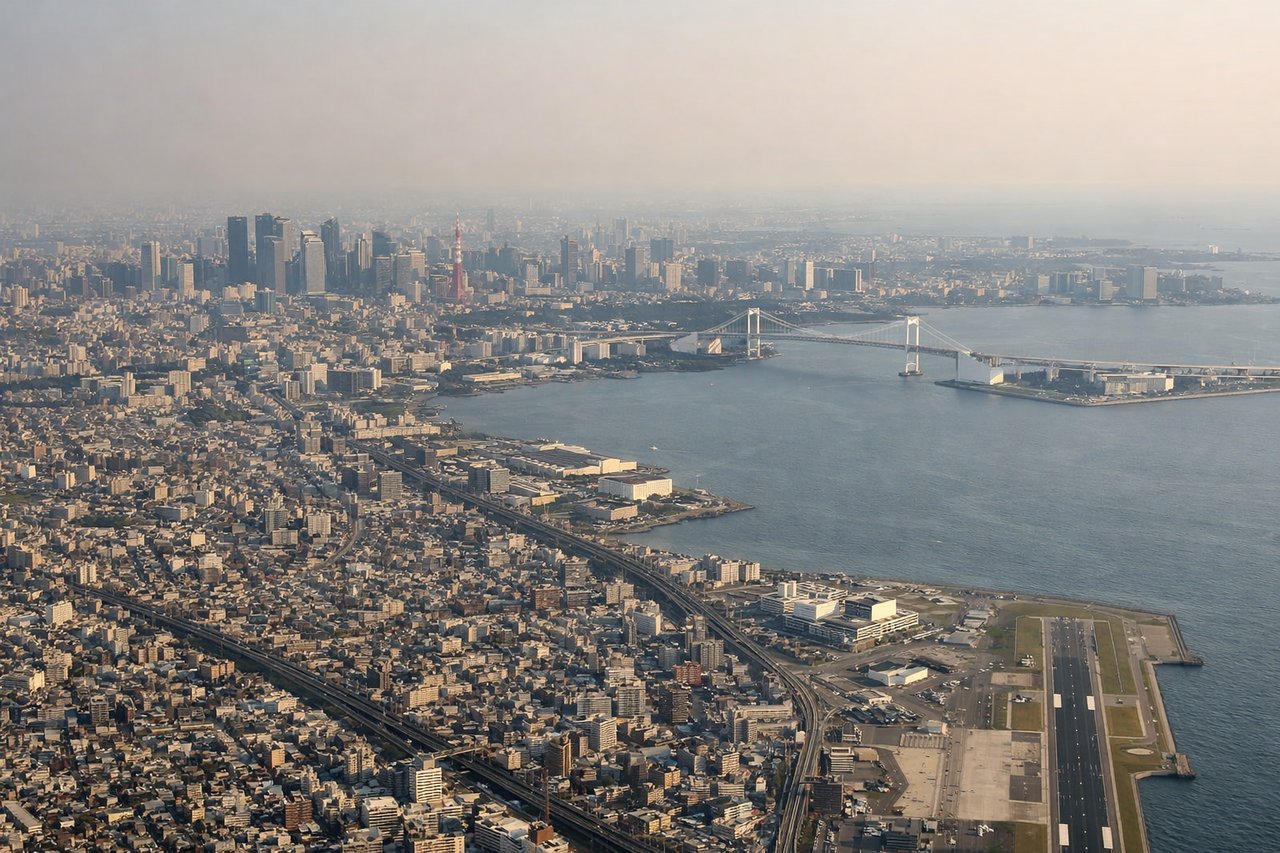
LEFTFlights from North America typically approach HND from the northeast, with aircraft descending over Tokyo Bay on the standard RJTT approach. Left-side seats face northwest toward the Tokyo metropolitan area, giving views of the dense urban grid of central Tokyo, the Imperial Palace grounds, and Mount Fuji on the western horizon on clear days.
Landmarks on this routeAll landmarks →
Will your flight be in sunlight?
See exactly which side of the plane gets sun and shade at your departure time.
About This Route
Which side of the plane should I sit on flying from Philadelphia International (PHL) to Tokyo International (HND)?
Sit on the Left side of the plane for the best views on flights from Philadelphia to Tokyo. Left side delivers the better views at both ends of the flight — the Philadelphia skyline on departure and the Tokyo metropolitan area plus Tokyo Bay on approach. The polar routing over Canada and the North Pacific offers limited differentiation between sides at cruise altitude, but the Left side wins on the landmark-rich departure and arrival phases.
What can I see during takeoff from Philadelphia International in Philadelphia?
During takeoff from Philadelphia International (PHL), sit on the Left side for the best views. PHL's primary departure runways 27L/27R send aircraft westward before turning north, putting the Left side facing south toward Center City Philadelphia, the Delaware River, and the South Jersey flatlands. The Left side gets a clear look back at the Philadelphia skyline as the aircraft banks northeast toward the transatlantic routing. Notable sights include: Center City Philadelphia skyline, Delaware River, Ben Franklin Bridge, Delaware Bay coastline.
What can I see when landing at Tokyo International in Tokyo?
When landing at Tokyo International (HND), sit on the Left side for the best views. Flights from North America typically approach HND from the northeast, with aircraft descending over Tokyo Bay on the standard RJTT approach. Left-side seats face northwest toward the Tokyo metropolitan area, giving views of the dense urban grid of central Tokyo, the Imperial Palace grounds, and Mount Fuji on the western horizon on clear days. Notable sights include: Tokyo Bay, central Tokyo urban grid, Imperial Palace grounds, Mount Fuji (on clear days to the west).
How long is the flight from Philadelphia to Tokyo?
The flight from Philadelphia International (PHL) to Tokyo International (HND) takes Approximately 14 to 15 hours.
What does the Philadelphia to Tokyo flight path pass over?
The great circle route tracks northeast over New England and Nova Scotia, then across southern Labrador and the Hudson Strait, over the Aleutian Island chain in Alaska, across the North Pacific, and descends toward Japan over the Kuril Islands and the northeastern Japanese coast near Hokkaido before turning south toward Tokyo. At cruise altitude the Aleutian Islands and Hokkaido coastline are the most visually distinctive geographic features along the route.