Right seats dominate the Tokyo departure with Mount Fuji and Tokyo Bay views. While left seats offer good Appalachian scenery on approach to Philadelphia, the Tokyo departure is more visually distinctive and reliable on clear days.
Flight Path
The flight path crosses the North Pacific, passing north of the Hawaiian Islands (typically 200+ miles north, not visible), then over the northern Pacific toward the Aleutian Islands region. The Aleutians themselves are rarely visible due to altitude and distance, but the flight crosses open ocean for most of the Pacific crossing. Over North America, the flight passes over western Canada and the northern United States, potentially offering views of the Rocky Mountains, Great Lakes region, and Appalachian Mountains during descent into Philadelphia, depending on exact routing and weather.
Great circle distance and headings ›

.jpeg?width=600)
Phase by phase
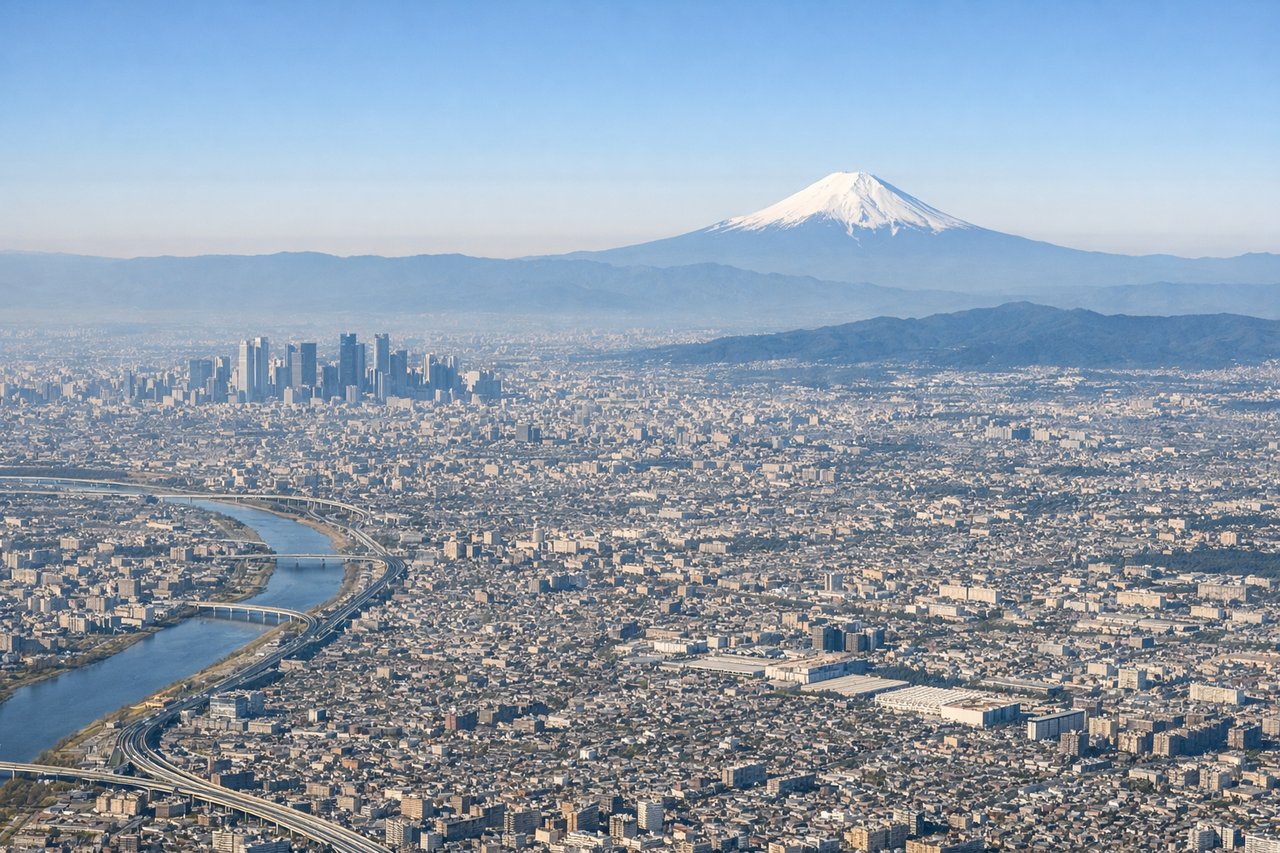
Takeoff from HND
RIGHTRight-side seats offer views of Tokyo Bay and the Kanto Plain as the aircraft climbs eastward from Haneda. You'll see the bay's distinctive shape, the urban sprawl of greater Tokyo, and eventually Mount Fuji on clear days.
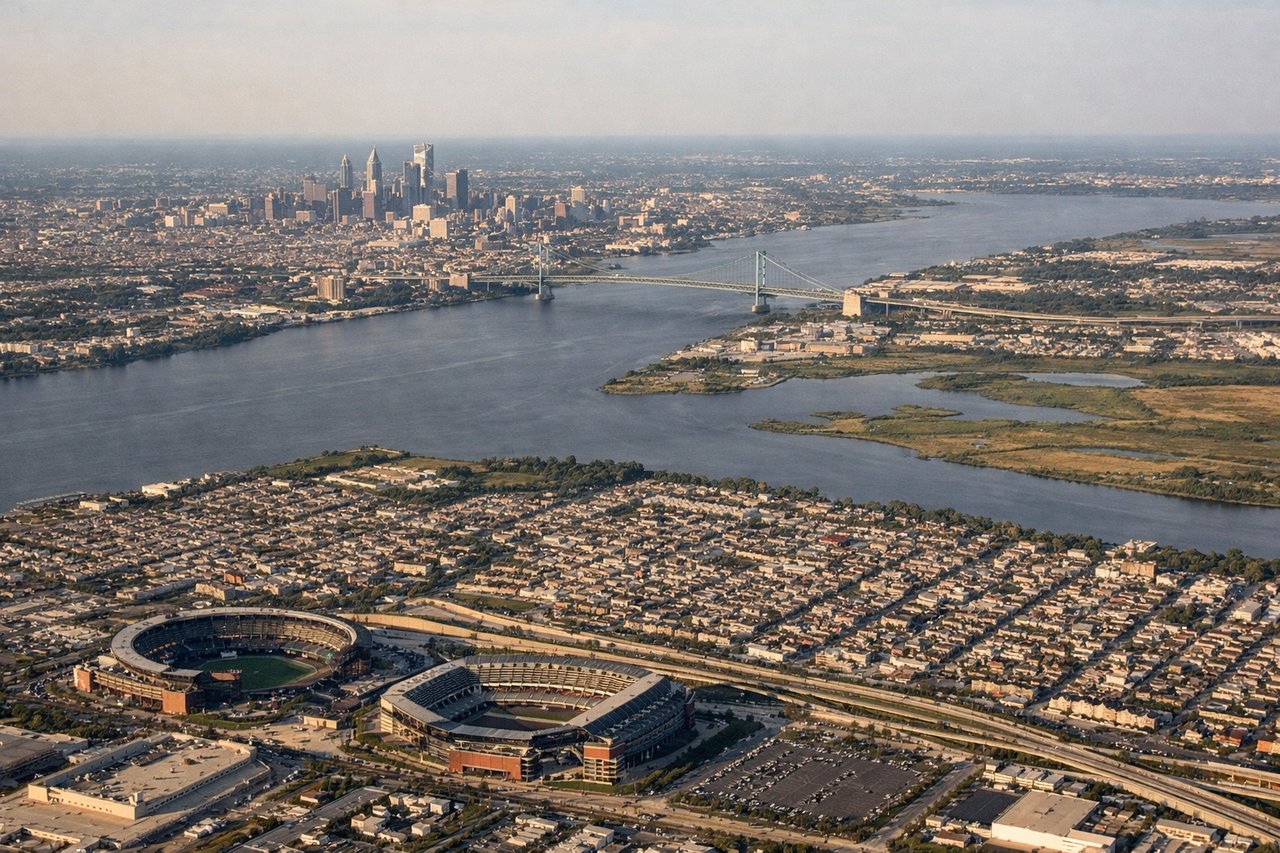
Landing at PHL
LEFTLeft-side seats provide views of the Appalachian Mountains and the Susquehanna River valley during descent into Philadelphia. The terrain transitions from forested ridges to the Delaware River and urban Philadelphia, offering strong geographic contrast.
Landmarks on this routeAll landmarks →
Will your flight be in sunlight?
See exactly which side of the plane gets sun and shade at your departure time.
About This Route
Which side of the plane should I sit on flying from Tokyo International (HND) to Philadelphia International (PHL)?
Sit on the Right side of the plane for the best views on flights from Tokyo to Philadelphia. Right seats dominate the Tokyo departure with Mount Fuji and Tokyo Bay views. While left seats offer good Appalachian scenery on approach to Philadelphia, the Tokyo departure is more visually distinctive and reliable on clear days.
What can I see during takeoff from Tokyo International in Tokyo?
During takeoff from Tokyo International (HND), sit on the Right side for the best views. Right-side seats offer views of Tokyo Bay and the Kanto Plain as the aircraft climbs eastward from Haneda. You'll see the bay's distinctive shape, the urban sprawl of greater Tokyo, and eventually Mount Fuji on clear days. Notable sights include: Tokyo Bay, Kanto Plain urban grid, Mount Fuji (Fuji-san) at ~80 km distance, Boso Peninsula.
What can I see when landing at Philadelphia International in Philadelphia?
When landing at Philadelphia International (PHL), sit on the Left side for the best views. Left-side seats provide views of the Appalachian Mountains and the Susquehanna River valley during descent into Philadelphia. The terrain transitions from forested ridges to the Delaware River and urban Philadelphia, offering strong geographic contrast. Notable sights include: Appalachian Mountains (Blue Ridge/Ridge and Valley province), Susquehanna River, Delaware River, Philadelphia urban core.
How long is the flight from Tokyo to Philadelphia?
The flight from Tokyo International (HND) to Philadelphia International (PHL) takes Approximately 11-12 hours.
What does the Tokyo to Philadelphia flight path pass over?
The flight path crosses the North Pacific, passing north of the Hawaiian Islands (typically 200+ miles north, not visible), then over the northern Pacific toward the Aleutian Islands region. The Aleutians themselves are rarely visible due to altitude and distance, but the flight crosses open ocean for most of the Pacific crossing. Over North America, the flight passes over western Canada and the northern United States, potentially offering views of the Rocky Mountains, Great Lakes region, and Appalachian Mountains during descent into Philadelphia, depending on exact routing and weather.