The right side wins overall because the Tokyo Bay departure is genuinely spectacular and hard to beat, and during the polar route over Russia and Siberia the right side also faces south, giving slightly better light angles during the long overland crossing. The London approach advantage on the left is real but shorter in duration.
Flight Path
The route tracks northwest over the Sea of Japan, crosses the Russian Far East and the vast Siberian taiga, passes over the Ural Mountains (a subtle low ridge visible in clear conditions), crosses into Scandinavia or northern Europe depending on the exact routing, then descends over the North Sea toward England. Siberian river systems including the Ob and Yenisei are visible as enormous frozen or braided waterways cutting through endless boreal forest. The Urals appear as a gentle corrugation on the horizon rather than dramatic peaks.
Great circle distance and headings ›

.jpeg?width=600)
Phase by phase
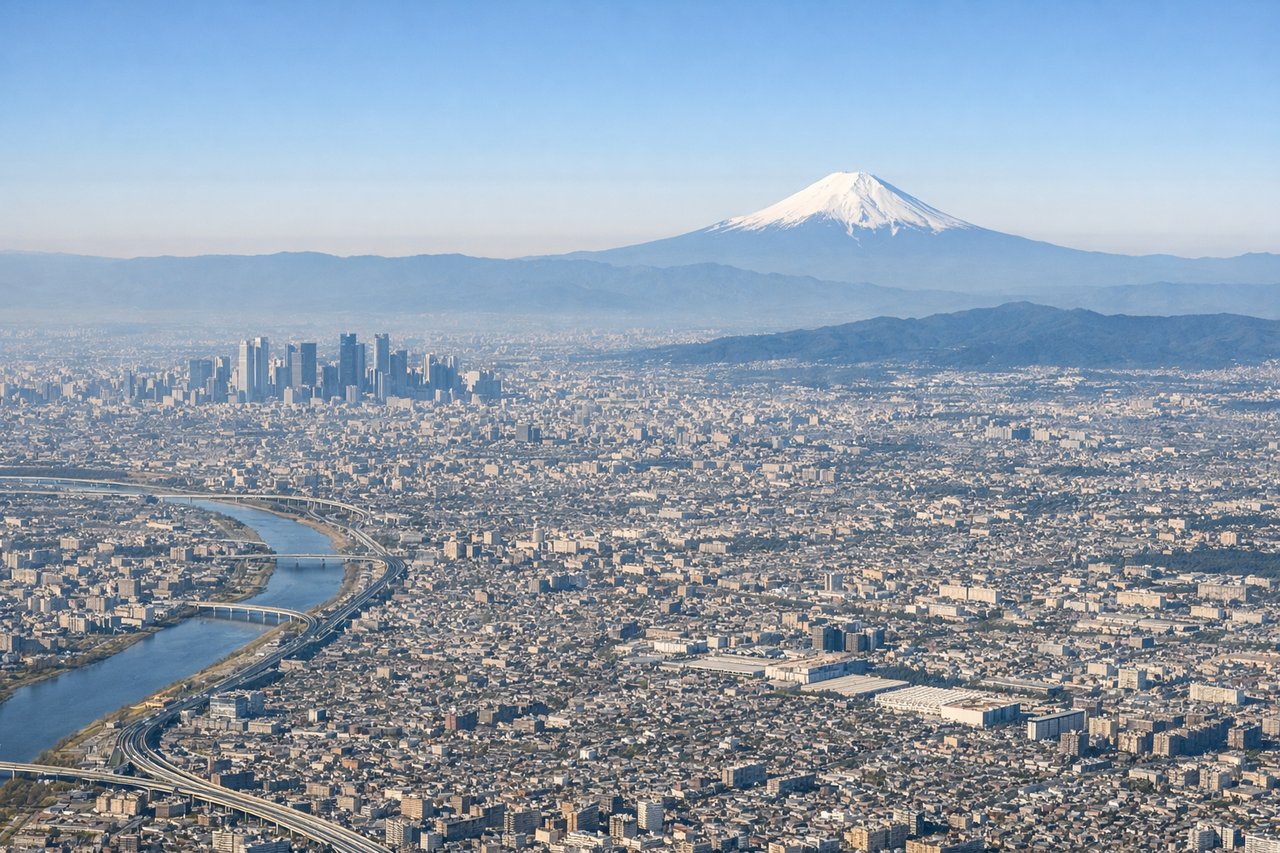
Takeoff from HND
RIGHTHND typically departs northward on Runway 34L/34R, so the right (east) side gives you Tokyo Bay and the dense urban grid of central Tokyo including Shibuya, Shinjuku, and the bay waterfront. The left side faces inland toward suburban sprawl with less visual interest.
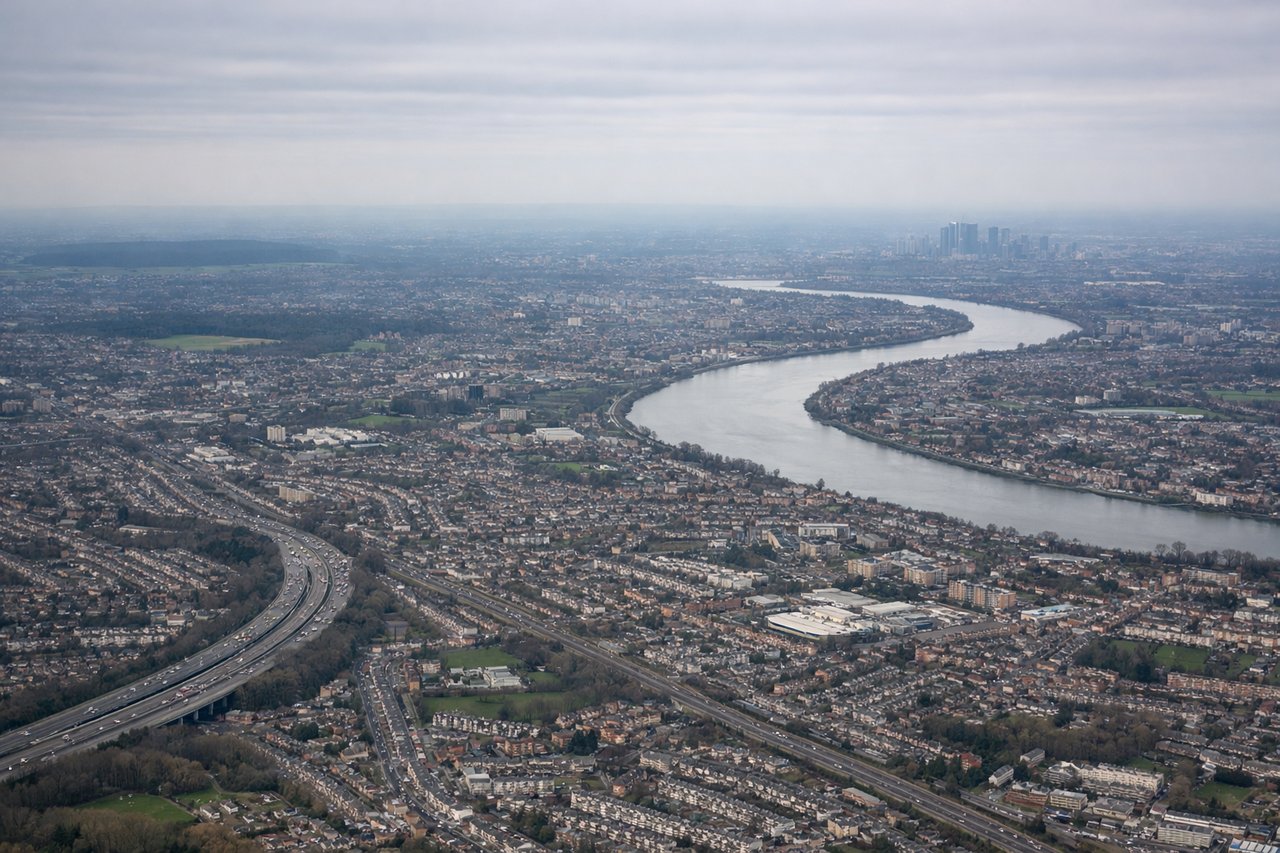
Landing at LHR
LEFTLHR typically lands westbound on Runway 27L/27R, meaning the approach comes from the east over London. The left (south) side gives you the Thames snaking through central London, with clear views of the City, Canary Wharf, and the river bends. The right side faces north toward suburban Middlesex with far less to see.
Landmarks on this routeAll landmarks →
Will your flight be in sunlight?
See exactly which side of the plane gets sun and shade at your departure time.
About This Route
Which side of the plane should I sit on flying from Tokyo International (HND) to Heathrow (LHR)?
Sit on the Right side of the plane for the best views on flights from Tokyo to London. The right side wins overall because the Tokyo Bay departure is genuinely spectacular and hard to beat, and during the polar route over Russia and Siberia the right side also faces south, giving slightly better light angles during the long overland crossing. The London approach advantage on the left is real but shorter in duration.
What can I see during takeoff from Tokyo International in Tokyo?
During takeoff from Tokyo International (HND), sit on the Right side for the best views. HND typically departs northward on Runway 34L/34R, so the right (east) side gives you Tokyo Bay and the dense urban grid of central Tokyo including Shibuya, Shinjuku, and the bay waterfront. The left side faces inland toward suburban sprawl with less visual interest. Notable sights include: Tokyo Bay, Rainbow Bridge and Odaiba waterfront, central Tokyo skyscraper clusters (Shinjuku/Shibuya), and the Yokohama waterfront to the south.
What can I see when landing at Heathrow in London?
When landing at Heathrow (LHR), sit on the Left side for the best views. LHR typically lands westbound on Runway 27L/27R, meaning the approach comes from the east over London. The left (south) side gives you the Thames snaking through central London, with clear views of the City, Canary Wharf, and the river bends. The right side faces north toward suburban Middlesex with far less to see. Notable sights include: River Thames and its distinctive meanders, Canary Wharf tower cluster, The City of London skyline, Windsor Castle and Windsor Great Park to the west on final approach.
How long is the flight from Tokyo to London?
The flight from Tokyo International (HND) to Heathrow (LHR) takes Approximately 12 to 13 hours westbound.
What does the Tokyo to London flight path pass over?
The route tracks northwest over the Sea of Japan, crosses the Russian Far East and the vast Siberian taiga, passes over the Ural Mountains (a subtle low ridge visible in clear conditions), crosses into Scandinavia or northern Europe depending on the exact routing, then descends over the North Sea toward England. Siberian river systems including the Ob and Yenisei are visible as enormous frozen or braided waterways cutting through endless boreal forest. The Urals appear as a gentle corrugation on the horizon rather than dramatic peaks.