The left side keeps a slight edge because it carries the Tokyo Bay departure and, during the long Pacific-to-Canada crossing, faces the direction of the Alaska Range, Yukon high country, and Hudson Bay lowlands, giving intermittent terrain interest across an otherwise ocean-dominated route. The right side is stronger only in the final minutes with the Manhattan skyline, but spends most of the 13-hour flight over featureless open water.
Flight Path
After leaving Japan's Pacific coast near Sendai, the route crosses the open North Pacific and Gulf of Alaska, passing within sight of the Alaska Range's snow-capped peaks near Anchorage, then continues over the wilderness of the Yukon and Northwest Territories, the southern shore of Hudson Bay, and the boreal forests of northern Quebec before descending toward the Atlantic coast and New York.
Great circle distance and headings ›

.jpeg?width=600)
.jpg?width=600)
Phase by phase
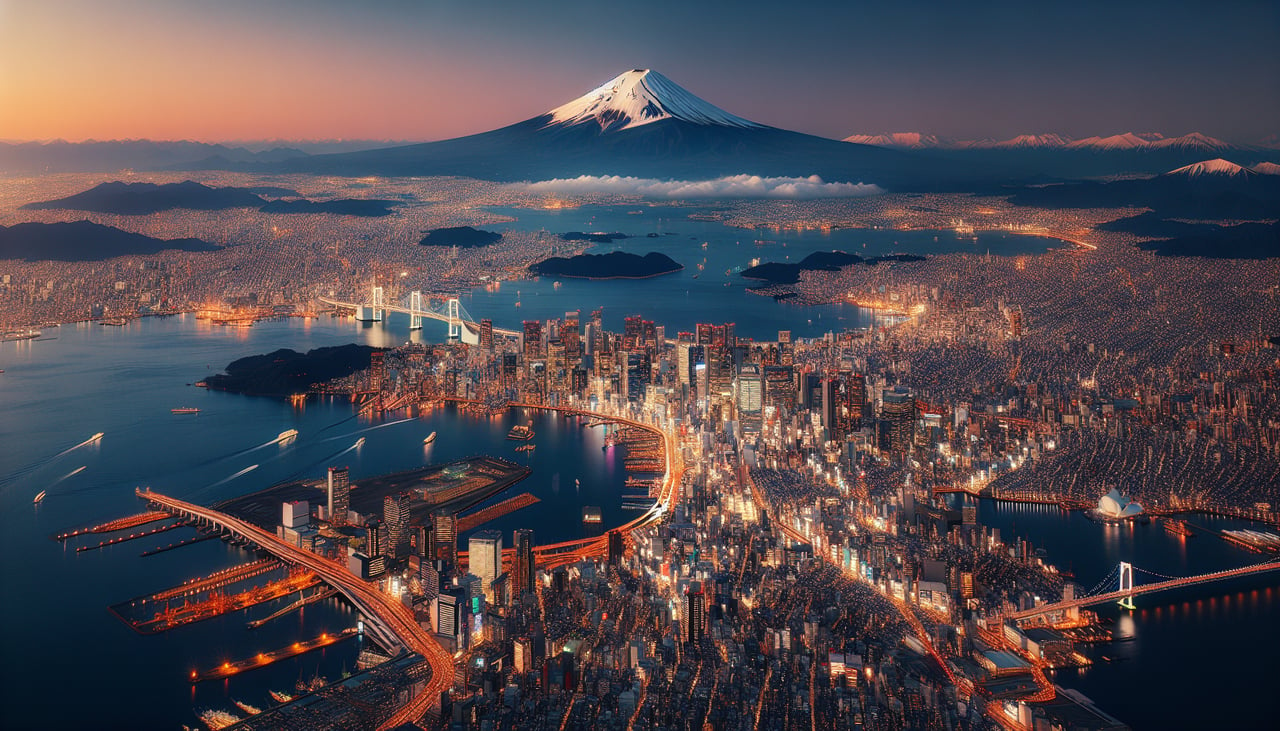
Takeoff from HND
LEFTDepartures from Haneda on the northeast-facing runway climb out directly over Tokyo Bay, keeping the city's waterfront and skyline in view on the left before the aircraft settles onto its track up the Pacific side of Honshu. The right side mostly just shows open bay water and haze toward the Boso Peninsula.
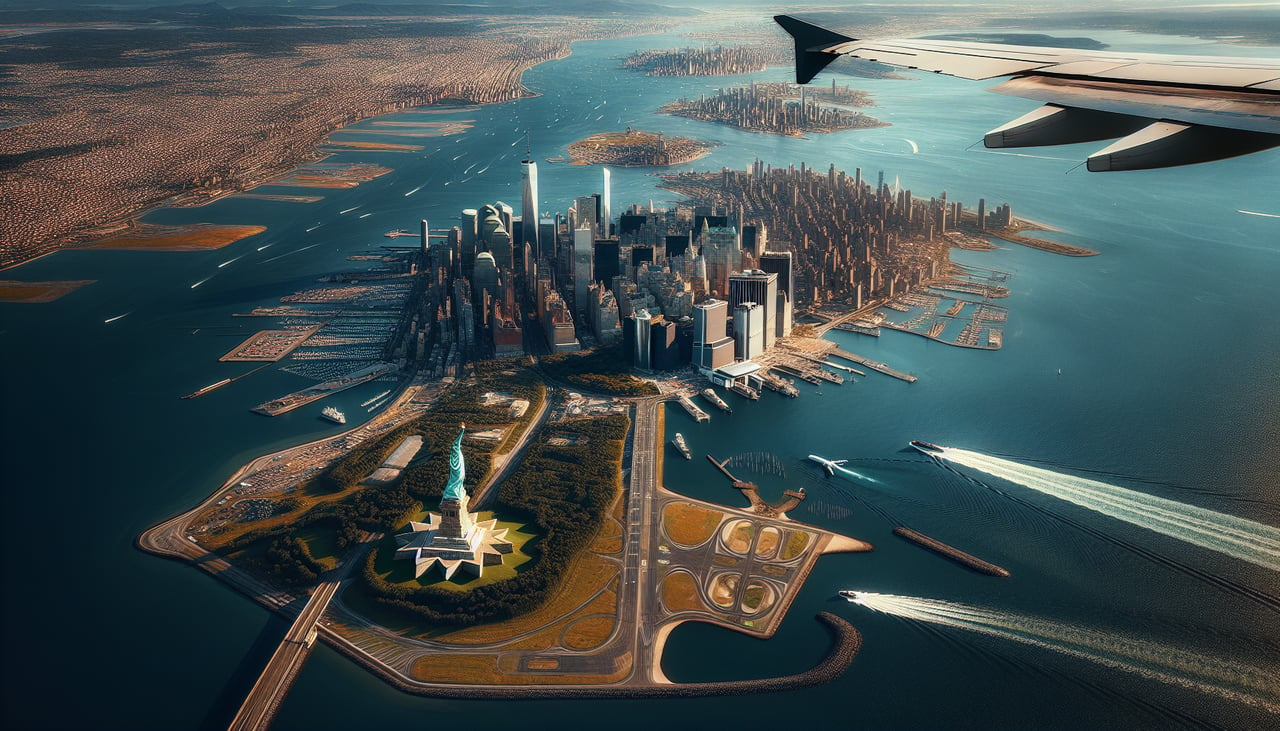
Landing at JFK
RIGHTOn the common northeast approach into JFK lining up for runways 22L/22R, the aircraft crosses Long Island Sound and Queens before turning onto final, putting Manhattan's skyline squarely in the right-side windows. The left side instead faces the flatter shoreline of Long Island and open water.
Landmarks on this routeAll landmarks →
Will your flight be in sunlight?
See exactly which side of the plane gets sun and shade at your departure time.
About This Route
Which side of the plane should I sit on flying from Tokyo International (HND) to John F Kennedy International (JFK)?
Sit on the Left side of the plane for the best views on flights from Tokyo to New York. The left side keeps a slight edge because it carries the Tokyo Bay departure and, during the long Pacific-to-Canada crossing, faces the direction of the Alaska Range, Yukon high country, and Hudson Bay lowlands, giving intermittent terrain interest across an otherwise ocean-dominated route. The right side is stronger only in the final minutes with the Manhattan skyline, but spends most of the 13-hour flight over featureless open water.
What can I see during takeoff from Tokyo International in Tokyo?
During takeoff from Tokyo International (HND), sit on the Left side for the best views. Departures from Haneda on the northeast-facing runway climb out directly over Tokyo Bay, keeping the city's waterfront and skyline in view on the left before the aircraft settles onto its track up the Pacific side of Honshu. The right side mostly just shows open bay water and haze toward the Boso Peninsula. Notable sights include: Tokyo Bay, Odaiba waterfront and Rainbow Bridge, Tokyo skyline (Tokyo Tower/Skytree), Boso Peninsula coastline.
What can I see when landing at John F Kennedy International in New York?
When landing at John F Kennedy International (JFK), sit on the Right side for the best views. On the common northeast approach into JFK lining up for runways 22L/22R, the aircraft crosses Long Island Sound and Queens before turning onto final, putting Manhattan's skyline squarely in the right-side windows. The left side instead faces the flatter shoreline of Long Island and open water. Notable sights include: Manhattan skyline, East River, Long Island Sound, Throgs Neck Bridge.
How long is the flight from Tokyo to New York?
The flight from Tokyo International (HND) to John F Kennedy International (JFK) takes 12h 55m.
What does the Tokyo to New York flight path pass over?
After leaving Japan's Pacific coast near Sendai, the route crosses the open North Pacific and Gulf of Alaska, passing within sight of the Alaska Range's snow-capped peaks near Anchorage, then continues over the wilderness of the Yukon and Northwest Territories, the southern shore of Hudson Bay, and the boreal forests of northern Quebec before descending toward the Atlantic coast and New York.