The left side combines the Manhattan skyline at departure with a chance to see Alaska's Denali and the Alaska Range along the northern cruise track, giving it more varied, named landmarks than the right side, which is stronger only during the Tokyo Bay landing.
Flight Path
Northern Quebec and Hudson Bay's coastline, the tundra of central Canada, the Alaska Range including Denali near Fairbanks, and the long open-water crossing of the Bering Sea and North Pacific before reaching Honshu's coastline near Tokyo.
Great circle distance and headings ›.jpg?width=600)
.jpeg?width=600)


Phase by phase
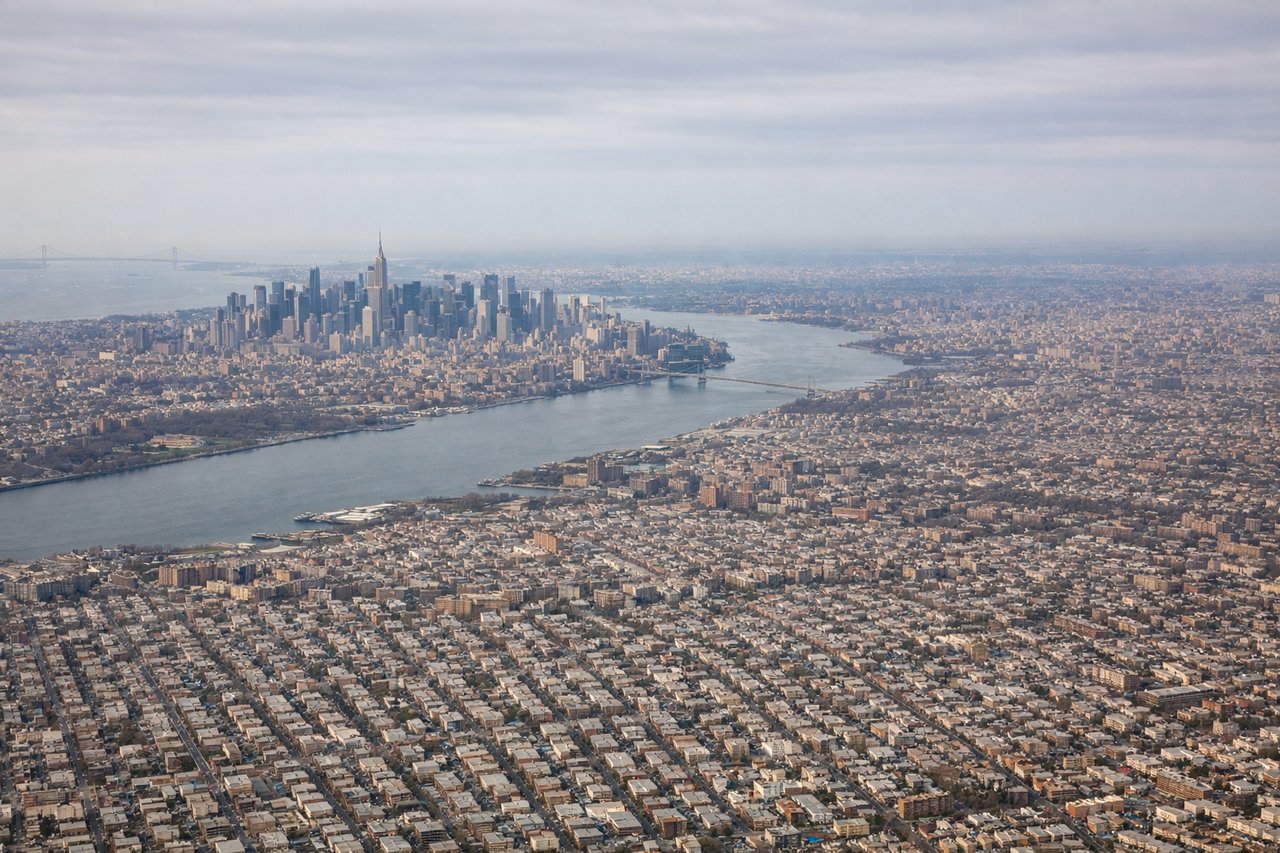
Takeoff from JFK
LEFTDepartures heading north toward Canada typically bank right after liftoff from JFK's 31L, swinging the Manhattan skyline and Hudson River into view on the left side before the aircraft settles onto its polar-ish track. The right side only shows the flatter Long Island Sound shoreline.
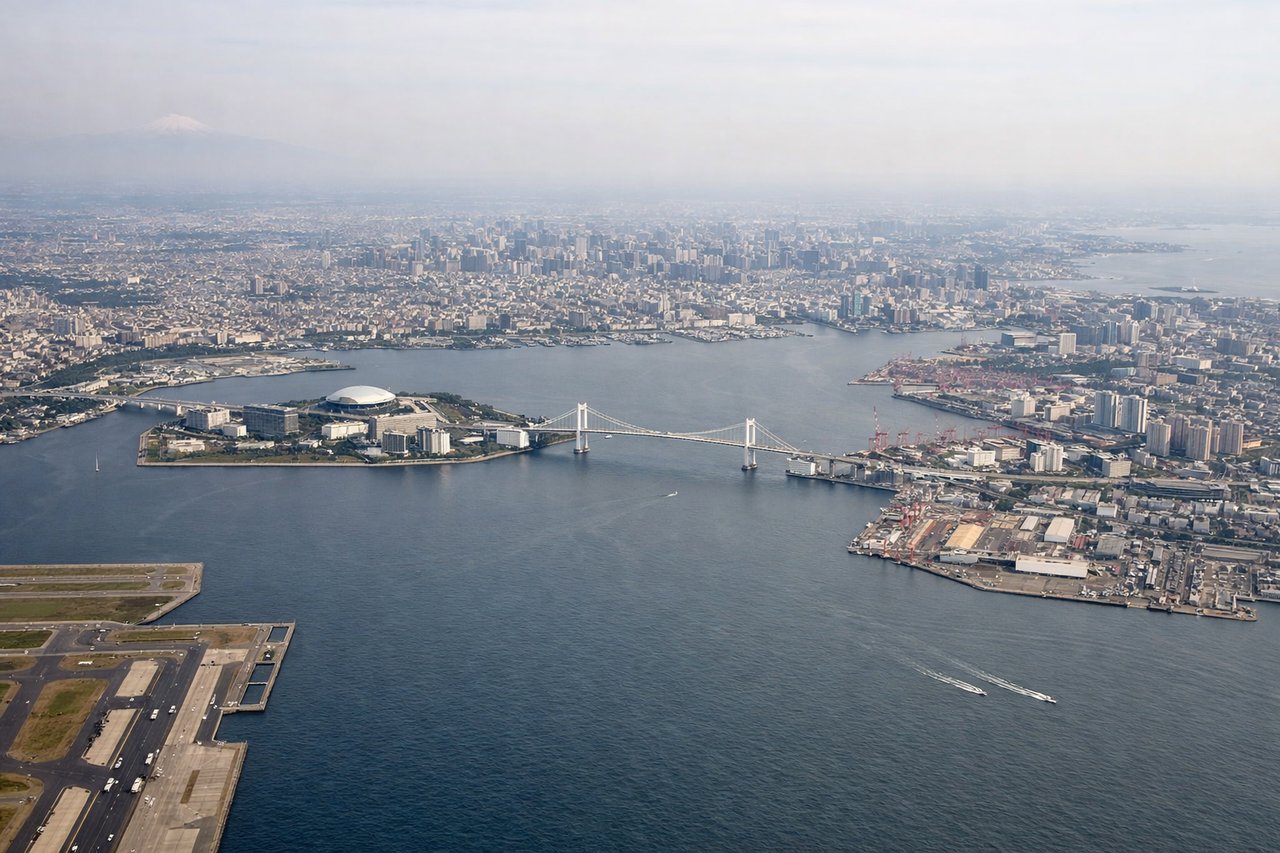
Landing at HND
RIGHTHaneda's typical south-wind arrival brings aircraft up over Tokyo Bay heading north, and since the runways sit on the bay's western shore, the city side of the bay - Rainbow Bridge, Odaiba, and the central Tokyo skyline - passes on the right. The left side mainly shows the more distant Yokohama waterfront and, on clear days, Mount Fuji far on the horizon.
Landmarks on this routeAll landmarks →
Will your flight be in sunlight?
See exactly which side of the plane gets sun and shade at your departure time.
About This Route
Which side of the plane should I sit on flying from John F Kennedy International (JFK) to Tokyo International (HND)?
Sit on the Left side of the plane for the best views on flights from New York to Tokyo. The left side combines the Manhattan skyline at departure with a chance to see Alaska's Denali and the Alaska Range along the northern cruise track, giving it more varied, named landmarks than the right side, which is stronger only during the Tokyo Bay landing.
What can I see during takeoff from John F Kennedy International in New York?
During takeoff from John F Kennedy International (JFK), sit on the Left side for the best views. Departures heading north toward Canada typically bank right after liftoff from JFK's 31L, swinging the Manhattan skyline and Hudson River into view on the left side before the aircraft settles onto its polar-ish track. The right side only shows the flatter Long Island Sound shoreline. Notable sights include: Manhattan skyline (One World Trade, Empire State), Hudson River, Long Island Sound coastline, Throggs Neck Bridge.
What can I see when landing at Tokyo International in Tokyo?
When landing at Tokyo International (HND), sit on the Right side for the best views. Haneda's typical south-wind arrival brings aircraft up over Tokyo Bay heading north, and since the runways sit on the bay's western shore, the city side of the bay - Rainbow Bridge, Odaiba, and the central Tokyo skyline - passes on the right. The left side mainly shows the more distant Yokohama waterfront and, on clear days, Mount Fuji far on the horizon. Notable sights include: Tokyo Bay, Rainbow Bridge, Odaiba reclaimed islands, central Tokyo skyline (Tokyo Tower/Skytree).
How long is the flight from New York to Tokyo?
The flight from John F Kennedy International (JFK) to Tokyo International (HND) takes 14h 15m.
What does the New York to Tokyo flight path pass over?
Northern Quebec and Hudson Bay's coastline, the tundra of central Canada, the Alaska Range including Denali near Fairbanks, and the long open-water crossing of the Bering Sea and North Pacific before reaching Honshu's coastline near Tokyo.