While takeoff offers coastal views on the right, the landing approach into São Paulo provides more dramatic and varied scenery with the Cantareira Mountains and extensive metropolitan landscape visible on the left. The landing experience outweighs the takeoff advantage.
Flight Path
The flight path crosses inland from Recife southwestward across northeastern Brazil's interior plateau. Notable features include the Borborema Plateau's elevated terrain, the São Francisco River valley (visible as a green corridor through semi-arid scrubland), and the transition from the humid coastal zone to the drier sertão region. As the aircraft approaches São Paulo, the landscape becomes increasingly urbanized with scattered towns and agricultural areas giving way to the massive metropolitan conurbation.
Great circle distance and headings ›Phase by phase
Takeoff from REC
RIGHTRight-side seats offer views of the Capibaribe River estuary and Recife's coastal urban sprawl as the aircraft climbs northeastward over the Atlantic before banking southwest toward São Paulo. The city's beachfront neighborhoods and port infrastructure are clearly visible during initial climb.
Landing at GRU
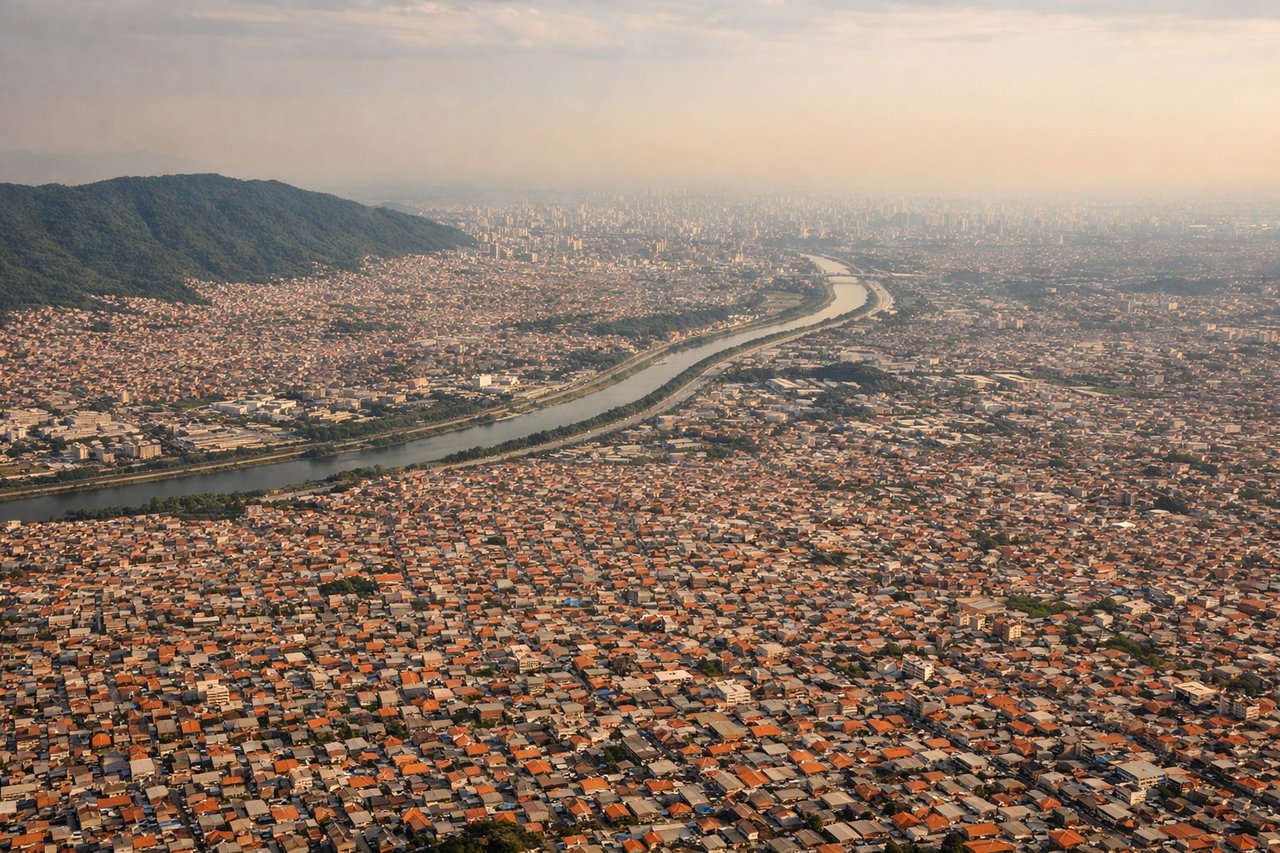
LEFTLeft-side seats provide excellent views during descent into São Paulo, with clear sightlines of the Cantareira Mountains to the north and the sprawling metropolitan area of greater São Paulo. The approach path from the northeast gives left-side passengers the best angle on the city's urban geography and surrounding terrain.
Landmarks on this routeAll landmarks →
Will your flight be in sunlight?
See exactly which side of the plane gets sun and shade at your departure time.
About This Route
Which side of the plane should I sit on flying from Guararapes (REC) to Guarulhos (GRU)?
Sit on the Left side of the plane for the best views on flights from Recife to Sao Paulo. While takeoff offers coastal views on the right, the landing approach into São Paulo provides more dramatic and varied scenery with the Cantareira Mountains and extensive metropolitan landscape visible on the left. The landing experience outweighs the takeoff advantage.
What can I see during takeoff from Guararapes in Recife?
During takeoff from Guararapes (REC), sit on the Right side for the best views. Right-side seats offer views of the Capibaribe River estuary and Recife's coastal urban sprawl as the aircraft climbs northeastward over the Atlantic before banking southwest toward São Paulo. The city's beachfront neighborhoods and port infrastructure are clearly visible during initial climb. Notable sights include: Capibaribe River estuary, Recife metropolitan coastline, Atlantic Ocean, Olinda hilltop district to the north.
What can I see when landing at Guarulhos in Sao Paulo?
When landing at Guarulhos (GRU), sit on the Left side for the best views. Left-side seats provide excellent views during descent into São Paulo, with clear sightlines of the Cantareira Mountains to the north and the sprawling metropolitan area of greater São Paulo. The approach path from the northeast gives left-side passengers the best angle on the city's urban geography and surrounding terrain. Notable sights include: Cantareira Mountains, São Paulo metropolitan sprawl, Pinheiros River valley, Guarulhos airport approach corridor.
How long is the flight from Recife to Sao Paulo?
The flight from Guararapes (REC) to Guarulhos (GRU) takes 2h 15m.
What does the Recife to Sao Paulo flight path pass over?
The flight path crosses inland from Recife southwestward across northeastern Brazil's interior plateau. Notable features include the Borborema Plateau's elevated terrain, the São Francisco River valley (visible as a green corridor through semi-arid scrubland), and the transition from the humid coastal zone to the drier sertão region. As the aircraft approaches São Paulo, the landscape becomes increasingly urbanized with scattered towns and agricultural areas giving way to the massive metropolitan conurbation.