Moscow to Xi'an is 3,590 miles (5,777 km), a flight of about 6 hours.
The left side captures more dramatic and varied geography: Moscow's water features during departure and the Qinling Mountains plus Wei River basin during arrival. The route crosses central Asia's most visually distinctive terrain on the left side of the aircraft.
Flight Path
The flight path crosses the southern Russian steppe, then transitions into Kazakhstan's steppes and semi-arid regions. Notable features include the Caspian Sea (visible to the south on left side around 2-3 hours into flight), the Ustyurt Plateau, and the transition into Central Asian mountain foothills. The Tian Shan mountains may be visible on the southern horizon during the latter portion of the flight. The landscape gradually transitions from flat steppe to increasingly mountainous terrain as the aircraft approaches the Qinling region.
Great circle distance and headings ›

Phase by phase
Takeoff from SVO
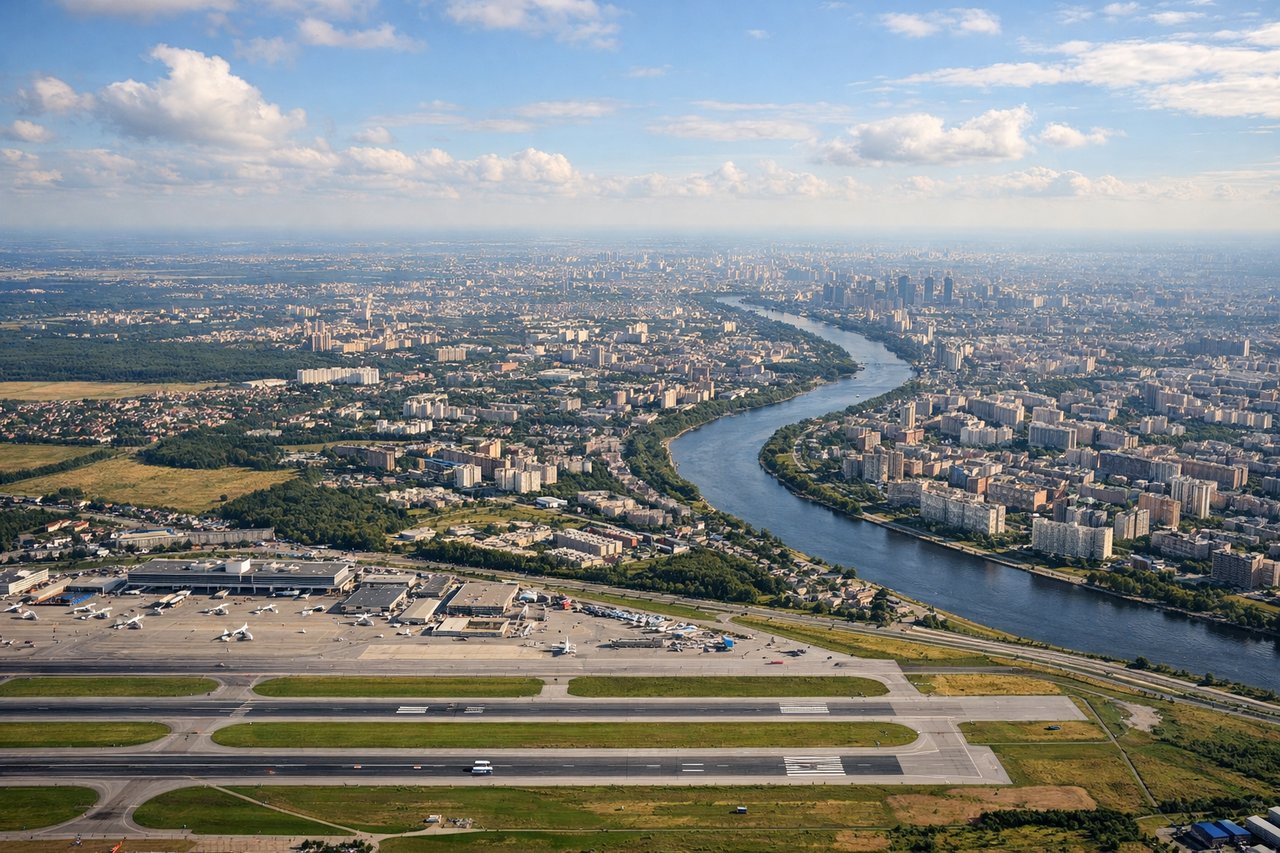
RIGHTRight-side seats capture the Moscow River's meandering path through the city and the urban sprawl of northwest Moscow during climb-out. Sheremetyevo typically departs north or northeast, so right windows face the populated areas and water features rather than the forested regions to the left.
Landing at XIY
LEFTLeft-side seats offer views of the Wei River valley and the Qinling Mountains' northern slopes as the aircraft descends into Xi'an. Xianyang typically lands from the east or northeast, so left windows face the dramatic terrain and geographic context of the Xi'an basin.
Landmarks on this routeAll landmarks →
Will your flight be in sunlight?
Pick a date and time in the Sun Map to watch the sun move across your whole flight.
About This Route
Which side of the plane should I sit on flying from Sheremetyevo (SVO) to Xianyang (XIY)?
Sit on the Left side of the plane for the best views on flights from Moscow to Xi'an. The left side captures more dramatic and varied geography: Moscow's water features during departure and the Qinling Mountains plus Wei River basin during arrival. The route crosses central Asia's most visually distinctive terrain on the left side of the aircraft.
What can I see during takeoff from Sheremetyevo in Moscow?
During takeoff from Sheremetyevo (SVO), sit on the Right side for the best views. Right-side seats capture the Moscow River's meandering path through the city and the urban sprawl of northwest Moscow during climb-out. Sheremetyevo typically departs north or northeast, so right windows face the populated areas and water features rather than the forested regions to the left. Notable sights include: Moscow River (visible as a winding ribbon through the city), Khimki Reservoir (northwest of airport), Moscow urban districts extending toward the horizon, forested areas of the Moscow Oblast.
What can I see when landing at Xianyang in Xi'an?
When landing at Xianyang (XIY), sit on the Left side for the best views. Left-side seats offer views of the Wei River valley and the Qinling Mountains' northern slopes as the aircraft descends into Xi'an. Xianyang typically lands from the east or northeast, so left windows face the dramatic terrain and geographic context of the Xi'an basin. Notable sights include: Qinling Mountains (northern range, snow-capped in winter, visible as a ridge on the horizon), Wei River (major tributary, visible as a winding watercourse through the plain), Xi'an urban area (sprawling city in the basin), Loess Plateau terrain (rolling, eroded landscape to the north).
How long is the flight from Moscow to Xi'an?
The flight from Sheremetyevo (SVO) to Xianyang (XIY) takes about 6 hours. The shortest flight path between them is 3,590 miles (5,777 km); winds and air traffic control usually add a few percent.
What does the Moscow to Xi'an flight path pass over?
The flight path crosses the southern Russian steppe, then transitions into Kazakhstan's steppes and semi-arid regions. Notable features include the Caspian Sea (visible to the south on left side around 2-3 hours into flight), the Ustyurt Plateau, and the transition into Central Asian mountain foothills. The Tian Shan mountains may be visible on the southern horizon during the latter portion of the flight. The landscape gradually transitions from flat steppe to increasingly mountainous terrain as the aircraft approaches the Qinling region.