While the takeoff offers good scenery on the left, the landing approach provides more dramatic and visually distinctive features on the right. The Pennine Hills and Manchester's urban geography create stronger visual interest than Adelaide's departure.
Flight Path
Flight path crosses the Indian Ocean, Red Sea, Suez Canal region, Mediterranean Sea, and central Europe. Notable features include the Suez Canal (narrow linear waterway visible at altitude), the Alps (snow-capped peaks during daylight crossing), and the North European Plain. Most of the journey occurs over open ocean with limited ground visibility; the most dramatic scenery occurs during the final descent into Manchester and initial climb from Adelaide.
Great circle distance and headings ›

.jpg?width=600)


.jpg?width=600)


Phase by phase

Takeoff from ADL
LEFTLeft-side seats offer views of the Mount Lofty Ranges and Adelaide Hills as the aircraft climbs northwest from Adelaide International. The terrain rises distinctly to the left, creating clear visual separation from the flat plains to the right.
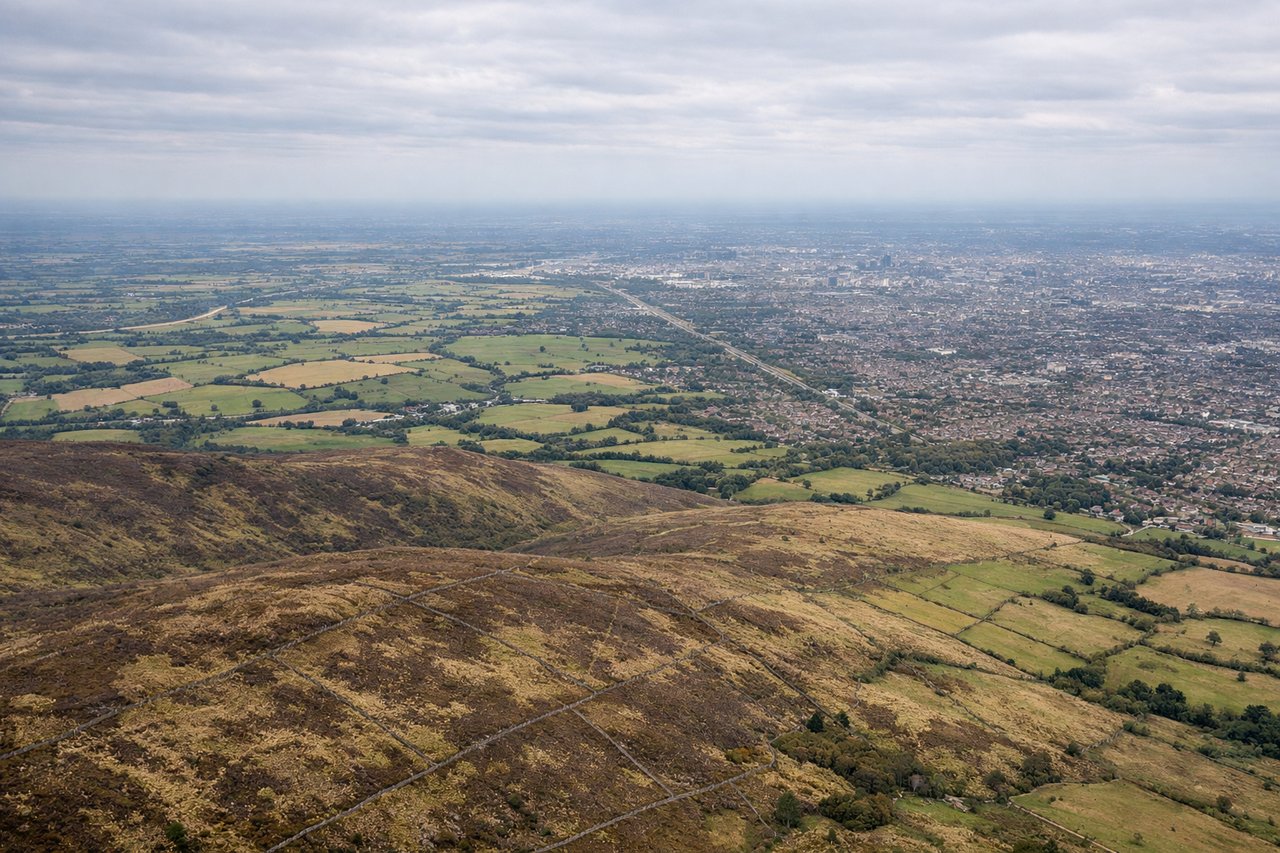
Landing at MAN
RIGHTRight-side seats provide excellent views during descent into Manchester. The aircraft approaches from the southwest, and right-side windows face the Pennine Hills and the industrial landscape of Greater Manchester, including visible urban sprawl and the city's distinctive geography.
Landmarks on this routeAll landmarks →
Will your flight be in sunlight?
See exactly which side of the plane gets sun and shade at your departure time.
About This Route
Which side of the plane should I sit on flying from Adelaide International (ADL) to Manchester (MAN)?
Sit on the Right side of the plane for the best views on flights from Adelaide to Manchester. While the takeoff offers good scenery on the left, the landing approach provides more dramatic and visually distinctive features on the right. The Pennine Hills and Manchester's urban geography create stronger visual interest than Adelaide's departure.
What can I see during takeoff from Adelaide International in Adelaide?
During takeoff from Adelaide International (ADL), sit on the Left side for the best views. Left-side seats offer views of the Mount Lofty Ranges and Adelaide Hills as the aircraft climbs northwest from Adelaide International. The terrain rises distinctly to the left, creating clear visual separation from the flat plains to the right. Notable sights include: Mount Lofty Ranges, Adelaide Hills, Barossa Valley (distant), Gulf St Vincent coastline (receding behind).
What can I see when landing at Manchester in Manchester?
When landing at Manchester (MAN), sit on the Right side for the best views. Right-side seats provide excellent views during descent into Manchester. The aircraft approaches from the southwest, and right-side windows face the Pennine Hills and the industrial landscape of Greater Manchester, including visible urban sprawl and the city's distinctive geography. Notable sights include: Pennine Hills, Greater Manchester urban area, Cheshire plains, River Mersey valley.
How long is the flight from Adelaide to Manchester?
The flight from Adelaide International (ADL) to Manchester (MAN) takes Approximately 17-18 hours (including one stop, typically in Middle East hub like Doha or Dubai).
What does the Adelaide to Manchester flight path pass over?
Flight path crosses the Indian Ocean, Red Sea, Suez Canal region, Mediterranean Sea, and central Europe. Notable features include the Suez Canal (narrow linear waterway visible at altitude), the Alps (snow-capped peaks during daylight crossing), and the North European Plain. Most of the journey occurs over open ocean with limited ground visibility; the most dramatic scenery occurs during the final descent into Manchester and initial climb from Adelaide.