While left offers better takeoff scenery, right seats provide superior views during the extended approach phase over the Mekong Delta—the most visually distinctive portion of this flight. The delta's intricate waterway patterns and agricultural landscape are more compelling than Adelaide's departure views.
Flown ADL to SGN? Did we get it right?
Flight Path
Adelaide to Ho Chi Minh City is 3,788 miles (6,096 km), a flight of about 7 hours.
The flight path crosses the Timor Sea and passes over or near the Indonesian archipelago (Timor and surrounding islands). At cruise altitude, the Timor Sea appears as open ocean with occasional cloud formations. The Indonesian islands, particularly Timor, may be visible as landmasses with mountainous terrain if the flight passes close enough, though visibility depends on cloud cover and exact routing. The transition from Australian to Southeast Asian airspace occurs over open water with minimal distinctive landmarks at typical cruise altitude (33,000-35,000 feet). As the aircraft approaches Vietnam, the landscape transitions from open ocean to the flat, water-dominated terrain of the Mekong Delta, which becomes increasingly visible during descent.
Great circle distance and headings ›


Phase by phase
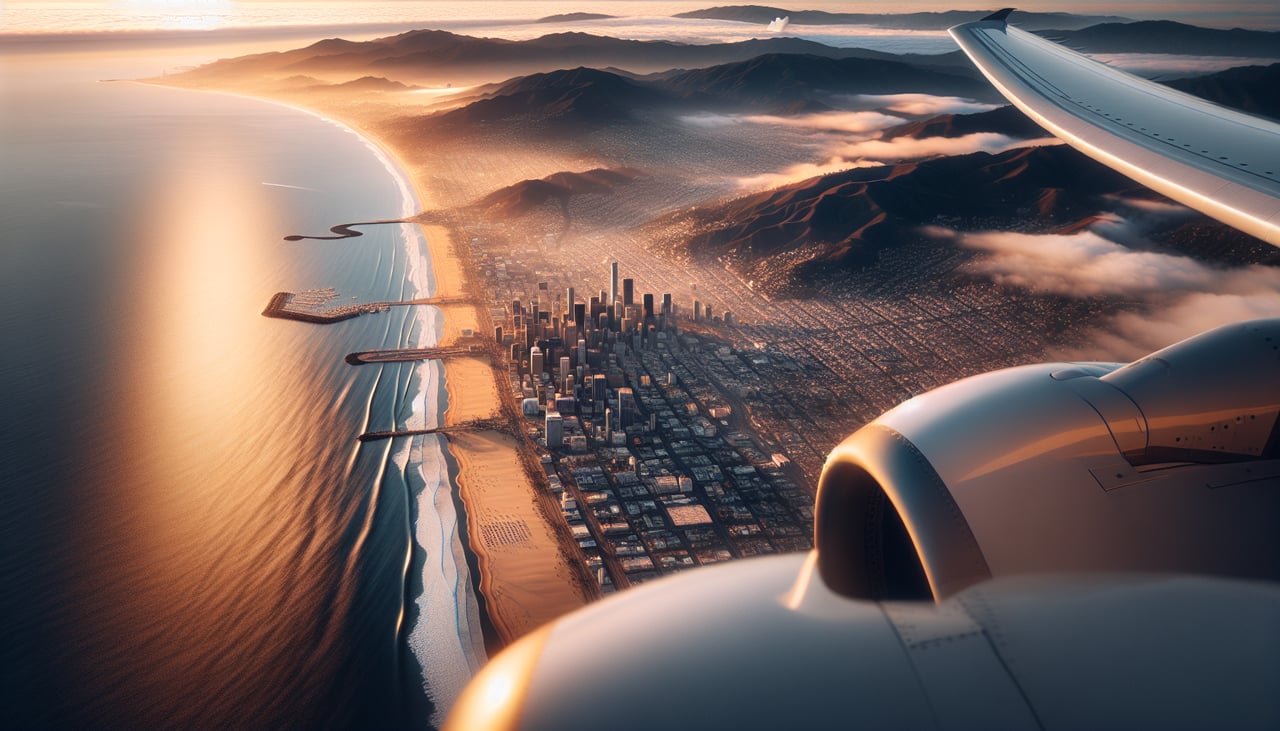
Takeoff from ADL
LEFTLeft seats face northwest on departure, offering views of the Adelaide Hills and Mount Lofty Range as the aircraft climbs. Right seats face southeast toward the ocean but with less dramatic terrain.
Landing at SGN
RIGHTRight seats face west-northwest on approach to Tansonnhat, providing views of the Mekong Delta's intricate waterway network and agricultural patchwork. Left seats face the opposite direction with less scenic value.
Will your flight be in sunlight?
Pick a date and time in the Sun Map to watch the sun move across your whole flight.
About This Route
Which side of the plane should I sit on flying from Adelaide International (ADL) to Tansonnhat International (SGN)?
Sit on the Right side of the plane for the best views on flights from Adelaide to Ho Chi Minh City. While left offers better takeoff scenery, right seats provide superior views during the extended approach phase over the Mekong Delta—the most visually distinctive portion of this flight. The delta's intricate waterway patterns and agricultural landscape are more compelling than Adelaide's departure views.
What can I see during takeoff from Adelaide International in Adelaide?
During takeoff from Adelaide International (ADL), sit on the Left side for the best views. Left seats face northwest on departure, offering views of the Adelaide Hills and Mount Lofty Range as the aircraft climbs. Right seats face southeast toward the ocean but with less dramatic terrain. Notable sights include: Mount Lofty Range, Adelaide Hills, Gulf St Vincent coastline, Adelaide city grid.
What can I see when landing at Tansonnhat International in Ho Chi Minh City?
When landing at Tansonnhat International (SGN), sit on the Right side for the best views. Right seats face west-northwest on approach to Tansonnhat, providing views of the Mekong Delta's intricate waterway network and agricultural patchwork. Left seats face the opposite direction with less scenic value. Notable sights include: Mekong Delta waterways and rice paddies, Saigon River, Ho Chi Minh City sprawl, coastal mangrove regions.
How long is the flight from Adelaide to Ho Chi Minh City?
The flight from Adelaide International (ADL) to Tansonnhat International (SGN) takes about 7 hours. The shortest flight path between them is 3,788 miles (6,096 km); winds and air traffic control usually add a few percent.
What does the Adelaide to Ho Chi Minh City flight path pass over?
The flight path crosses the Timor Sea and passes over or near the Indonesian archipelago (Timor and surrounding islands). At cruise altitude, the Timor Sea appears as open ocean with occasional cloud formations. The Indonesian islands, particularly Timor, may be visible as landmasses with mountainous terrain if the flight passes close enough, though visibility depends on cloud cover and exact routing. The transition from Australian to Southeast Asian airspace occurs over open water with minimal distinctive landmarks at typical cruise altitude (33,000-35,000 feet). As the aircraft approaches Vietnam, the landscape transitions from open ocean to the flat, water-dominated terrain of the Mekong Delta, which becomes increasingly visible during descent.