The left side delivers the strongest scenery at both ends of the flight — the Málaga coastline and city at takeoff, and Dublin Bay with the Wicklow Mountains at landing — while the right side offers only secondary inland or coastal views during those same phases.
Flight Path
The route crosses inland Spain near the Sistema Central before heading out over the Bay of Biscay, clipping the French Atlantic coast near Nantes, then crossing the Celtic Sea to reach Ireland's south coast before the descent into Dublin.
Great circle distance and headings ›Phase by phase
Takeoff from AGP
LEFTDeparting AGP under typical westerly winds, the climb-out and turn to the north put the Mediterranean coastline on the left, with Málaga's harbor, La Malagueta beach, and the Costa del Sol resort towns sliding into view before the aircraft turns north. The right side mainly shows the drier inland foothills of the Montes de Málaga.
Landing at DUB
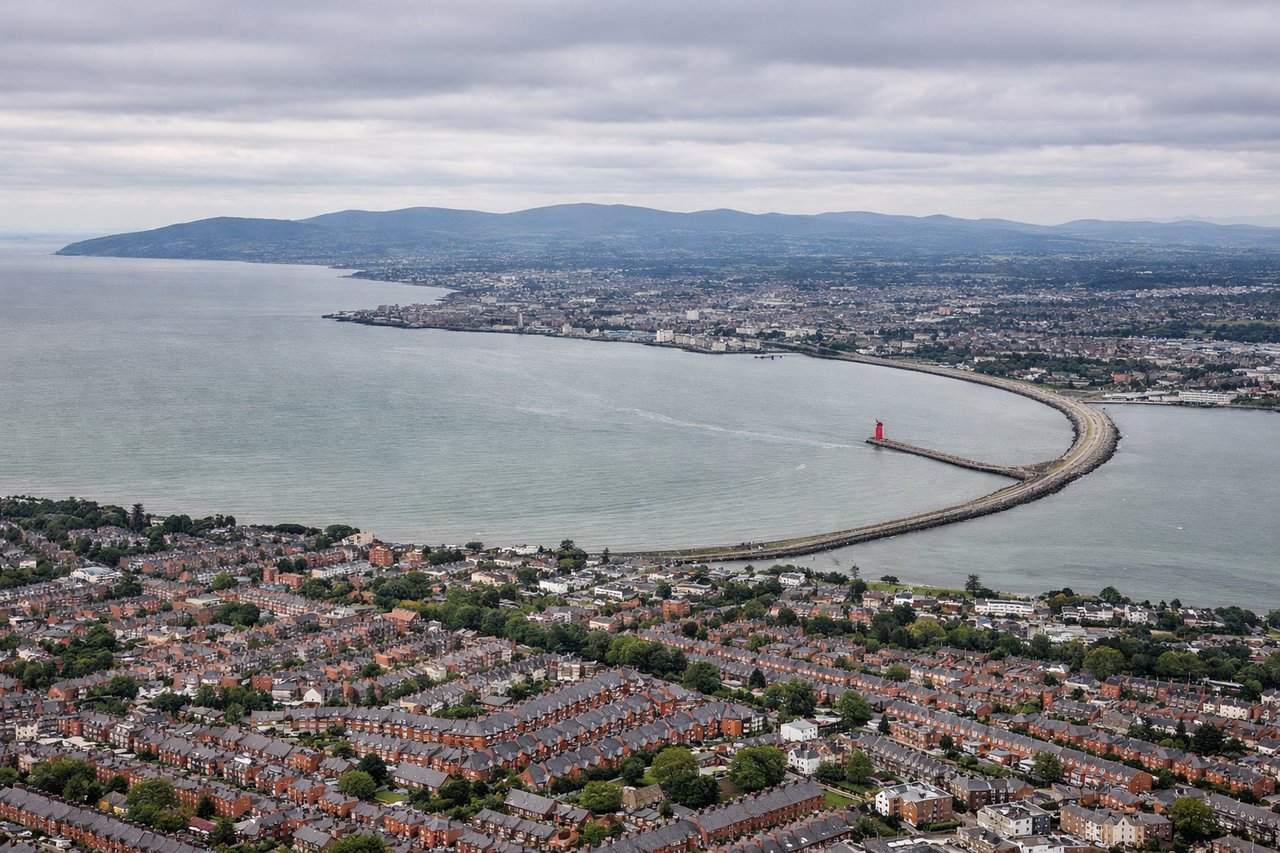
LEFTOn the common runway 28 approach into Dublin, the aircraft descends from the east, putting Dublin Bay, the city center along the River Liffey, and the Wicklow Mountains on the left side. The right side mainly shows the flatter Howth peninsula and Malahide coastline, which is scenic but less dramatic.
Will your flight be in sunlight?
See exactly which side of the plane gets sun and shade at your departure time.
About This Route
Which side of the plane should I sit on flying from Malaga (AGP) to Dublin (DUB)?
Sit on the Left side of the plane for the best views on flights from Malaga to Dublin. The left side delivers the strongest scenery at both ends of the flight — the Málaga coastline and city at takeoff, and Dublin Bay with the Wicklow Mountains at landing — while the right side offers only secondary inland or coastal views during those same phases.
What can I see during takeoff from Malaga in Malaga?
During takeoff from Malaga (AGP), sit on the Left side for the best views. Departing AGP under typical westerly winds, the climb-out and turn to the north put the Mediterranean coastline on the left, with Málaga's harbor, La Malagueta beach, and the Costa del Sol resort towns sliding into view before the aircraft turns north. The right side mainly shows the drier inland foothills of the Montes de Málaga. Notable sights include: Málaga harbor and city waterfront, La Malagueta beach, Mediterranean Sea, Costa del Sol coastline toward Torremolinos.
What can I see when landing at Dublin in Dublin?
When landing at Dublin (DUB), sit on the Left side for the best views. On the common runway 28 approach into Dublin, the aircraft descends from the east, putting Dublin Bay, the city center along the River Liffey, and the Wicklow Mountains on the left side. The right side mainly shows the flatter Howth peninsula and Malahide coastline, which is scenic but less dramatic. Notable sights include: Dublin Bay, River Liffey and city skyline, Dún Laoghaire harbor, Wicklow Mountains.
How long is the flight from Malaga to Dublin?
The flight from Malaga (AGP) to Dublin (DUB) takes 3h 40m.
What does the Malaga to Dublin flight path pass over?
The route crosses inland Spain near the Sistema Central before heading out over the Bay of Biscay, clipping the French Atlantic coast near Nantes, then crossing the Celtic Sea to reach Ireland's south coast before the descent into Dublin.