While left offers better takeoff scenery from Agra, right side dominates the longer descent into JFK with dramatic coastal and metropolitan views. Since most of the 15-hour flight crosses ocean and clouds, the landing approach provides the most memorable window experience.
Flown AGR to JFK? Did we get it right?
Flight Path
Agra to New York is 7,414 miles (11,931 km), a flight of about 15 hours 30 minutes.
The flight path crosses the Himalayas (visible from altitude as a massive snow-capped ridge if routed via northern corridors), the Middle Eastern deserts (Thar, Arabian, and Syrian deserts depending on routing), the Mediterranean Sea, and the Atlantic Ocean. Most of the transatlantic portion offers limited ground features—primarily open ocean with occasional cloud formations. Greenland's ice sheet and the Canadian Arctic may be visible on northern routing. The approach to North America reveals the Canadian Maritime provinces, New England coastline, and eventually the New York metropolitan area.
Great circle distance and headings ›


Phase by phase
Takeoff from AGR
LEFTLeft side offers views of the Yamuna River and Agra's urban layout immediately after departure. The aircraft climbs northwestward, so left-side passengers see the river's curves and the city grid spreading below before heading toward the Gangetic Plain.
Landing at JFK
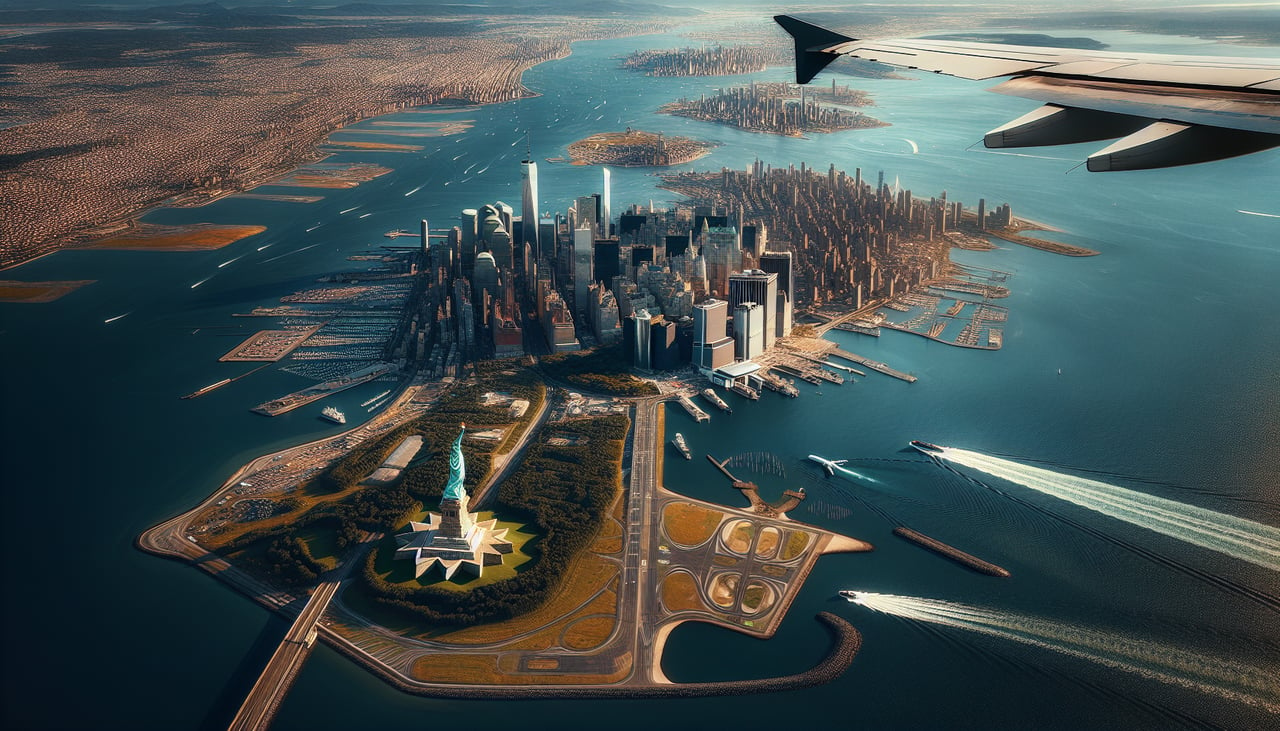
RIGHTRight side provides views of the Atlantic coastline and Long Island Sound as the aircraft descends into JFK. Passengers see the New York City metropolitan area, Jamaica Bay, and the approach path over water and coastal neighborhoods.
Will your flight be in sunlight?
Pick a date and time in the Sun Map to watch the sun move across your whole flight.
About This Route
Which side of the plane should I sit on flying from Agra (AGR) to John F Kennedy International (JFK)?
Sit on the Right side of the plane for the best views on flights from Agra to New York. While left offers better takeoff scenery from Agra, right side dominates the longer descent into JFK with dramatic coastal and metropolitan views. Since most of the 15-hour flight crosses ocean and clouds, the landing approach provides the most memorable window experience.
What can I see during takeoff from Agra in Agra?
During takeoff from Agra (AGR), sit on the Left side for the best views. Left side offers views of the Yamuna River and Agra's urban layout immediately after departure. The aircraft climbs northwestward, so left-side passengers see the river's curves and the city grid spreading below before heading toward the Gangetic Plain. Notable sights include: Yamuna River (meandering through Agra), Agra city grid and urban sprawl, Mathura region to the north, Gangetic Plain extending toward Delhi.
What can I see when landing at John F Kennedy International in New York?
When landing at John F Kennedy International (JFK), sit on the Right side for the best views. Right side provides views of the Atlantic coastline and Long Island Sound as the aircraft descends into JFK. Passengers see the New York City metropolitan area, Jamaica Bay, and the approach path over water and coastal neighborhoods. Notable sights include: Long Island Sound (north of approach path), Jamaica Bay and wetlands, Rockaway Peninsula and barrier islands, Queens and Brooklyn urban sprawl.
How long is the flight from Agra to New York?
The flight from Agra (AGR) to John F Kennedy International (JFK) takes about 15 hours 30 minutes. The shortest flight path between them is 7,414 miles (11,931 km); winds and air traffic control usually add a few percent.
What does the Agra to New York flight path pass over?
The flight path crosses the Himalayas (visible from altitude as a massive snow-capped ridge if routed via northern corridors), the Middle Eastern deserts (Thar, Arabian, and Syrian deserts depending on routing), the Mediterranean Sea, and the Atlantic Ocean. Most of the transatlantic portion offers limited ground features—primarily open ocean with occasional cloud formations. Greenland's ice sheet and the Canadian Arctic may be visible on northern routing. The approach to North America reveals the Canadian Maritime provinces, New England coastline, and eventually the New York metropolitan area.