Auckland to Perth is 3,316 miles (5,336 km), a flight of about 5 hours 15 minutes.
Right-side seats capture the more dramatic departure scenery (Rangitoto and the volcanic field), and while left wins for landing views, the takeoff experience is more visually rewarding on this route. The outbound views of Auckland's iconic volcanic landscape are the highlight.
Flight Path
The flight crosses the Tasman Sea with no significant landmarks visible for most of the journey. Around the midpoint, you may glimpse the southern coast of New South Wales or northern Victoria at extreme altitude if conditions allow, but the Tasman crossing is predominantly open ocean. The approach to Western Australia brings the Indian Ocean coastline into view, with the Darling Range escarpment becoming visible inland as you descend toward Perth.
Great circle distance and headings ›Phase by phase
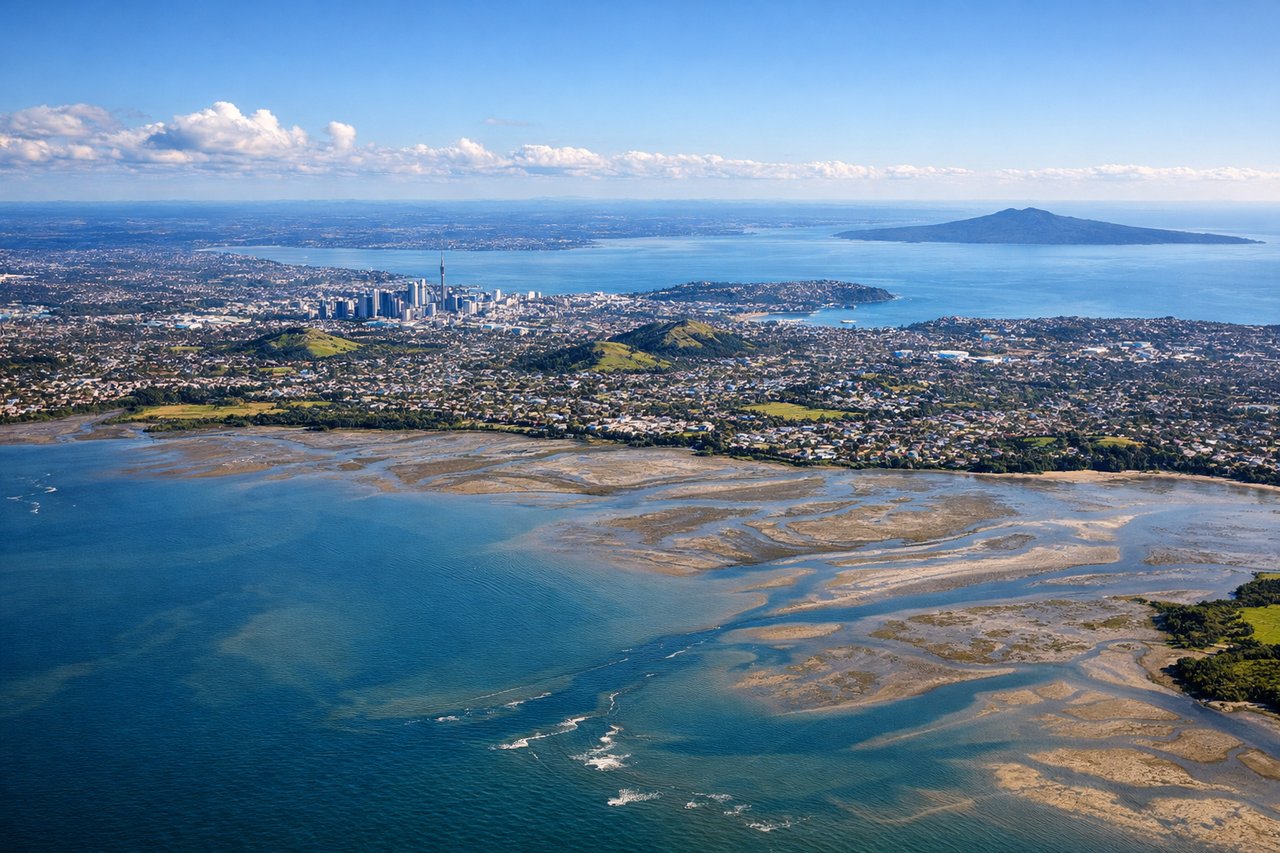
Takeoff from AKL
RIGHTAuckland typically departs from runways 03L/03R (northbound) or 21L/21R (southbound). Right-side seats offer views of the Hauraki Gulf and Waitemata Harbour immediately after rotation, plus the volcanic cones of the Auckland volcanic field spreading across the isthmus as you climb.
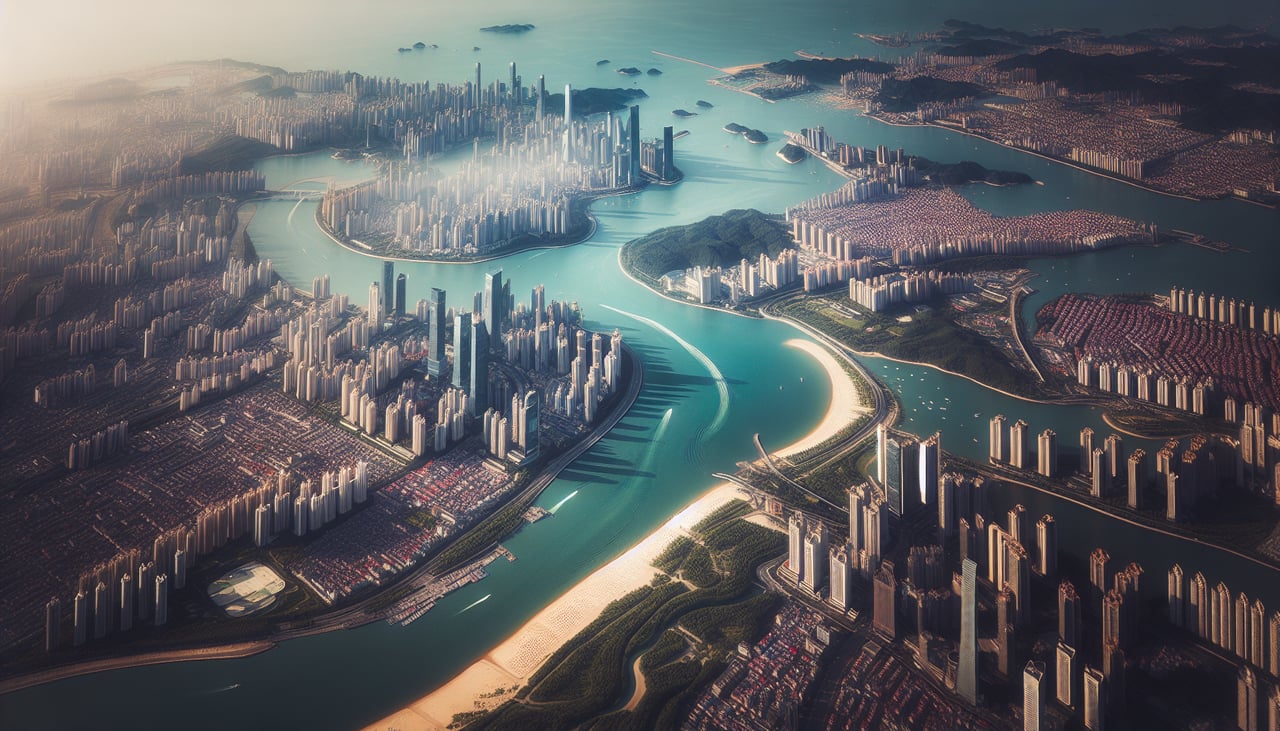
Landing at PER
LEFTPerth typically lands on runways 03 or 21. Left-side seats during descent provide views of the Swan River estuary, Perth's city centre, and the Indian Ocean approach. You'll see the distinctive curve of the Swan River and the Darling Range escarpment inland as you descend toward the airport south of the city.
Landmarks on this routeAll landmarks →
Will your flight be in sunlight?
Pick a date and time in the Sun Map to watch the sun move across your whole flight.
About This Route
Which side of the plane should I sit on flying from Auckland International (AKL) to Perth International (PER)?
Sit on the Right side of the plane for the best views on flights from Auckland to Perth. Right-side seats capture the more dramatic departure scenery (Rangitoto and the volcanic field), and while left wins for landing views, the takeoff experience is more visually rewarding on this route. The outbound views of Auckland's iconic volcanic landscape are the highlight.
What can I see during takeoff from Auckland International in Auckland?
During takeoff from Auckland International (AKL), sit on the Right side for the best views. Auckland typically departs from runways 03L/03R (northbound) or 21L/21R (southbound). Right-side seats offer views of the Hauraki Gulf and Waitemata Harbour immediately after rotation, plus the volcanic cones of the Auckland volcanic field spreading across the isthmus as you climb. Notable sights include: Waitemata Harbour, Hauraki Gulf, Rangitoto Island (distinctive volcanic cone), Auckland volcanic field cones (Mount Eden, Mount Wellington visible inland).
What can I see when landing at Perth International in Perth?
When landing at Perth International (PER), sit on the Left side for the best views. Perth typically lands on runways 03 or 21. Left-side seats during descent provide views of the Swan River estuary, Perth's city centre, and the Indian Ocean approach. You'll see the distinctive curve of the Swan River and the Darling Range escarpment inland as you descend toward the airport south of the city. Notable sights include: Swan River estuary, Perth city centre skyline, Darling Range (inland escarpment), Indian Ocean.
How long is the flight from Auckland to Perth?
The flight from Auckland International (AKL) to Perth International (PER) takes about 5 hours 15 minutes. The shortest flight path between them is 3,316 miles (5,336 km); winds and air traffic control usually add a few percent.
What does the Auckland to Perth flight path pass over?
The flight crosses the Tasman Sea with no significant landmarks visible for most of the journey. Around the midpoint, you may glimpse the southern coast of New South Wales or northern Victoria at extreme altitude if conditions allow, but the Tasman crossing is predominantly open ocean. The approach to Western Australia brings the Indian Ocean coastline into view, with the Darling Range escarpment becoming visible inland as you descend toward Perth.