Right side scores higher (3.5 vs 2.5) due to superior scenery on both takeoff and landing. The Stockholm archipelago departure provides genuine visual interest with thousands of visible islands and water channels, while the Phang Nga Bay approach delivers dramatic limestone karsts and tropical coastal scenery. Left side offers only open Baltic Sea during cruise and lacks the distinctive landmarks of the right-side approach.
Flown ARN to HKT? Did we get it right?
Flight Path
Stockholm to Phuket is 5,400 miles (8,690 km), a flight of about 10 hours 15 minutes.
Eastern Europe: Polish plains and Carpathian Mountains (distant, southern horizon); Black Sea region; Turkey's Anatolian plateau and Mediterranean coast; Syria-Lebanon mountain ranges; Persian Gulf; Arabian Peninsula desert; Indian Ocean crossing; Malaysia's Peninsular highlands and Strait of Malacca; Andaman Sea approach to Thailand
Great circle distance and headings ›Phase by phase
Takeoff from ARN
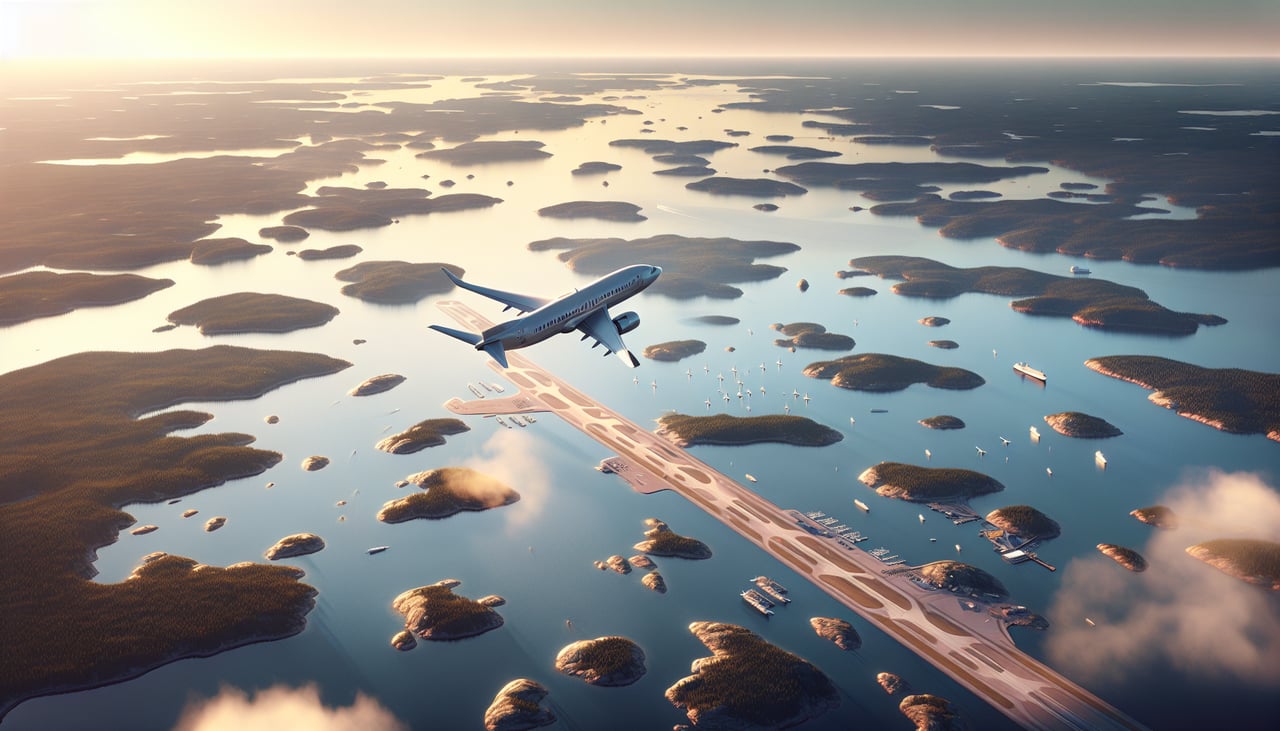
RIGHTRight side captures Stockholm's archipelago during initial climb. The departure typically heads south or southeast from ARN, and right-side passengers see the intricate island pattern of the Stockholm archipelago spreading across the Baltic, with Vaxholm and surrounding skerries visible as the aircraft climbs through 3,000–5,000 feet.
Landing at HKT
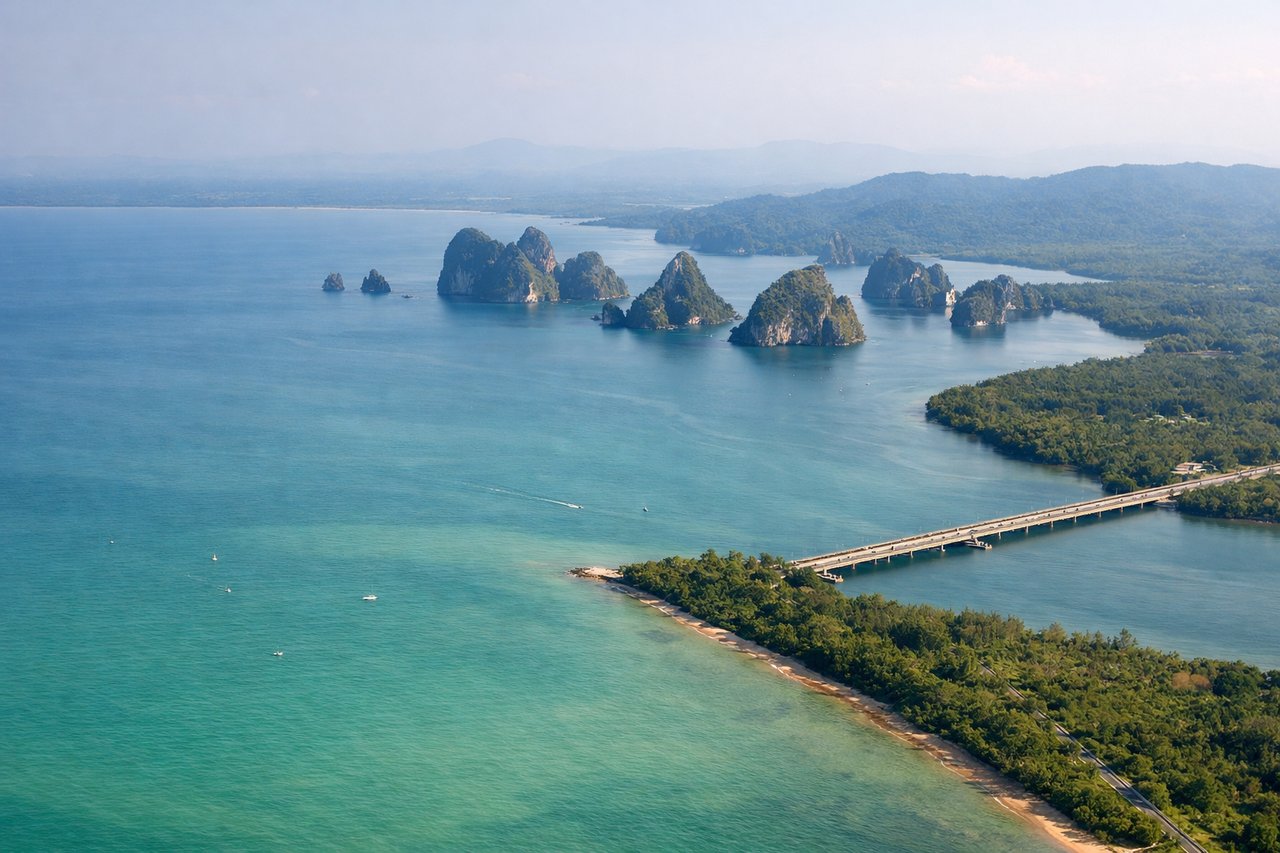
RIGHTRight side offers superior approach scenery into Phuket. Aircraft typically descend from the northeast and approach runway 27 (westbound) over the Andaman Sea, bringing right-side passengers a dramatic view of Mai Khao Beach, Phang Nga Bay's limestone karsts, and the final descent over turquoise coastal waters before touchdown.
Will your flight be in sunlight?
Pick a date and time in the Sun Map to watch the sun move across your whole flight.
About This Route
Which side of the plane should I sit on flying from Arlanda (ARN) to Phuket International (HKT)?
Sit on the Right side of the plane for the best views on flights from Stockholm to Phuket. Right side scores higher (3.5 vs 2.5) due to superior scenery on both takeoff and landing. The Stockholm archipelago departure provides genuine visual interest with thousands of visible islands and water channels, while the Phang Nga Bay approach delivers dramatic limestone karsts and tropical coastal scenery. Left side offers only open Baltic Sea during cruise and lacks the distinctive landmarks of the right-side approach.
What can I see during takeoff from Arlanda in Stockholm?
During takeoff from Arlanda (ARN), sit on the Right side for the best views. Right side captures Stockholm's archipelago during initial climb. The departure typically heads south or southeast from ARN, and right-side passengers see the intricate island pattern of the Stockholm archipelago spreading across the Baltic, with Vaxholm and surrounding skerries visible as the aircraft climbs through 3,000–5,000 feet. Notable sights include: Stockholm archipelago (Vaxholm, Värmdö islands), Baltic Sea coastline, Lake Mälaren to the west (partially visible), suburban Stockholm sprawl.
What can I see when landing at Phuket International in Phuket?
When landing at Phuket International (HKT), sit on the Right side for the best views. Right side offers superior approach scenery into Phuket. Aircraft typically descend from the northeast and approach runway 27 (westbound) over the Andaman Sea, bringing right-side passengers a dramatic view of Mai Khao Beach, Phang Nga Bay's limestone karsts, and the final descent over turquoise coastal waters before touchdown. Notable sights include: Phang Nga Bay limestone karsts (James Bond Island area), Mai Khao Beach, Andaman Sea, Phuket's western coastline and resort development.
How long is the flight from Stockholm to Phuket?
The flight from Arlanda (ARN) to Phuket International (HKT) takes about 10 hours 15 minutes. The shortest flight path between them is 5,400 miles (8,690 km); winds and air traffic control usually add a few percent.
What does the Stockholm to Phuket flight path pass over?
Eastern Europe: Polish plains and Carpathian Mountains (distant, southern horizon); Black Sea region; Turkey's Anatolian plateau and Mediterranean coast; Syria-Lebanon mountain ranges; Persian Gulf; Arabian Peninsula desert; Indian Ocean crossing; Malaysia's Peninsular highlands and Strait of Malacca; Andaman Sea approach to Thailand