While the takeoff offers Stockholm's archipelago, the landing view of the Cascade Range and Mount Hood is more visually dramatic and iconic. The volcanic peaks are unmistakable landmarks visible from significant distance, making right seats the better choice for this transatlantic route.
Flown ARN to PDX? Did we get it right?
Flight Path
Stockholm to Portland is 4,830 miles (7,774 km), a flight of about 9 hours 15 minutes.
Greenland's ice sheet and coastal mountains (visible on northerly routing), Norwegian Sea, Iceland's volcanic landscape (if routed south of Greenland), Canadian Arctic islands, Hudson Bay region, Great Lakes, and the transition from boreal forest to temperate zones across North America
Great circle distance and headings ›


Phase by phase
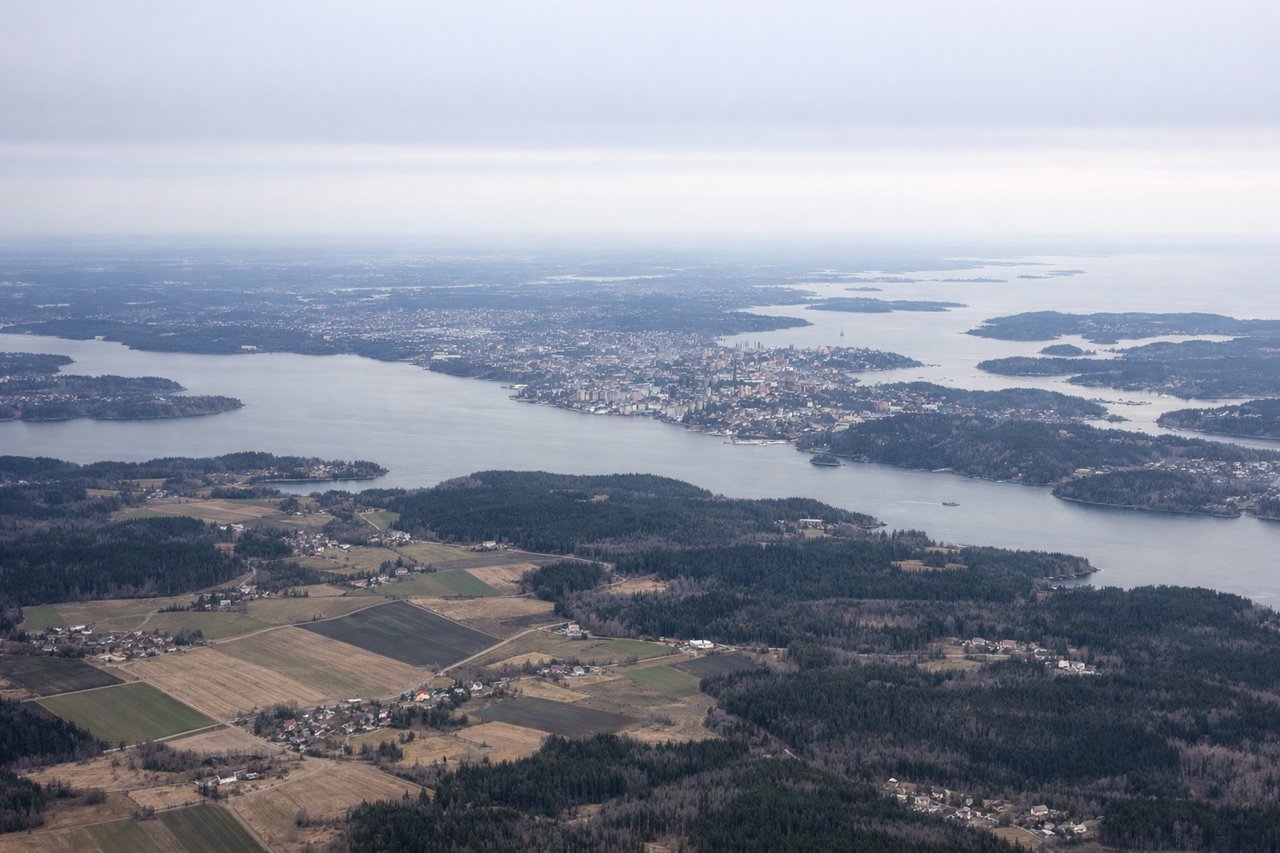
Takeoff from ARN
LEFTLeft seats offer views of Stockholm's archipelago and the Baltic coastline as you climb out northwestward. The intricate pattern of islands and waterways is distinctive and photogenic during the initial climb.
Landing at PDX
RIGHTRight seats provide excellent views of the Cascade Range and Mount Hood during descent into Portland. These snow-capped peaks are striking landmarks visible from 20,000+ feet on clear days, and they sit directly on the right side of the standard approach corridor.
Will your flight be in sunlight?
Pick a date and time in the Sun Map to watch the sun move across your whole flight.
About This Route
Which side of the plane should I sit on flying from Arlanda (ARN) to Portland International (PDX)?
Sit on the Right side of the plane for the best views on flights from Stockholm to Portland. While the takeoff offers Stockholm's archipelago, the landing view of the Cascade Range and Mount Hood is more visually dramatic and iconic. The volcanic peaks are unmistakable landmarks visible from significant distance, making right seats the better choice for this transatlantic route.
What can I see during takeoff from Arlanda in Stockholm?
During takeoff from Arlanda (ARN), sit on the Left side for the best views. Left seats offer views of Stockholm's archipelago and the Baltic coastline as you climb out northwestward. The intricate pattern of islands and waterways is distinctive and photogenic during the initial climb. Notable sights include: Stockholm archipelago (thousands of islands), Baltic Sea, Lake Mälaren to the west, Uppland forests.
What can I see when landing at Portland International in Portland?
When landing at Portland International (PDX), sit on the Right side for the best views. Right seats provide excellent views of the Cascade Range and Mount Hood during descent into Portland. These snow-capped peaks are striking landmarks visible from 20,000+ feet on clear days, and they sit directly on the right side of the standard approach corridor. Notable sights include: Cascade Range (including Mount Hood at 11,240 ft), Willamette Valley agricultural plains, Columbia River, Mount Jefferson.
How long is the flight from Stockholm to Portland?
The flight from Arlanda (ARN) to Portland International (PDX) takes about 9 hours 15 minutes. The shortest flight path between them is 4,830 miles (7,774 km); winds and air traffic control usually add a few percent.
What does the Stockholm to Portland flight path pass over?
Greenland's ice sheet and coastal mountains (visible on northerly routing), Norwegian Sea, Iceland's volcanic landscape (if routed south of Greenland), Canadian Arctic islands, Hudson Bay region, Great Lakes, and the transition from boreal forest to temperate zones across North America