While Atlanta's takeoff gives the right side a brief skyline moment, the left side wins out overall thanks to a dramatic, close-in approach over Yellow Sea islands, mudflats, and the Incheon Bridge, plus better sightlines toward Arctic Canada and Siberian coastal terrain during the long cruise, which combine for a more visually varied flight.
Flight Path
The route tracks over the Great Lakes and Hudson Bay, across the Canadian Arctic tundra and islands, then over the Bering Sea and Chukotka Peninsula, past Kamchatka's volcanic ridgeline, and down across the Sea of Okhotsk and Sakhalin Island before descending toward the Korean coast.
Great circle distance and headings ›.jpeg?width=600)

Phase by phase

Takeoff from ATL
RIGHTDeparting ATL, the route bends from a westbound runway heading onto a north-northwest track toward Canada, and that turn swings the downtown Atlanta skyline and Stone Mountain into view on the right side. The left side mostly shows flat suburban sprawl with no distinctive features.
Landing at ICN
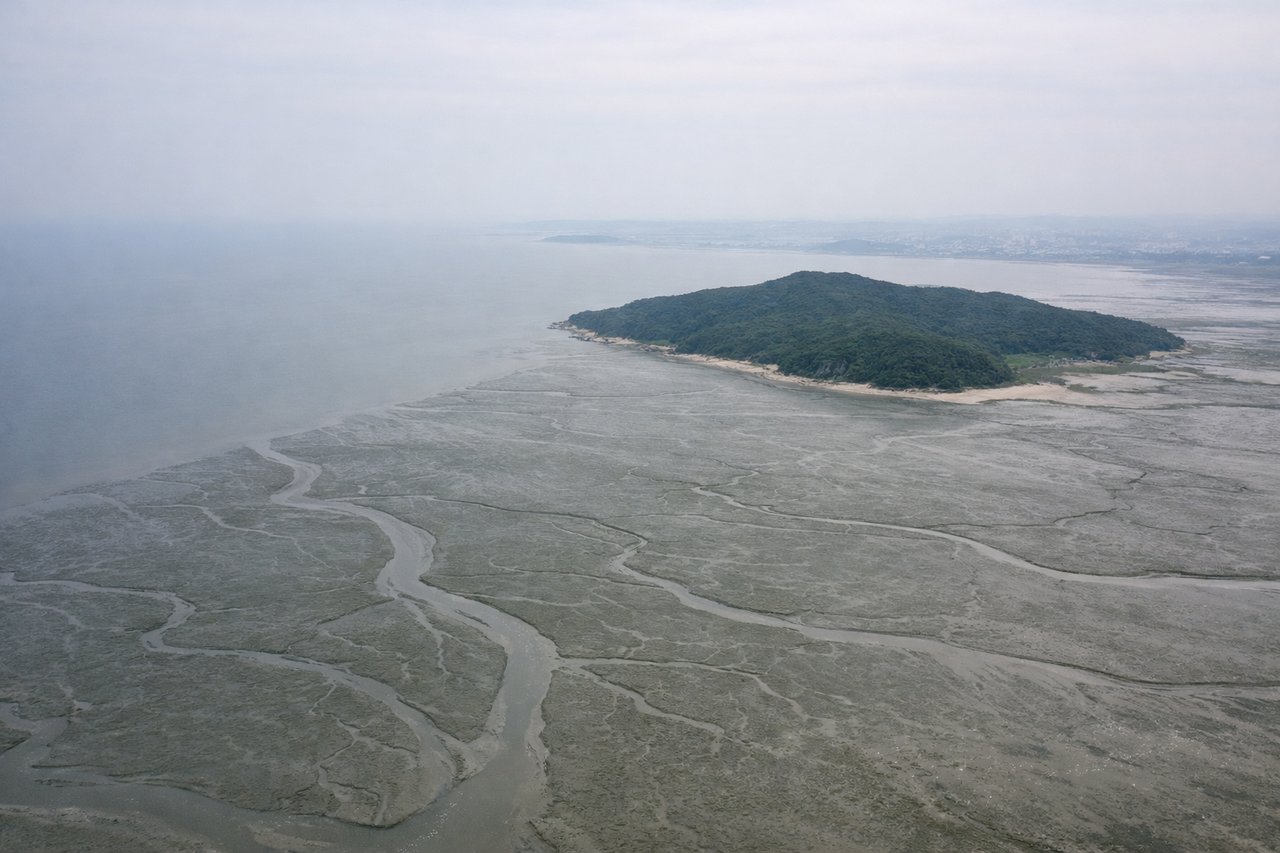
LEFTIncheon airport sits on reclaimed land between islands in the Yellow Sea, and the final approach crosses tidal mudflats, small islands, and the cable towers of the Incheon Bridge, all visible on the left side as the aircraft lines up for landing. The right side mainly shows the more distant, often hazy Seoul skyline inland.
Landmarks on this routeAll landmarks →
Will your flight be in sunlight?
See exactly which side of the plane gets sun and shade at your departure time.
About This Route
Which side of the plane should I sit on flying from The William B Hartsfield Atlanta International (ATL) to Incheon International (ICN)?
Sit on the Left side of the plane for the best views on flights from Atlanta to Seoul. While Atlanta's takeoff gives the right side a brief skyline moment, the left side wins out overall thanks to a dramatic, close-in approach over Yellow Sea islands, mudflats, and the Incheon Bridge, plus better sightlines toward Arctic Canada and Siberian coastal terrain during the long cruise, which combine for a more visually varied flight.
What can I see during takeoff from The William B Hartsfield Atlanta International in Atlanta?
During takeoff from The William B Hartsfield Atlanta International (ATL), sit on the Right side for the best views. Departing ATL, the route bends from a westbound runway heading onto a north-northwest track toward Canada, and that turn swings the downtown Atlanta skyline and Stone Mountain into view on the right side. The left side mostly shows flat suburban sprawl with no distinctive features. Notable sights include: Downtown Atlanta skyline, Stone Mountain, Chattahoochee River valley.
What can I see when landing at Incheon International in Seoul?
When landing at Incheon International (ICN), sit on the Left side for the best views. Incheon airport sits on reclaimed land between islands in the Yellow Sea, and the final approach crosses tidal mudflats, small islands, and the cable towers of the Incheon Bridge, all visible on the left side as the aircraft lines up for landing. The right side mainly shows the more distant, often hazy Seoul skyline inland. Notable sights include: Yellow Sea tidal mudflats, Incheon Bridge, Songdo skyline, Yeongjong Island coastline.
How long is the flight from Atlanta to Seoul?
The flight from The William B Hartsfield Atlanta International (ATL) to Incheon International (ICN) takes 14h 35m.
What does the Atlanta to Seoul flight path pass over?
The route tracks over the Great Lakes and Hudson Bay, across the Canadian Arctic tundra and islands, then over the Bering Sea and Chukotka Peninsula, past Kamchatka's volcanic ridgeline, and down across the Sea of Okhotsk and Sakhalin Island before descending toward the Korean coast.