While the right side offers a brief mountain view on departure, the left side wins overall thanks to the dramatic New York City skyline and harbor views during the final approach into JFK, a much stronger and more memorable payoff after hours over open ocean.
Flight Path
The majority of the flight crosses the North Atlantic Ocean, passing south of Ireland and near Newfoundland's coastal waters before making landfall over New England en route to New York.
Great circle distance and headings ›

.jpg?width=600)
Phase by phase
Takeoff from BCN
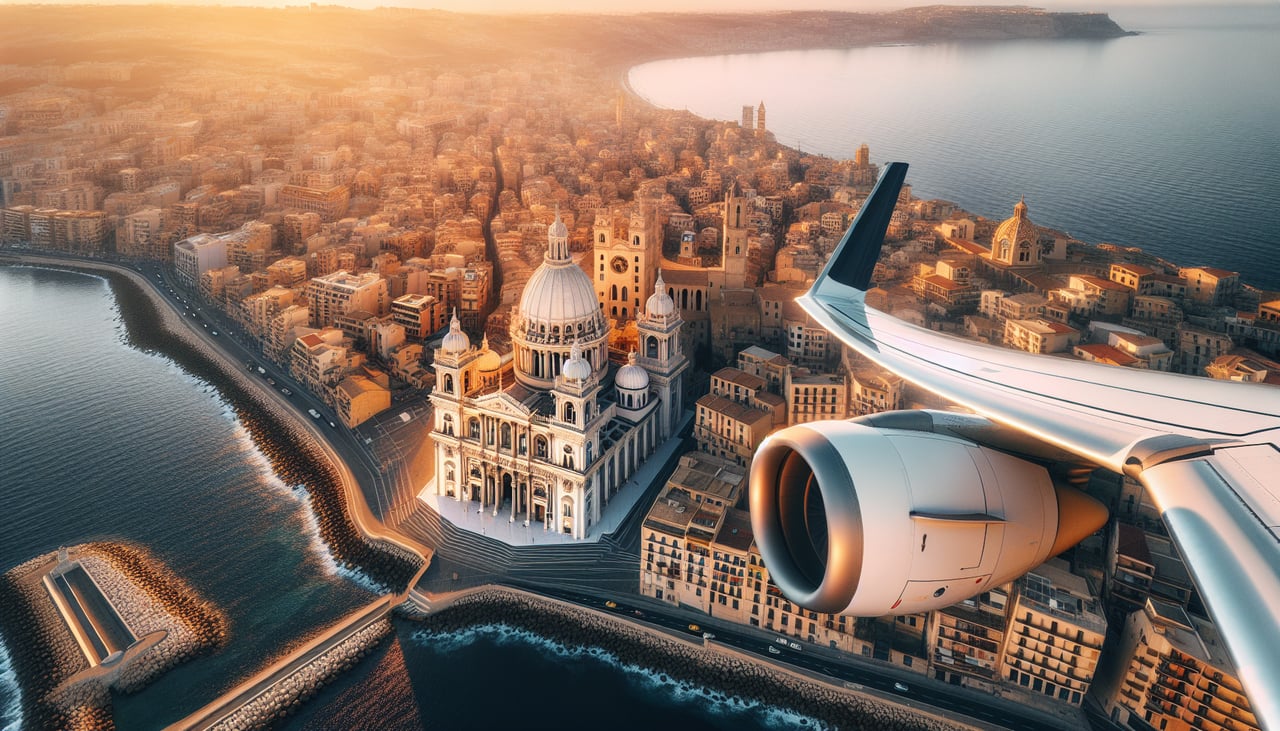
RIGHTDeparting BCN, flights typically climb out over the Mediterranean before turning northwest toward France, giving right-side passengers a good look at the Pyrenees foothills and the Costa Brava coastline receding below. Left-side views are mostly open sea during this phase.
Landing at JFK
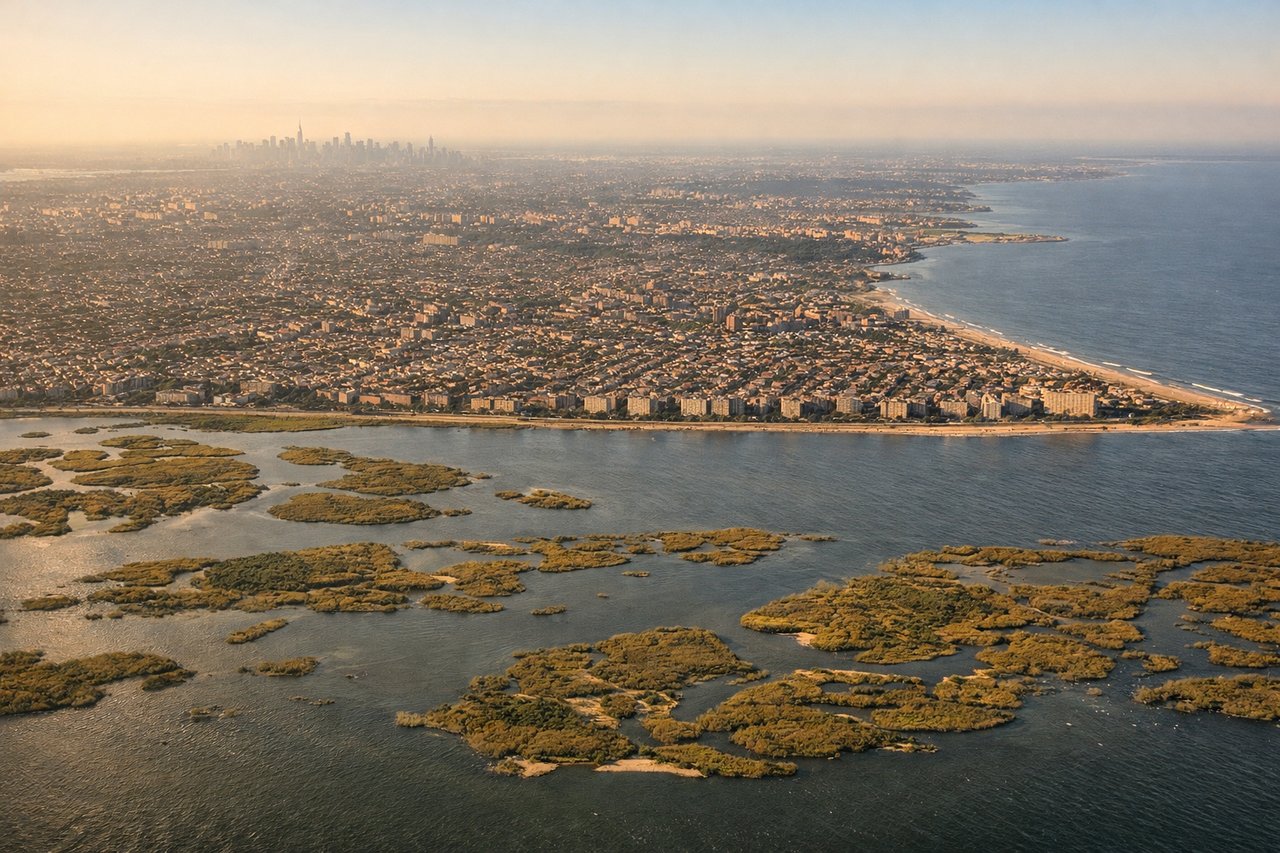
LEFTOn arrival into JFK from the Atlantic, flights commonly track over Long Island before turning to final approach, and left-side seats often catch a clear view of the Manhattan skyline and the harbor as the plane banks toward the runway. This urban payoff outweighs the mountain view on departure.
Landmarks on this routeAll landmarks →
Will your flight be in sunlight?
See exactly which side of the plane gets sun and shade at your departure time.
About This Route
Which side of the plane should I sit on flying from Barcelona (BCN) to John F Kennedy International (JFK)?
Sit on the Left side of the plane for the best views on flights from Barcelona to New York. While the right side offers a brief mountain view on departure, the left side wins overall thanks to the dramatic New York City skyline and harbor views during the final approach into JFK, a much stronger and more memorable payoff after hours over open ocean.
What can I see during takeoff from Barcelona in Barcelona?
During takeoff from Barcelona (BCN), sit on the Right side for the best views. Departing BCN, flights typically climb out over the Mediterranean before turning northwest toward France, giving right-side passengers a good look at the Pyrenees foothills and the Costa Brava coastline receding below. Left-side views are mostly open sea during this phase. Notable sights include: Costa Brava coastline, Pyrenees foothills, Barcelona's port and Montjuïc hill.
What can I see when landing at John F Kennedy International in New York?
When landing at John F Kennedy International (JFK), sit on the Left side for the best views. On arrival into JFK from the Atlantic, flights commonly track over Long Island before turning to final approach, and left-side seats often catch a clear view of the Manhattan skyline and the harbor as the plane banks toward the runway. This urban payoff outweighs the mountain view on departure. Notable sights include: Manhattan skyline, Verrazzano-Narrows Bridge, Jamaica Bay wetlands, Long Island coastline.
How long is the flight from Barcelona to New York?
The flight from Barcelona (BCN) to John F Kennedy International (JFK) takes 8h 30m.
What does the Barcelona to New York flight path pass over?
The majority of the flight crosses the North Atlantic Ocean, passing south of Ireland and near Newfoundland's coastal waters before making landfall over New England en route to New York.