During the long cruise phase, the great-circle route from Bangkok to Warsaw tracks north of the Himalayan foothills and across the high plateaus of western China and Kazakhstan before crossing the southern Ural Mountains — all features that sit to the south and west of the flight path, visible from the left side, giving that side more sustained terrain interest than the right, which mostly overlooks the flat Central Asian and Russian/Ukrainian plains.
Flight Path
Edges of the Tibetan Plateau and Tian Shan foothills, the steppes of Kazakhstan, the Volga River basin, and the southern Ural Mountains before descending over the Belarusian and Polish plains
Great circle distance and headings ›.jpg?width=600)


.jpg?width=600)


.jpg?width=600)


Phase by phase
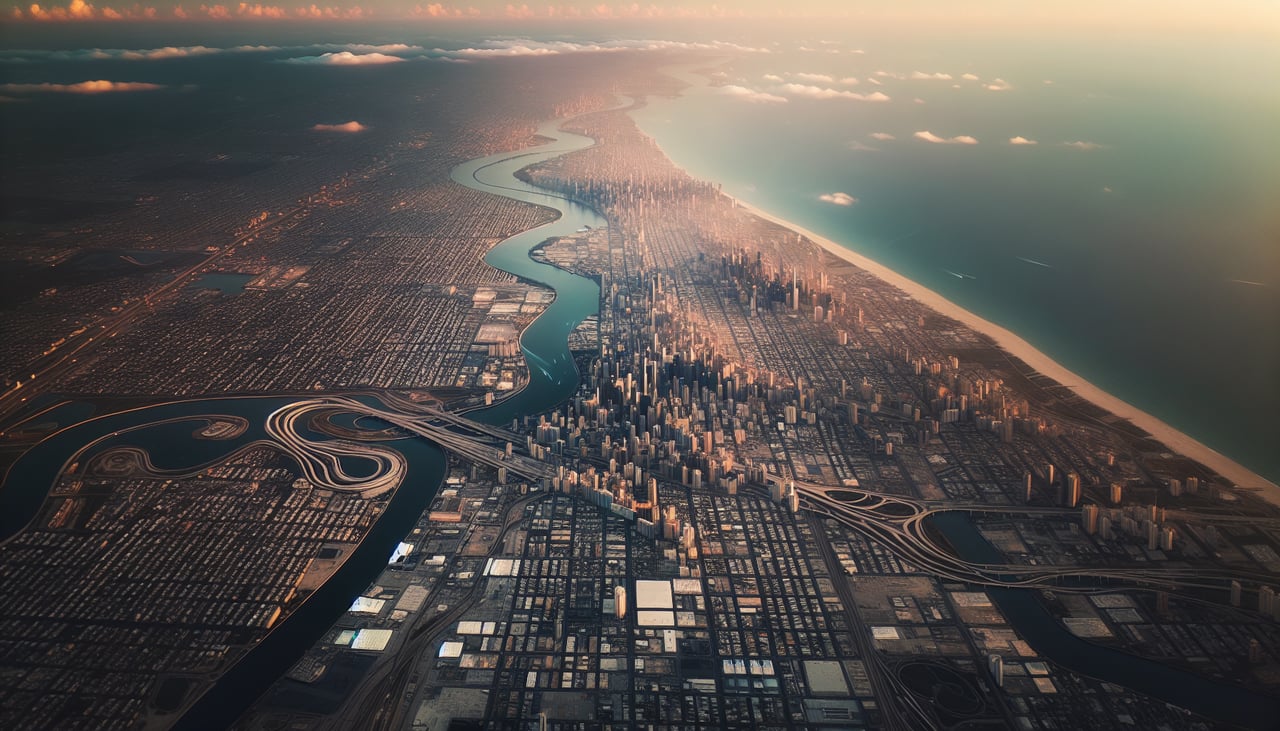
Takeoff from BKK
RIGHTDeparting Suvarnabhumi to the north, the aircraft's turn onto its northwesterly course puts Bangkok's dense skyline, the winding Chao Phraya River, and the sprawling canal-cut delta on the right side as the plane banks west toward Myanmar.
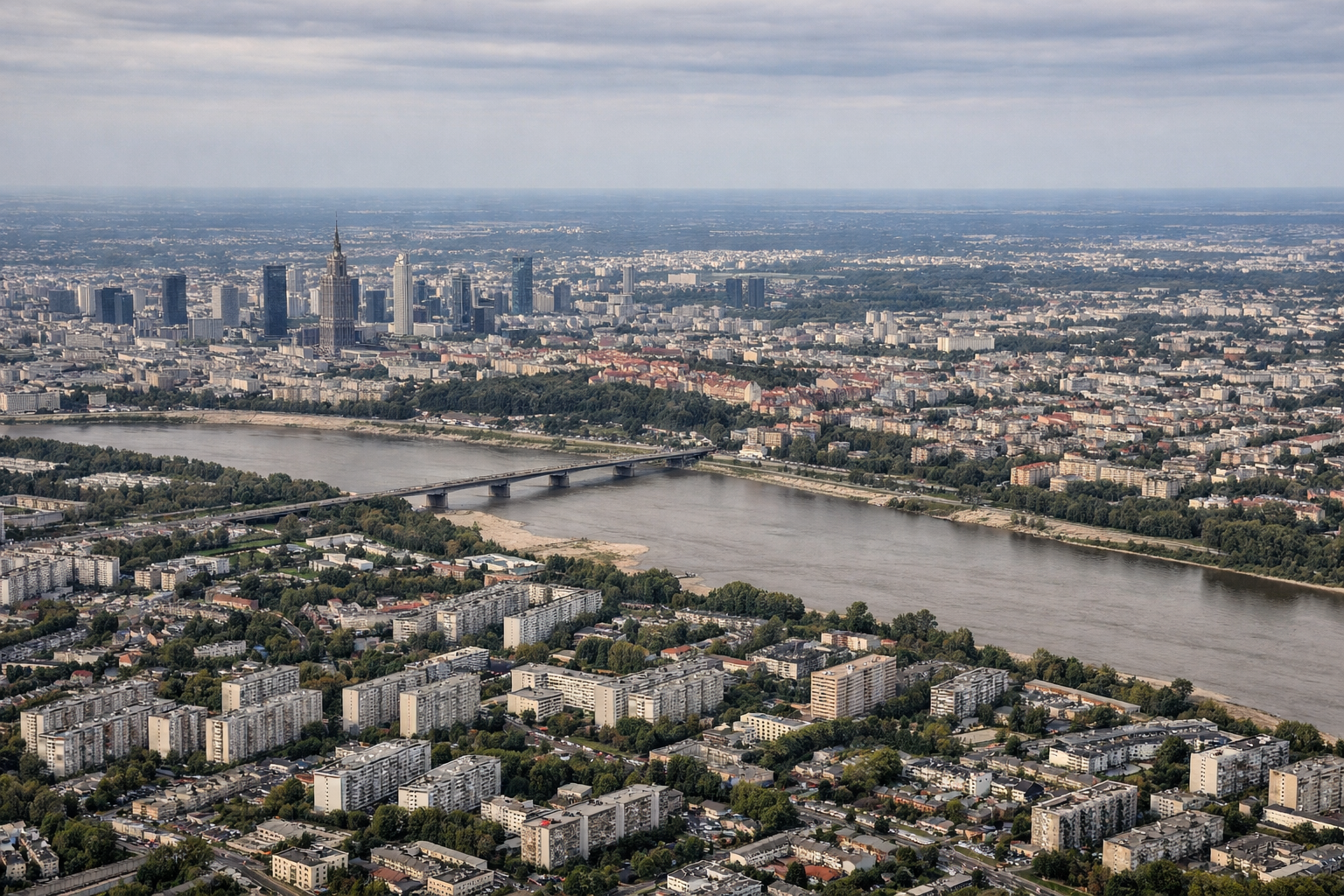
Landing at WAW
RIGHTOn approach to Okecie's runway 29 from the east, the final turn brings Warsaw's city center, the Vistula River, and the Palace of Culture skyline into view on the right side before the plane lines up for landing.
Landmarks on this routeAll landmarks →
Will your flight be in sunlight?
See exactly which side of the plane gets sun and shade at your departure time.
About This Route
Which side of the plane should I sit on flying from Suvarnabhumi Airport (BKK) to Okecie (WAW)?
Sit on the Left side of the plane for the best views on flights from Bangkok to Warsaw. During the long cruise phase, the great-circle route from Bangkok to Warsaw tracks north of the Himalayan foothills and across the high plateaus of western China and Kazakhstan before crossing the southern Ural Mountains — all features that sit to the south and west of the flight path, visible from the left side, giving that side more sustained terrain interest than the right, which mostly overlooks the flat Central Asian and Russian/Ukrainian plains.
What can I see during takeoff from Suvarnabhumi Airport in Bangkok?
During takeoff from Suvarnabhumi Airport (BKK), sit on the Right side for the best views. Departing Suvarnabhumi to the north, the aircraft's turn onto its northwesterly course puts Bangkok's dense skyline, the winding Chao Phraya River, and the sprawling canal-cut delta on the right side as the plane banks west toward Myanmar. Notable sights include: Chao Phraya River, central Bangkok skyline, Suvarnabhumi's canal network, Gulf of Thailand coastline in the distance.
What can I see when landing at Okecie in Warsaw?
When landing at Okecie (WAW), sit on the Right side for the best views. On approach to Okecie's runway 29 from the east, the final turn brings Warsaw's city center, the Vistula River, and the Palace of Culture skyline into view on the right side before the plane lines up for landing. Notable sights include: Vistula River, Warsaw city center skyline, Palace of Culture and Science, Praga district rooftops.
How long is the flight from Bangkok to Warsaw?
The flight from Suvarnabhumi Airport (BKK) to Okecie (WAW) takes 10h 50m.
What does the Bangkok to Warsaw flight path pass over?
Edges of the Tibetan Plateau and Tian Shan foothills, the steppes of Kazakhstan, the Volga River basin, and the southern Ural Mountains before descending over the Belarusian and Polish plains