The right side captures both the Nashville skyline during departure and the dramatic Rocky Mountain Front Range during descent into Denver, while the left side offers only flat farmland and plains for the entire flight.
Flight Path
Ozark Plateau of southern Missouri, Flint Hills and plains of Kansas, high plains of eastern Colorado
Great circle distance and headings ›Phase by phase
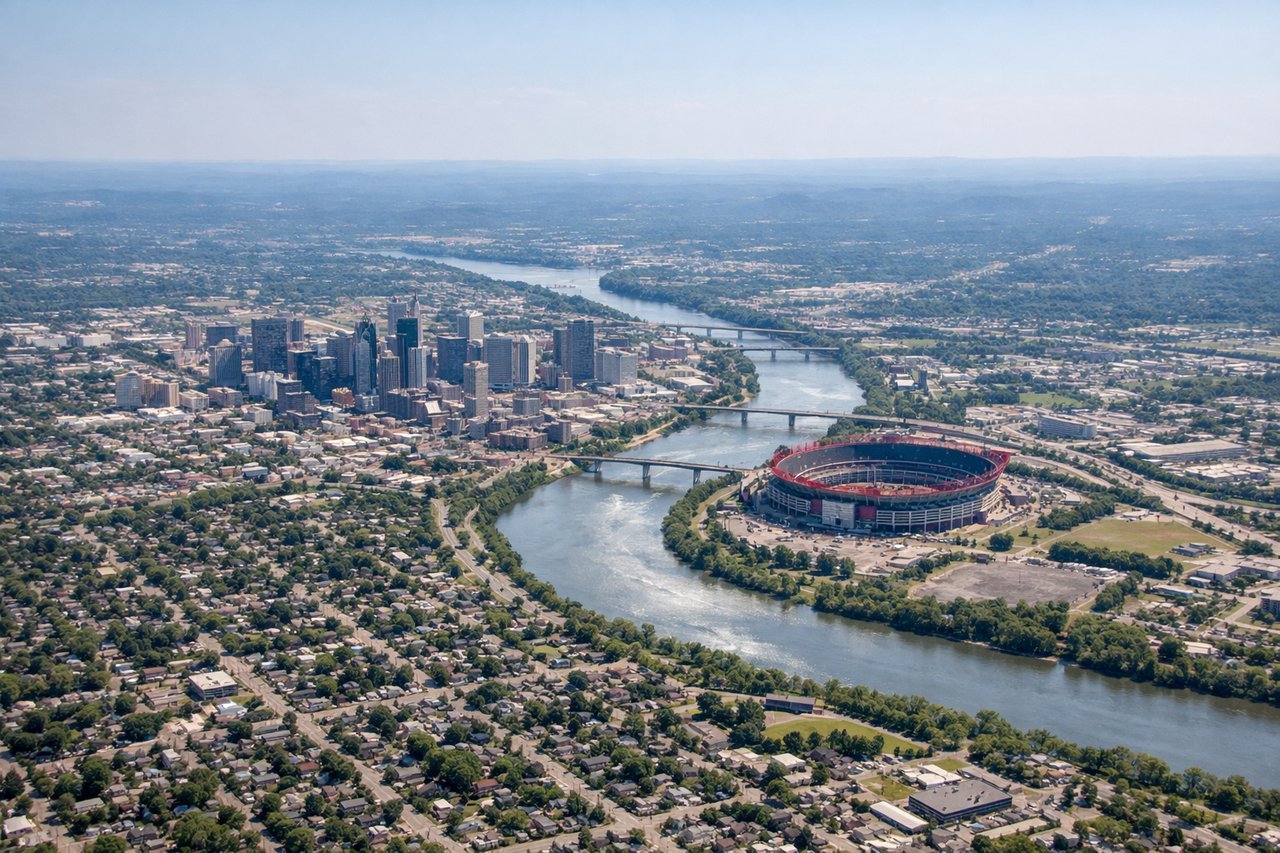
Takeoff from BNA
RIGHTWith prevailing south winds, BNA typically departs to the south on the 20-series runways before turning west toward Denver, putting downtown Nashville and the Cumberland River on the right side of the aircraft during the initial climb. The left side only shows suburban sprawl and farmland with no distinct landmarks.
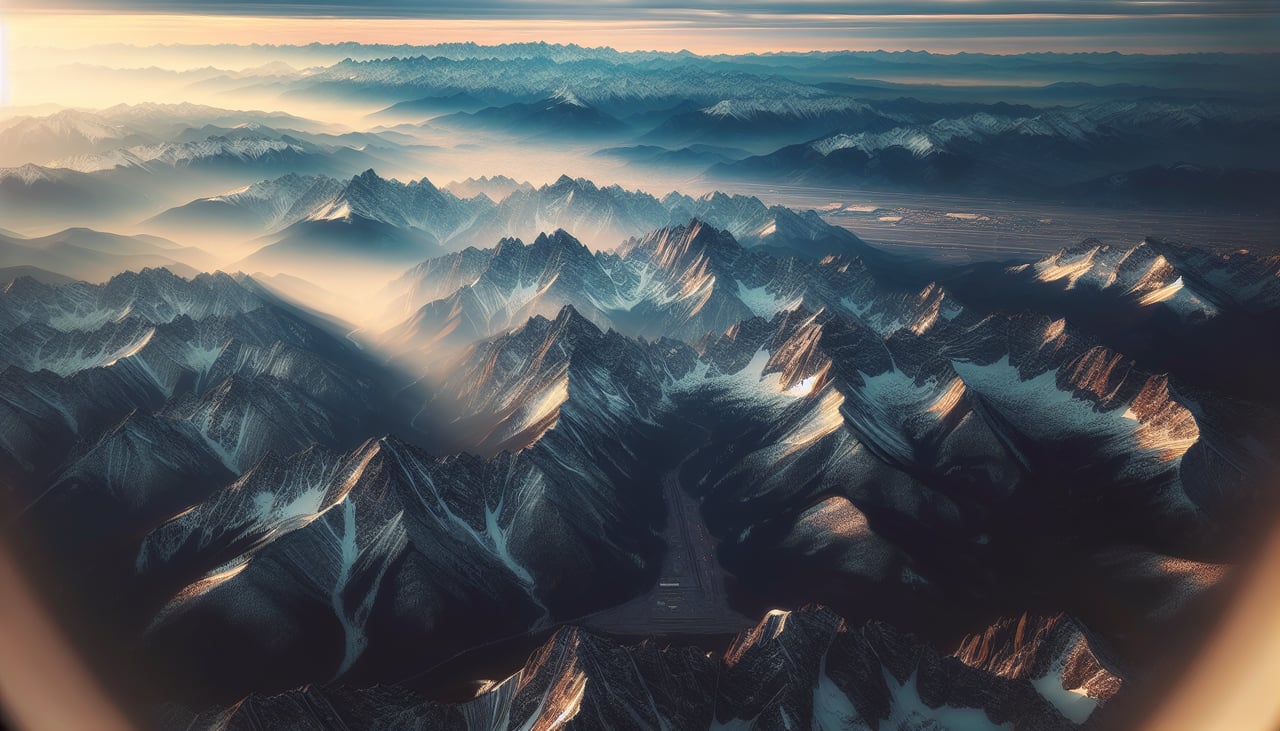
Landing at DEN
RIGHTArriving from the east, the Rocky Mountain Front Range becomes visible on the right side as the aircraft descends toward Denver's high plains, offering a dramatic mountain backdrop right up to landing. The left side faces only the flat eastern plains with no comparable terrain.
Landmarks on this routeAll landmarks →
Will your flight be in sunlight?
See exactly which side of the plane gets sun and shade at your departure time.
About This Route
Which side of the plane should I sit on flying from Nashville International (BNA) to Denver International (DEN)?
Sit on the Right side of the plane for the best views on flights from Nashville to Denver. The right side captures both the Nashville skyline during departure and the dramatic Rocky Mountain Front Range during descent into Denver, while the left side offers only flat farmland and plains for the entire flight.
What can I see during takeoff from Nashville International in Nashville?
During takeoff from Nashville International (BNA), sit on the Right side for the best views. With prevailing south winds, BNA typically departs to the south on the 20-series runways before turning west toward Denver, putting downtown Nashville and the Cumberland River on the right side of the aircraft during the initial climb. The left side only shows suburban sprawl and farmland with no distinct landmarks. Notable sights include: Downtown Nashville skyline, Cumberland River, Tennessee State Capitol, rolling Middle Tennessee farmland.
What can I see when landing at Denver International in Denver?
When landing at Denver International (DEN), sit on the Right side for the best views. Arriving from the east, the Rocky Mountain Front Range becomes visible on the right side as the aircraft descends toward Denver's high plains, offering a dramatic mountain backdrop right up to landing. The left side faces only the flat eastern plains with no comparable terrain. Notable sights include: Rocky Mountain Front Range, Denver metro skyline, South Platte River valley, high plains grassland.
How long is the flight from Nashville to Denver?
The flight from Nashville International (BNA) to Denver International (DEN) takes 2h 35m.
What does the Nashville to Denver flight path pass over?
Ozark Plateau of southern Missouri, Flint Hills and plains of Kansas, high plains of eastern Colorado