The left side wins on the strength of its bookends: a rare skyline view of downtown Boston during the harbor departure, and the iconic Mount Hood and Columbia Gorge scenery on approach into Portland, both more visually distinctive than the harbor/ocean views and Washington-side peaks visible from the right.
Flight Path
The route crosses the Great Lakes region near Lake Huron/Michigan, the flat farmland of the northern Great Plains in North Dakota, and the Rocky Mountains near Montana's Glacier National Park before crossing the Cascade Range into Oregon.
Great circle distance and headings ›.jpeg?width=600)


.jpg?width=600)

Phase by phase

Takeoff from BOS
LEFTBOS noise-abatement departures climb north over the harbor and then bank west toward the transcontinental route, swinging the left side of the cabin toward downtown Boston. Passengers get a sweeping view of the Financial District skyline, Back Bay, and the Charles River before the city falls away.
Landing at PDX
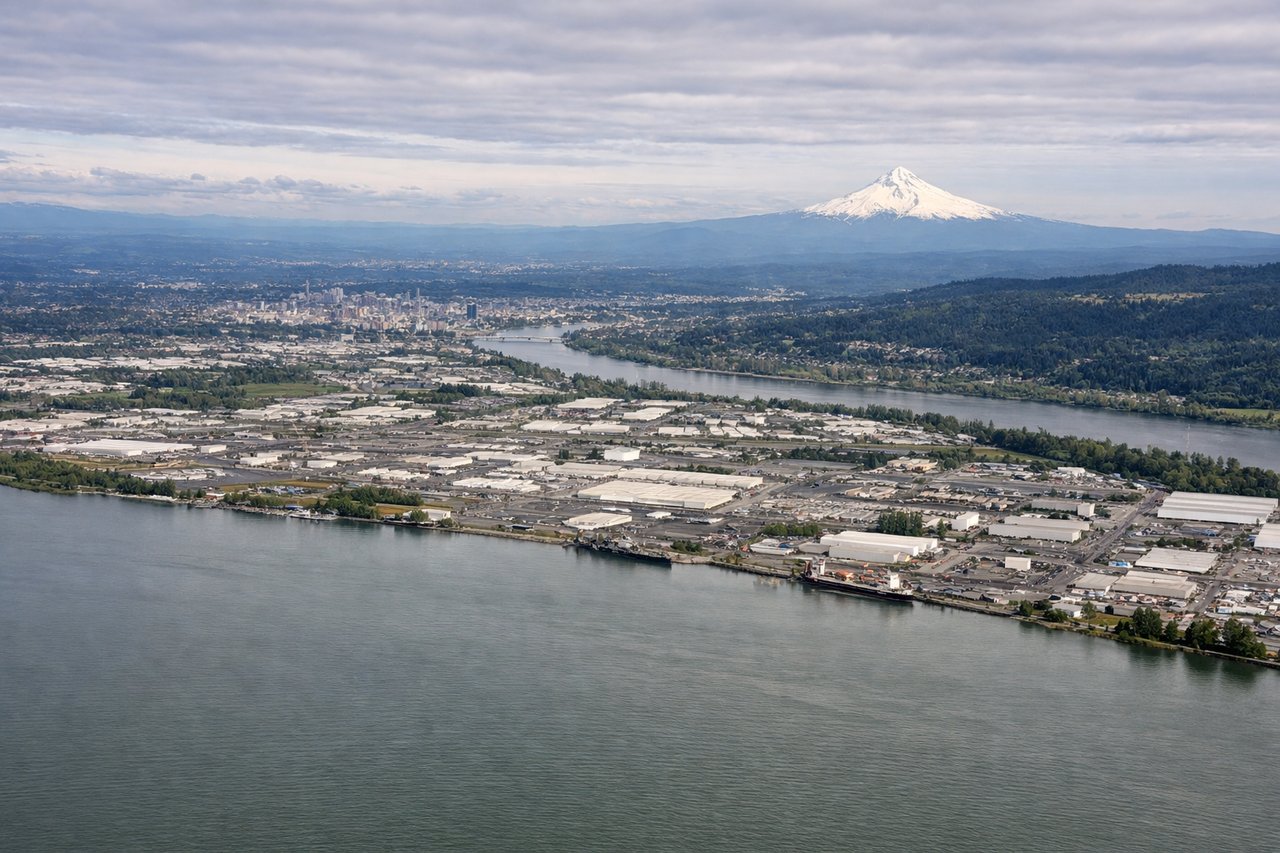
LEFTWith westerly winds, PDX arrivals typically descend from the east along the Columbia River Gorge before landing on the 28 runways heading west. That approach puts snow-capped Mount Hood directly off the left side, far more dramatic than the Washington-side view of Mount St. Helens and Adams.
Landmarks on this routeAll landmarks →
Will your flight be in sunlight?
See exactly which side of the plane gets sun and shade at your departure time.
About This Route
Which side of the plane should I sit on flying from General Edward Lawrence Logan International (BOS) to Portland International (PDX)?
Sit on the Left side of the plane for the best views on flights from Boston to Portland. The left side wins on the strength of its bookends: a rare skyline view of downtown Boston during the harbor departure, and the iconic Mount Hood and Columbia Gorge scenery on approach into Portland, both more visually distinctive than the harbor/ocean views and Washington-side peaks visible from the right.
What can I see during takeoff from General Edward Lawrence Logan International in Boston?
During takeoff from General Edward Lawrence Logan International (BOS), sit on the Left side for the best views. BOS noise-abatement departures climb north over the harbor and then bank west toward the transcontinental route, swinging the left side of the cabin toward downtown Boston. Passengers get a sweeping view of the Financial District skyline, Back Bay, and the Charles River before the city falls away. Notable sights include: Downtown Boston skyline, Charles River, Back Bay/Prudential Tower, Cambridge.
What can I see when landing at Portland International in Portland?
When landing at Portland International (PDX), sit on the Left side for the best views. With westerly winds, PDX arrivals typically descend from the east along the Columbia River Gorge before landing on the 28 runways heading west. That approach puts snow-capped Mount Hood directly off the left side, far more dramatic than the Washington-side view of Mount St. Helens and Adams. Notable sights include: Mount Hood, Columbia River Gorge, Columbia River, Willamette Valley farmland.
How long is the flight from Boston to Portland?
The flight from General Edward Lawrence Logan International (BOS) to Portland International (PDX) takes 6h 15m.
What does the Boston to Portland flight path pass over?
The route crosses the Great Lakes region near Lake Huron/Michigan, the flat farmland of the northern Great Plains in North Dakota, and the Rocky Mountains near Montana's Glacier National Park before crossing the Cascade Range into Oregon.