Right-side seats capture the most dramatic scenery: the Avila mountains and Caribbean coast during departure, followed by views of the Bahamas and the Straits of Florida during the approach to Miami. The left side offers strong landing views but less compelling departure scenery.
Flown CCS to MIA? Did we get it right?
Flight Path
Caracas to Miami is 1,363 miles (2,194 km), a flight of about 3 hours 15 minutes.
The flight path crosses the Caribbean Sea northwestward. Notable features include the Bahama Banks (shallow turquoise waters visible from altitude), the Cay Sal Bank, and the Berry Islands. The Bahamas archipelago presents a distinctive pattern of islands and shallow banks with bright turquoise water contrasting against deeper blue ocean. These features are typically visible from cruising altitude (around 25,000-30,000 feet) during the middle portion of the flight, appearing as a patchwork of islands and shallow water channels stretching across the frame.
Great circle distance and headings ›Phase by phase
Takeoff from CCS
RIGHTRight-side seats offer views of the Avila mountain range and the Caribbean coastline as the aircraft climbs northward from Caracas. The steep terrain and coastal geography provide immediate visual interest during the initial climb.
Landing at MIA
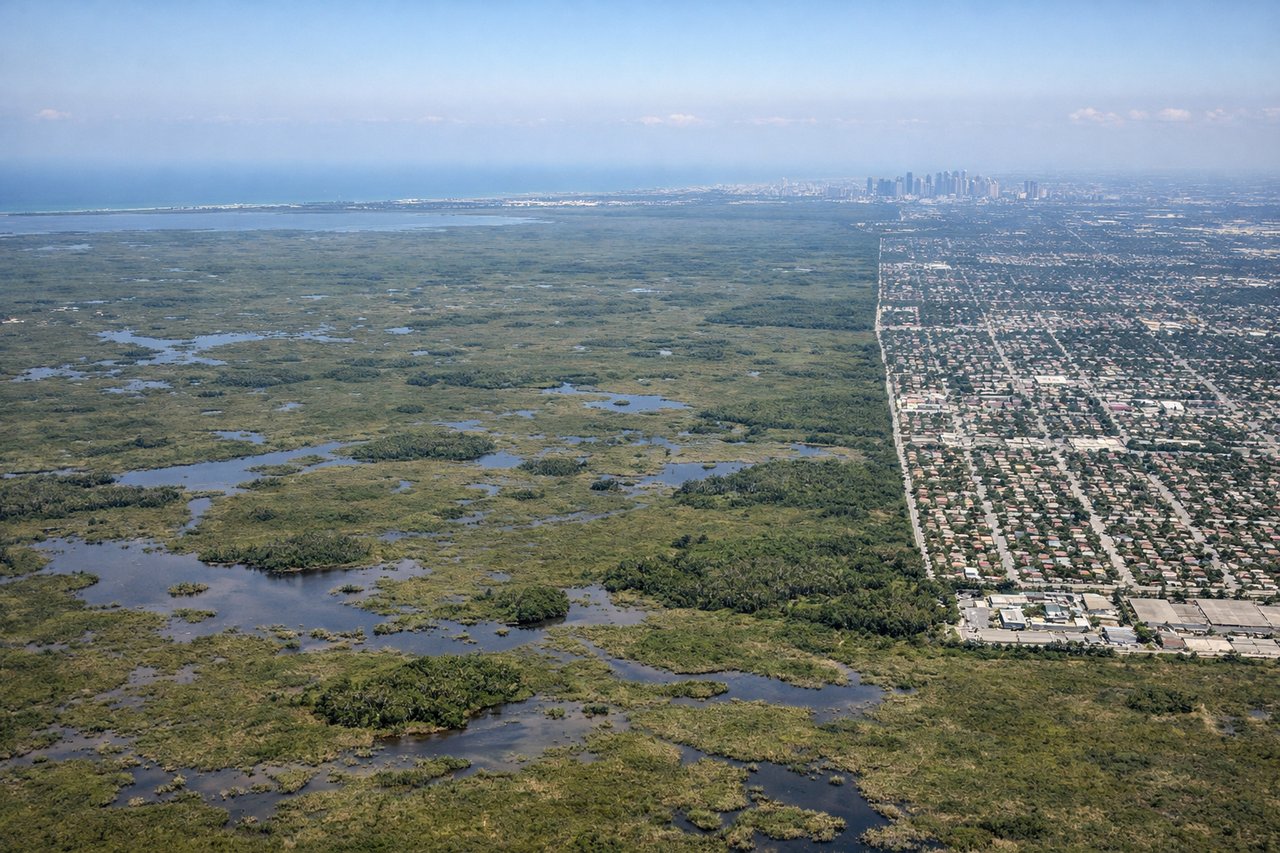
LEFTLeft-side seats provide excellent views of the Florida Keys and the shallow turquoise waters of the Straits of Florida during descent into Miami. The distinctive island chain and reef systems are visually striking and geographically iconic.
Will your flight be in sunlight?
Pick a date and time in the Sun Map to watch the sun move across your whole flight.
About This Route
Which side of the plane should I sit on flying from Simon Bolivar International (CCS) to Miami International (MIA)?
Sit on the Right side of the plane for the best views on flights from Caracas to Miami. Right-side seats capture the most dramatic scenery: the Avila mountains and Caribbean coast during departure, followed by views of the Bahamas and the Straits of Florida during the approach to Miami. The left side offers strong landing views but less compelling departure scenery.
What can I see during takeoff from Simon Bolivar International in Caracas?
During takeoff from Simon Bolivar International (CCS), sit on the Right side for the best views. Right-side seats offer views of the Avila mountain range and the Caribbean coastline as the aircraft climbs northward from Caracas. The steep terrain and coastal geography provide immediate visual interest during the initial climb. Notable sights include: Avila mountain range (north of Caracas), Caribbean Sea coastline, Margarita Island (visible at distance during climb), Orinoco River delta region to the east.
What can I see when landing at Miami International in Miami?
When landing at Miami International (MIA), sit on the Left side for the best views. Left-side seats provide excellent views of the Florida Keys and the shallow turquoise waters of the Straits of Florida during descent into Miami. The distinctive island chain and reef systems are visually striking and geographically iconic. Notable sights include: Florida Keys archipelago, Straits of Florida (shallow turquoise waters), Biscayne Bay, Miami metropolitan area.
How long is the flight from Caracas to Miami?
The flight from Simon Bolivar International (CCS) to Miami International (MIA) takes about 3 hours 15 minutes. The shortest flight path between them is 1,363 miles (2,194 km); winds and air traffic control usually add a few percent.
What does the Caracas to Miami flight path pass over?
The flight path crosses the Caribbean Sea northwestward. Notable features include the Bahama Banks (shallow turquoise waters visible from altitude), the Cay Sal Bank, and the Berry Islands. The Bahamas archipelago presents a distinctive pattern of islands and shallow banks with bright turquoise water contrasting against deeper blue ocean. These features are typically visible from cruising altitude (around 25,000-30,000 feet) during the middle portion of the flight, appearing as a patchwork of islands and shallow water channels stretching across the frame.