Christchurch to Melbourne is 1,500 miles (2,414 km), a flight of about 3 hours 20 minutes.
The left side wins overall because the Southern Alps departure is a genuinely spectacular, landmark-dense sequence that outweighs the mostly featureless Tasman Sea crossing shared by both sides, even though the right side edges out the bay-and-skyline arrival into Melbourne.
Flight Path
Open Tasman Sea with no visible landmarks for roughly two and a half hours between the South Island coastline and the southeastern Australian coast near Wilsons Promontory.
Great circle distance and headings ›

.JPG?width=600)
Phase by phase
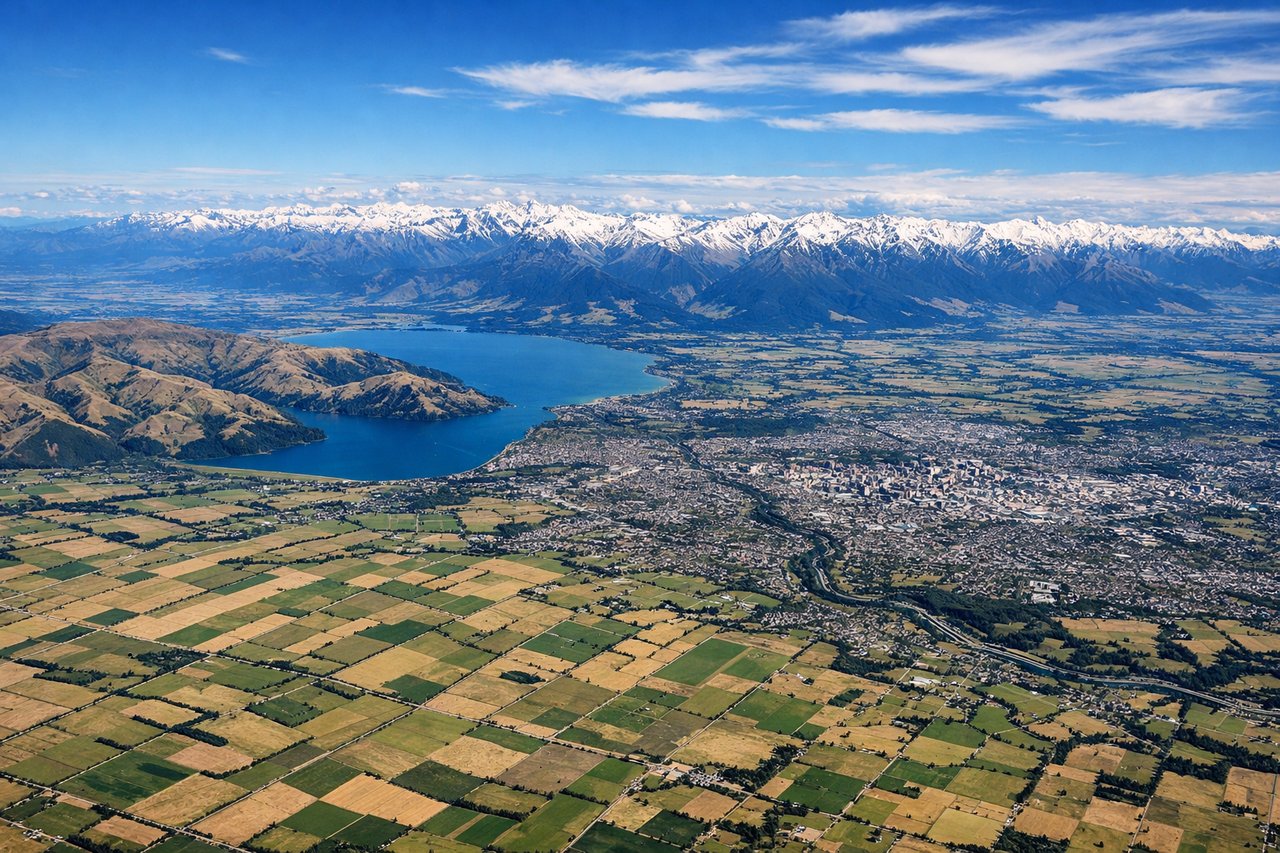
Takeoff from CHC
LEFTDeparting Christchurch on runway 02, the aircraft banks left onto its westbound track toward Australia, putting the Canterbury Plains and the snow-capped Southern Alps directly under the left wing during climb-out. Aoraki/Mount Cook sits almost exactly on this heading, making for a dramatic alpine send-off rarely matched on trans-Tasman routes.
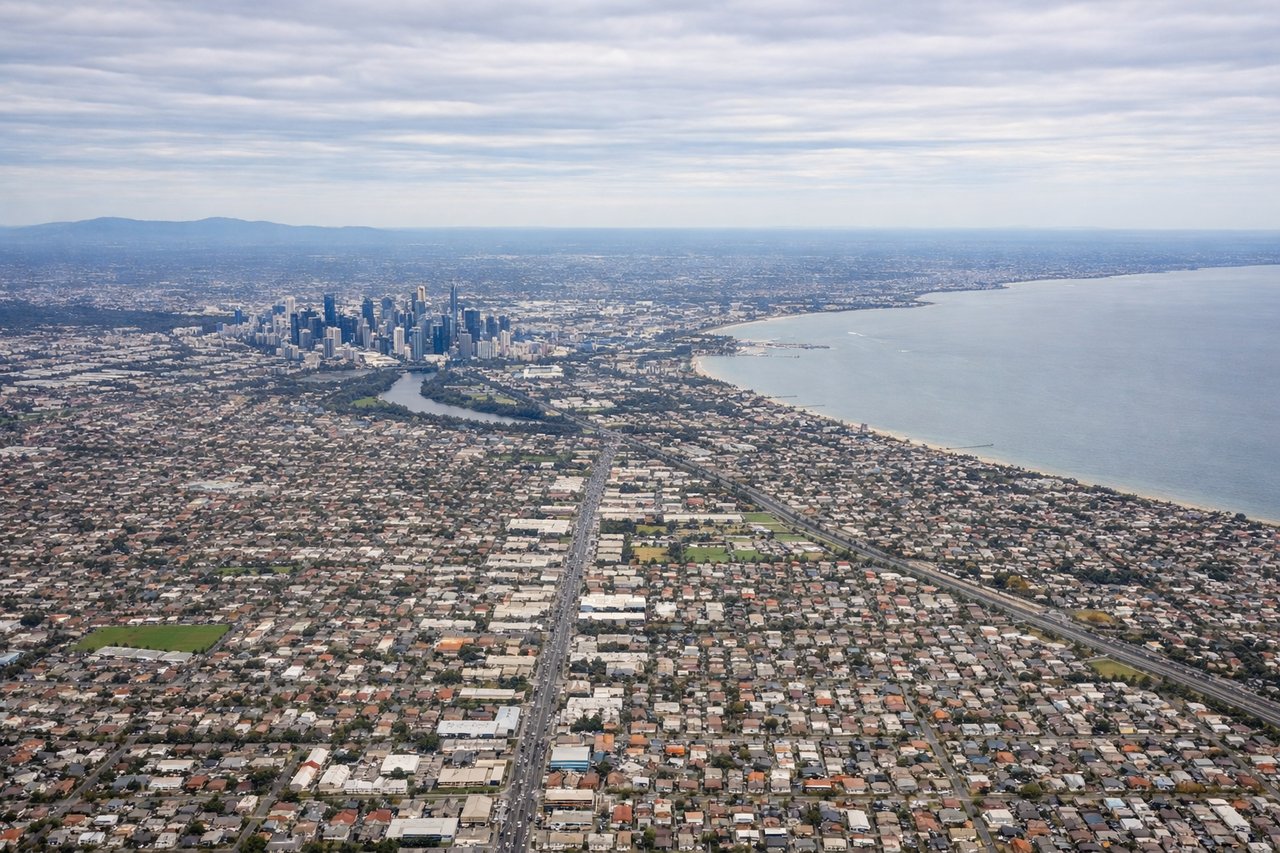
Landing at MEL
RIGHTOn the typical southerly approach into Melbourne for runway 34, the aircraft tracks north up Port Phillip Bay, putting the city's CBD skyline and Docklands towers on the right side of the aircraft as it lines up for final. The left side mostly faces the quieter Bellarine Peninsula and open bay water.
Landmarks on this routeAll landmarks →
Will your flight be in sunlight?
Pick a date and time in the Sun Map to watch the sun move across your whole flight.
About This Route
Which side of the plane should I sit on flying from Christchurch International (CHC) to Melbourne International (MEL)?
Sit on the Left side of the plane for the best views on flights from Christchurch to Melbourne. The left side wins overall because the Southern Alps departure is a genuinely spectacular, landmark-dense sequence that outweighs the mostly featureless Tasman Sea crossing shared by both sides, even though the right side edges out the bay-and-skyline arrival into Melbourne.
What can I see during takeoff from Christchurch International in Christchurch?
During takeoff from Christchurch International (CHC), sit on the Left side for the best views. Departing Christchurch on runway 02, the aircraft banks left onto its westbound track toward Australia, putting the Canterbury Plains and the snow-capped Southern Alps directly under the left wing during climb-out. Aoraki/Mount Cook sits almost exactly on this heading, making for a dramatic alpine send-off rarely matched on trans-Tasman routes. Notable sights include: Aoraki/Mount Cook, Southern Alps ridgeline, braided Rakaia and Waimakariri riverbeds, Canterbury Plains patchwork farmland.
What can I see when landing at Melbourne International in Melbourne?
When landing at Melbourne International (MEL), sit on the Right side for the best views. On the typical southerly approach into Melbourne for runway 34, the aircraft tracks north up Port Phillip Bay, putting the city's CBD skyline and Docklands towers on the right side of the aircraft as it lines up for final. The left side mostly faces the quieter Bellarine Peninsula and open bay water. Notable sights include: Port Phillip Bay, Melbourne CBD skyline, Docklands towers, mouth of the Yarra River.
How long is the flight from Christchurch to Melbourne?
The flight from Christchurch International (CHC) to Melbourne International (MEL) takes about 3 hours 20 minutes. The shortest flight path between them is 1,500 miles (2,414 km); winds and air traffic control usually add a few percent.
What does the Christchurch to Melbourne flight path pass over?
Open Tasman Sea with no visible landmarks for roughly two and a half hours between the South Island coastline and the southeastern Australian coast near Wilsons Promontory.