While the takeoff from Cobija offers some jungle and river scenery, the landing approach into London provides far more visually distinctive and recognizable landmarks. The Thames estuary, London's urban geography, and the approach corridor over southern England offer substantially more varied and impressive views than the relatively uniform Amazon Basin.
Flown CIJ to LHR? Did we get it right?
Flight Path
Cobija to London is 5,917 miles (9,523 km), a flight of about 13 hours 30 minutes.
This route typically involves routing northeast across the Atlantic. Notable features along the actual flight path include: the Caribbean coast and islands (if routed through northern South America), the Atlantic Ocean crossing with no visible landmarks for 6-8 hours, the Azores or Iberian Peninsula (depending on routing), the Bay of Biscay, and the English Channel before final approach to London. The majority of the flight crosses open ocean with no scenic landmarks visible.
Great circle distance and headings ›


Phase by phase
Takeoff from CIJ
LEFTLeft side offers views of the Acre River and the Amazon Basin's dense forest canopy as the aircraft climbs northwestward from Cobija. The river system creates visible linear patterns through the jungle that are distinctive during initial climb.
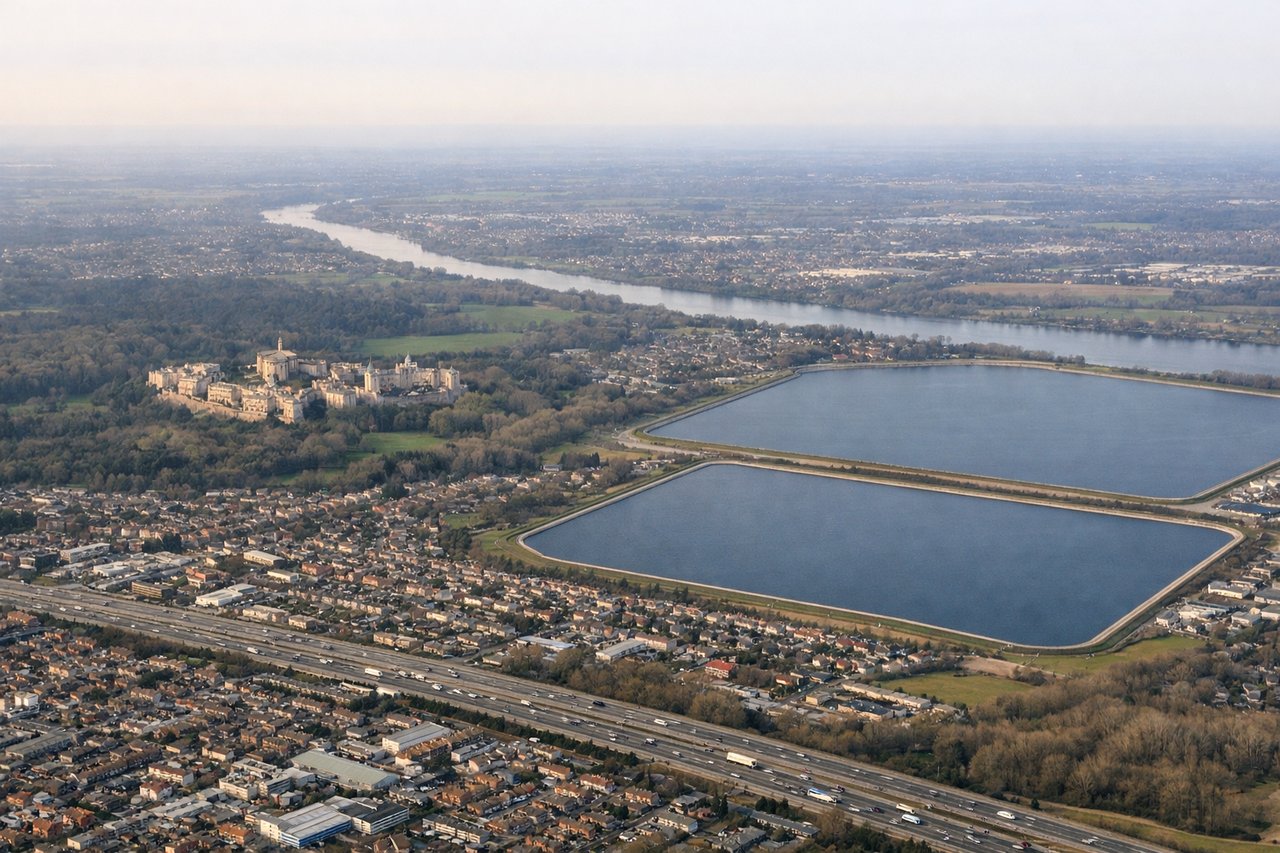
Landing at LHR
RIGHTRight side provides views during descent into London as the aircraft approaches from the southwest. You'll see the Thames estuary, Greater London's urban sprawl, and the distinctive pattern of London's suburbs and the city center before final approach to Heathrow.
Will your flight be in sunlight?
Pick a date and time in the Sun Map to watch the sun move across your whole flight.
About This Route
Which side of the plane should I sit on flying from Capitan Anibal Arab (CIJ) to Heathrow (LHR)?
Sit on the Right side of the plane for the best views on flights from Cobija to London. While the takeoff from Cobija offers some jungle and river scenery, the landing approach into London provides far more visually distinctive and recognizable landmarks. The Thames estuary, London's urban geography, and the approach corridor over southern England offer substantially more varied and impressive views than the relatively uniform Amazon Basin.
What can I see during takeoff from Capitan Anibal Arab in Cobija?
During takeoff from Capitan Anibal Arab (CIJ), sit on the Left side for the best views. Left side offers views of the Acre River and the Amazon Basin's dense forest canopy as the aircraft climbs northwestward from Cobija. The river system creates visible linear patterns through the jungle that are distinctive during initial climb. Notable sights include: Acre River, Amazon Basin rainforest canopy, Brazil-Bolivia border region, Rio Branco city area (visible at distance).
What can I see when landing at Heathrow in London?
When landing at Heathrow (LHR), sit on the Right side for the best views. Right side provides views during descent into London as the aircraft approaches from the southwest. You'll see the Thames estuary, Greater London's urban sprawl, and the distinctive pattern of London's suburbs and the city center before final approach to Heathrow. Notable sights include: Thames estuary and river bends, Greater London urban area, Windsor Castle area, Heathrow Airport and surrounding motorway network.
How long is the flight from Cobija to London?
The flight from Capitan Anibal Arab (CIJ) to Heathrow (LHR) takes about 13 hours 30 minutes. The shortest flight path between them is 5,917 miles (9,523 km); winds and air traffic control usually add a few percent.
What does the Cobija to London flight path pass over?
This route typically involves routing northeast across the Atlantic. Notable features along the actual flight path include: the Caribbean coast and islands (if routed through northern South America), the Atlantic Ocean crossing with no visible landmarks for 6-8 hours, the Azores or Iberian Peninsula (depending on routing), the Bay of Biscay, and the English Channel before final approach to London. The majority of the flight crosses open ocean with no scenic landmarks visible.