While landing offers dramatic Thames and Docklands views from the left, the takeoff from Colombo provides more sustained scenic interest—the Indian Ocean coastline, harbor infrastructure, and the transition from tropical urban development to agricultural plains are visually distinctive and occupy a longer viewing window during climb-out. Right-side seats capture the more dramatic geography overall.
Flight Path
The flight path crosses the Arabian Sea and the Middle East, passing over or near the Oman coastline and the Persian Gulf region. Depending on routing, aircraft may pass over parts of Iran, Iraq, or Turkey. The Taurus Mountains in southern Turkey and the Anatolian Plateau are potential midpoint features. The flight then crosses the Mediterranean, potentially over Greece or southern Italy, before heading northwest toward the UK. The Alps may be visible during the final approach to northern Europe, though routing varies. The North Sea is crossed during descent into London.
Great circle distance and headings ›.jpeg?width=600)

.jpg?width=600)
.jpg?width=600)

.jpeg?width=600)
Phase by phase
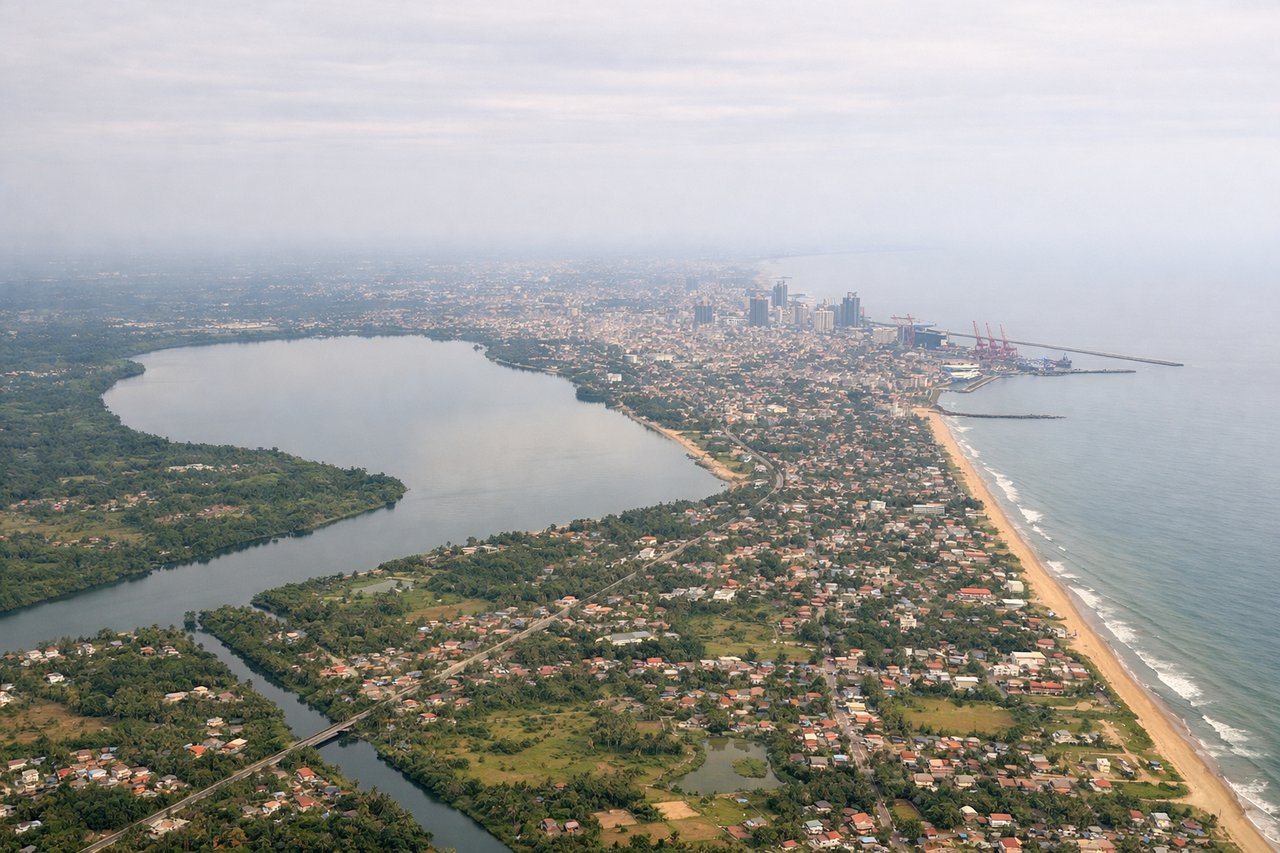
Takeoff from CMB
RIGHTRight-side seats offer views of the southwestern approach corridor from Colombo, capturing the Indian Ocean coastline and the city's western suburbs as the aircraft climbs. The flight typically departs to the southwest before turning northwest, making right windows ideal for coastal scenery during the initial climb.
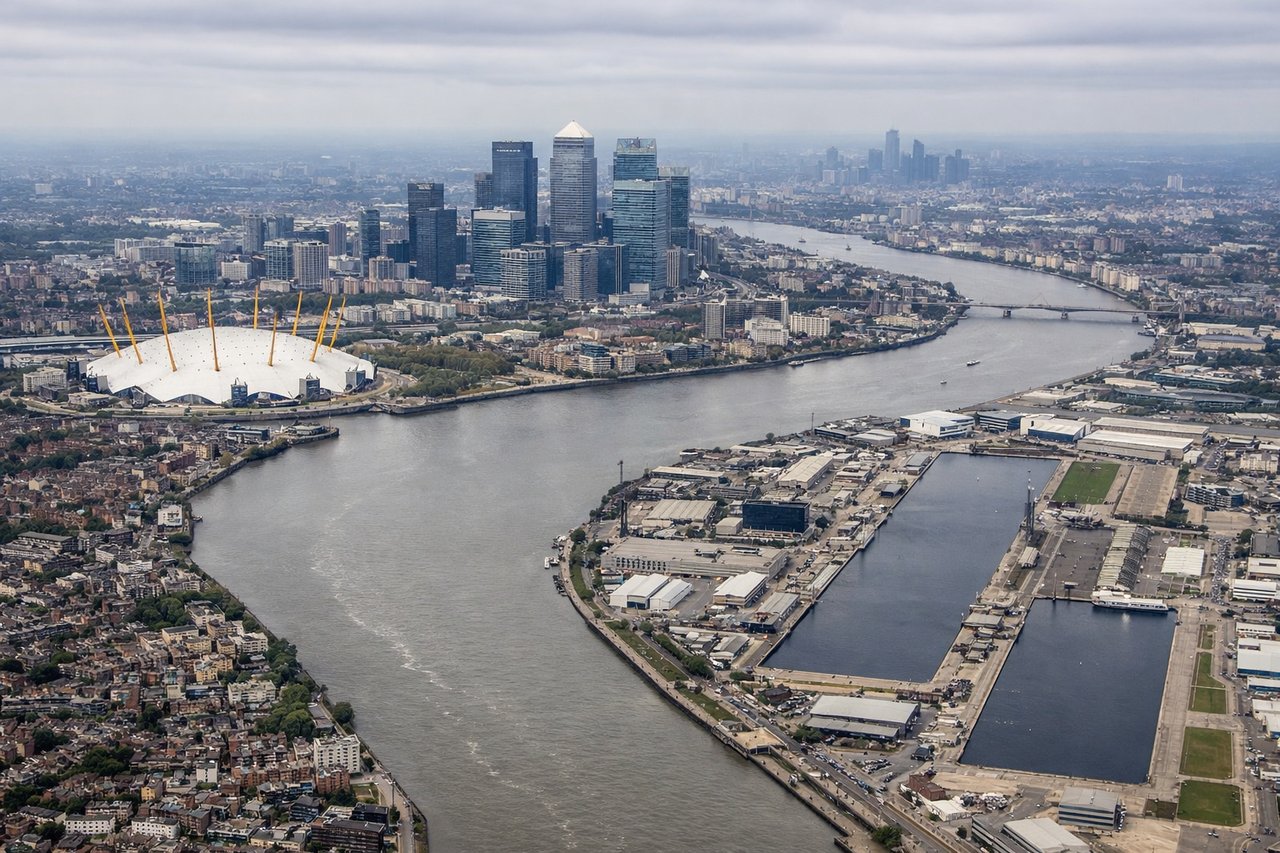
Landing at LCY
LEFTLeft-side seats provide excellent views during the descent and approach into London City Airport. The flight path typically descends over the Thames estuary and follows the river inland, with left windows capturing the winding Thames, the Docklands skyline, and the final approach over East London's distinctive urban geometry.
Landmarks on this routeAll landmarks →
Will your flight be in sunlight?
See exactly which side of the plane gets sun and shade at your departure time.
About This Route
Which side of the plane should I sit on flying from Bandaranaike International (CMB) to City (LCY)?
Sit on the Right side of the plane for the best views on flights from Colombo to London. While landing offers dramatic Thames and Docklands views from the left, the takeoff from Colombo provides more sustained scenic interest—the Indian Ocean coastline, harbor infrastructure, and the transition from tropical urban development to agricultural plains are visually distinctive and occupy a longer viewing window during climb-out. Right-side seats capture the more dramatic geography overall.
What can I see during takeoff from Bandaranaike International in Colombo?
During takeoff from Bandaranaike International (CMB), sit on the Right side for the best views. Right-side seats offer views of the southwestern approach corridor from Colombo, capturing the Indian Ocean coastline and the city's western suburbs as the aircraft climbs. The flight typically departs to the southwest before turning northwest, making right windows ideal for coastal scenery during the initial climb. Notable sights include: Colombo Harbor and Port City development, Indian Ocean coastline extending south toward Negombo Lagoon, Colombo city grid and high-rise district, southwestern suburban sprawl fading into agricultural plains.
What can I see when landing at City in London?
When landing at City (LCY), sit on the Left side for the best views. Left-side seats provide excellent views during the descent and approach into London City Airport. The flight path typically descends over the Thames estuary and follows the river inland, with left windows capturing the winding Thames, the Docklands skyline, and the final approach over East London's distinctive urban geometry. Notable sights include: River Thames with its distinctive meanders through London, Canary Wharf and Docklands tower cluster, London City Airport runway and surrounding Isle of Dogs, East London urban sprawl extending to the horizon.
How long is the flight from Colombo to London?
The flight from Bandaranaike International (CMB) to City (LCY) takes 9h 15m.
What does the Colombo to London flight path pass over?
The flight path crosses the Arabian Sea and the Middle East, passing over or near the Oman coastline and the Persian Gulf region. Depending on routing, aircraft may pass over parts of Iran, Iraq, or Turkey. The Taurus Mountains in southern Turkey and the Anatolian Plateau are potential midpoint features. The flight then crosses the Mediterranean, potentially over Greece or southern Italy, before heading northwest toward the UK. The Alps may be visible during the final approach to northern Europe, though routing varies. The North Sea is crossed during descent into London.