The right side edges ahead due to the scenic Colombo coastal departure, while both sides share the long ocean crossing and Australian desert overflight equally; the left side's advantage is confined mainly to the final approach into Melbourne.
Flown CMB to MEB? Did we get it right?
Flight Path
Colombo to Melbourne is 5,198 miles (8,365 km), a flight of about 10 hours 15 minutes.
Vast open Indian Ocean, possible distant sighting of Cocos (Keeling) Islands, then landfall over Western Australia's arid coastline near Ningaloo Reef before crossing the red desert interior toward Victoria.
Great circle distance and headings ›Phase by phase
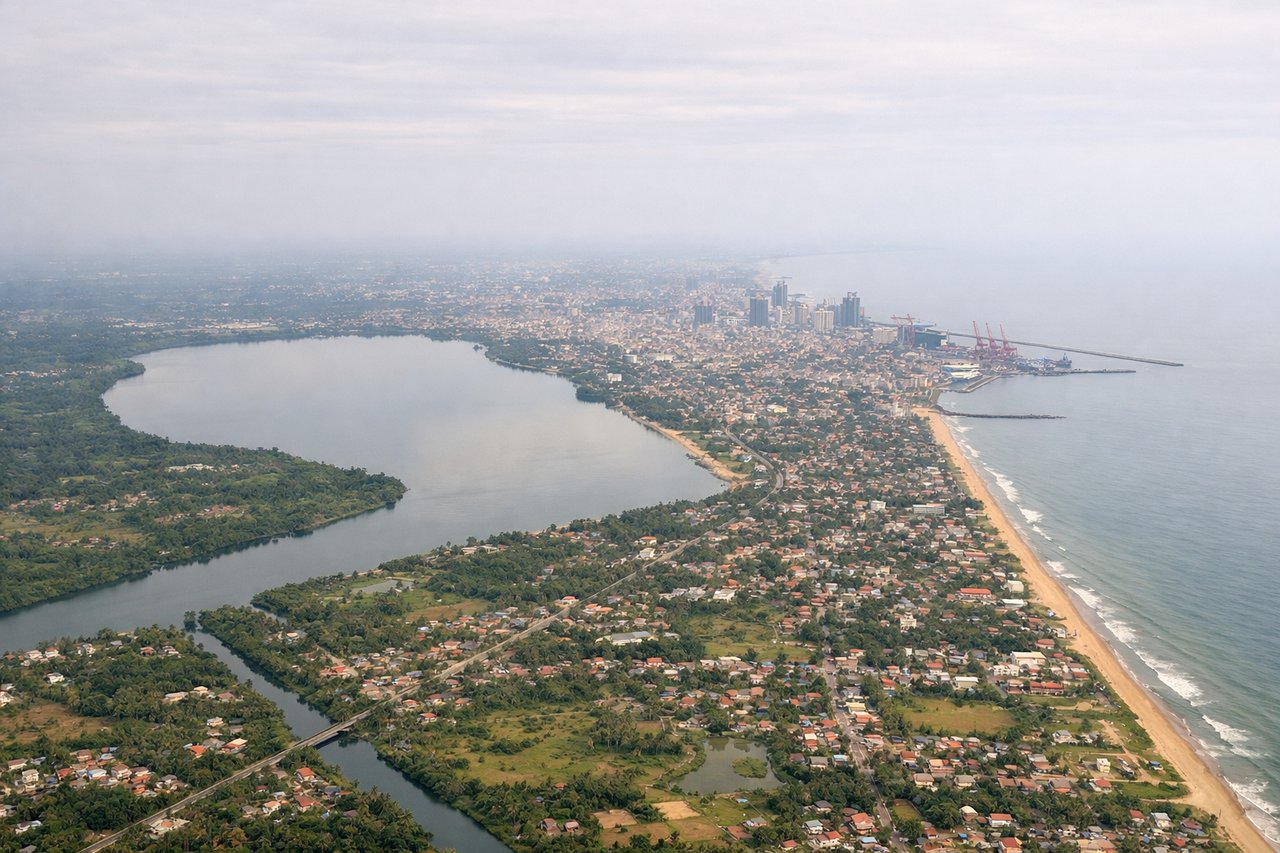
Takeoff from CMB
RIGHTDeparting CMB, the climb-out gives right-side passengers a view of Colombo's coastline and harbor as the aircraft turns to head southeast over the Indian Ocean. Left-side passengers briefly see Sri Lanka's central highlands recede before the long ocean crossing begins.
Landing at MEB
LEFTOn approach into Melbourne Essendon, the aircraft typically turns from a northerly track onto final for runway 26, giving left-side passengers a sweeping view of Port Phillip Bay and the Melbourne CBD skyline before touchdown. The right side mostly faces open farmland with no distinct landmarks.
Will your flight be in sunlight?
Pick a date and time in the Sun Map to watch the sun move across your whole flight.
About This Route
Which side of the plane should I sit on flying from Bandaranaike International (CMB) to Melbourne Essendon (MEB)?
Sit on the Right side of the plane for the best views on flights from Colombo to Melbourne. The right side edges ahead due to the scenic Colombo coastal departure, while both sides share the long ocean crossing and Australian desert overflight equally; the left side's advantage is confined mainly to the final approach into Melbourne.
What can I see during takeoff from Bandaranaike International in Colombo?
During takeoff from Bandaranaike International (CMB), sit on the Right side for the best views. Departing CMB, the climb-out gives right-side passengers a view of Colombo's coastline and harbor as the aircraft turns to head southeast over the Indian Ocean. Left-side passengers briefly see Sri Lanka's central highlands recede before the long ocean crossing begins. Notable sights include: Colombo harbor, Sri Lanka's western coastline, Adam's Peak (distant, hazy), Indian Ocean horizon.
What can I see when landing at Melbourne Essendon in Melbourne?
When landing at Melbourne Essendon (MEB), sit on the Left side for the best views. On approach into Melbourne Essendon, the aircraft typically turns from a northerly track onto final for runway 26, giving left-side passengers a sweeping view of Port Phillip Bay and the Melbourne CBD skyline before touchdown. The right side mostly faces open farmland with no distinct landmarks. Notable sights include: Port Phillip Bay, Melbourne CBD skyline, Yarra River delta, Westgate Bridge.
How long is the flight from Colombo to Melbourne?
The flight from Bandaranaike International (CMB) to Melbourne Essendon (MEB) takes about 10 hours 15 minutes. The shortest flight path between them is 5,198 miles (8,365 km); winds and air traffic control usually add a few percent.
What does the Colombo to Melbourne flight path pass over?
Vast open Indian Ocean, possible distant sighting of Cocos (Keeling) Islands, then landfall over Western Australia's arid coastline near Ningaloo Reef before crossing the red desert interior toward Victoria.