While takeoff offers interesting coastal views on the right, the landing approach on the left provides more dramatic and varied scenery—Port Phillip Bay, the Dandenong Ranges, and Melbourne's urban landscape create a more compelling visual sequence. The left side captures the geographic transition into Australia's second-largest city.
Flight Path
The flight path crosses the Indian Ocean for roughly 4,000 nautical miles. Notable features along the route include the Chagos Archipelago (visible around 6-7 hours into flight if flying the southern route), the Maldives area (if taking a more northern routing), and the vast open ocean with occasional weather systems. As the aircraft approaches Australia, the Great Australian Bight becomes visible, followed by the Australian coastline near South Australia. The flight typically passes over or near Tasmania before descending into Melbourne.
Great circle distance and headings ›Phase by phase
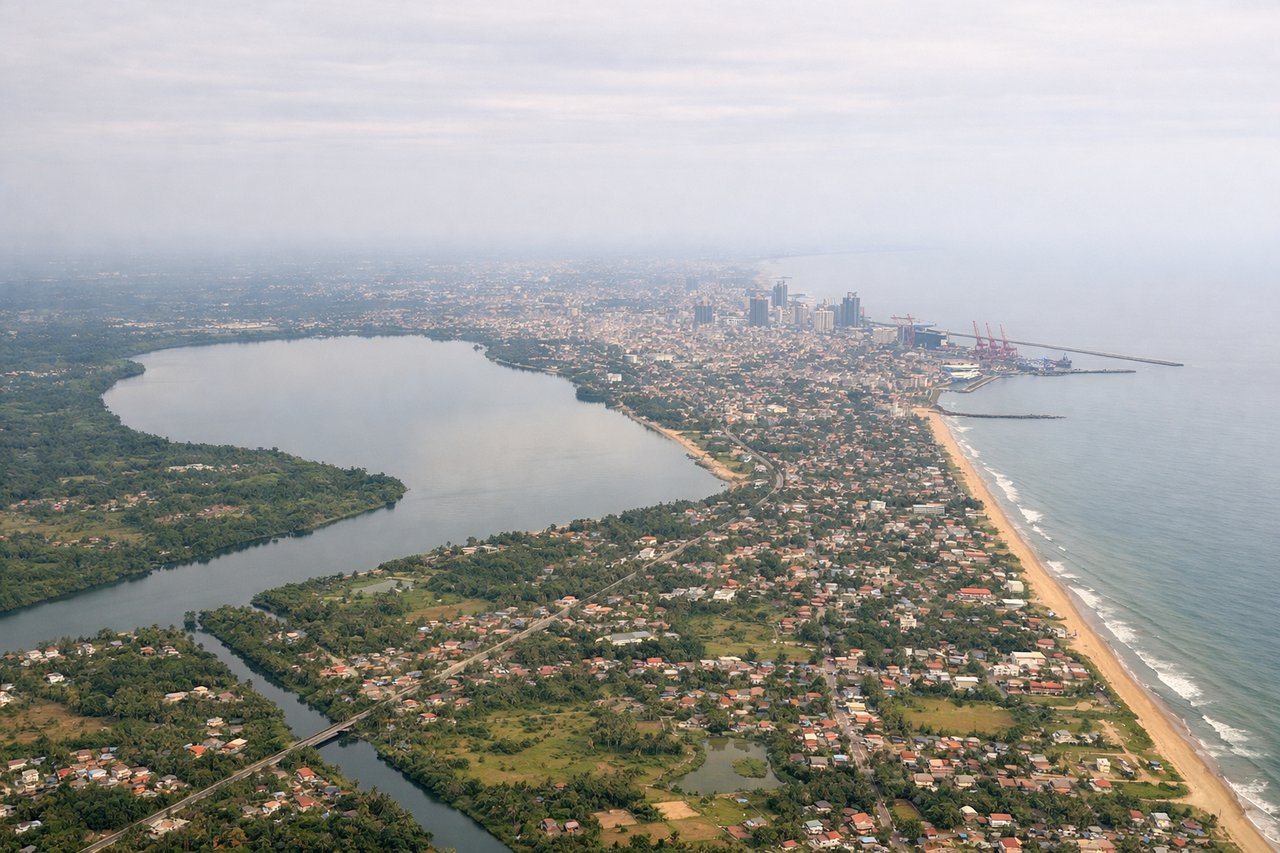
Takeoff from CMB
RIGHTRight-side seats offer views of the southwestern coast of Sri Lanka during the initial climb-out from Colombo. You'll see the Indian Ocean, coastal towns, and the terrain transitioning from urban to rural as the aircraft banks southward on its typical departure routing.
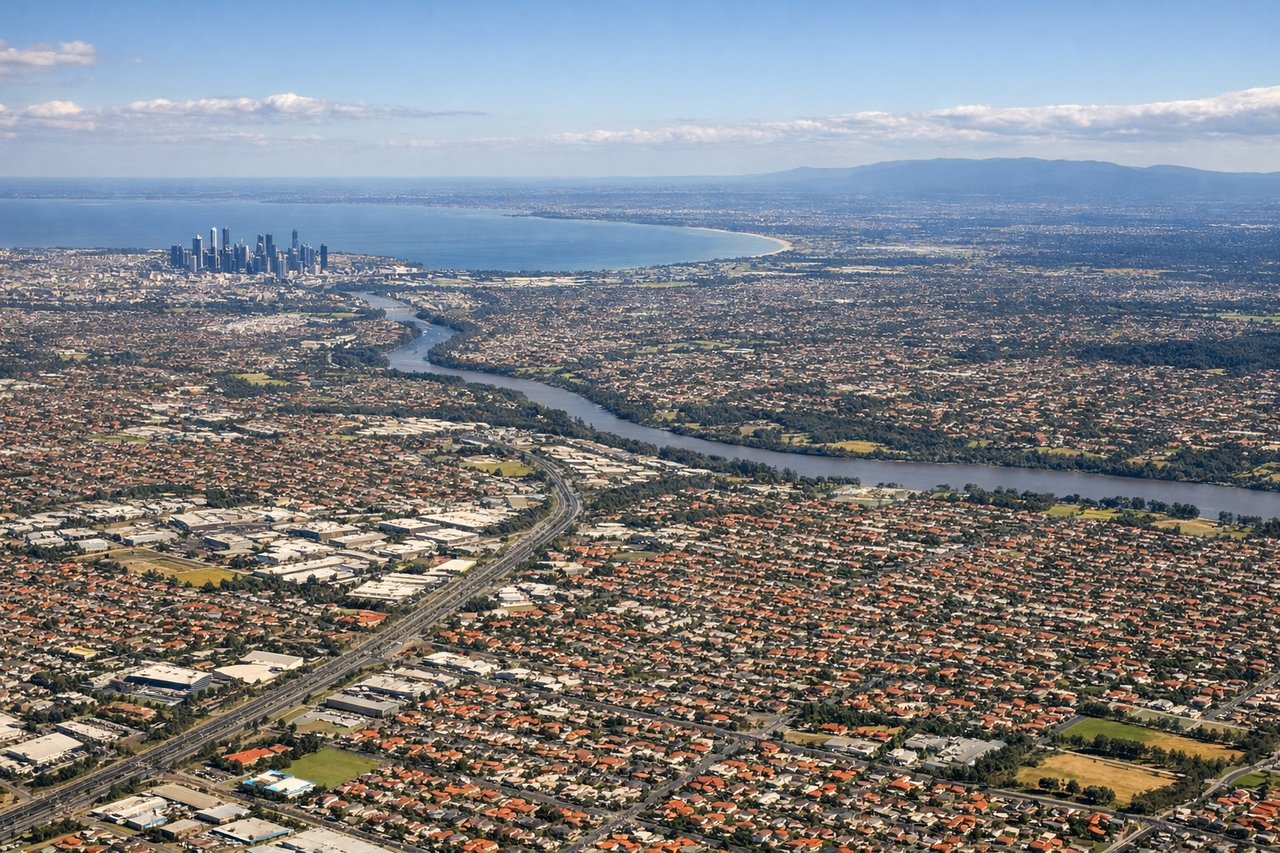
Landing at MEL
LEFTLeft-side seats provide excellent views during the approach to Melbourne. You'll see Port Phillip Bay, the Dandenong Ranges to the east, and the urban sprawl of Melbourne's suburbs spreading across the flat plains. The descent path typically brings these features into clear view on the left side.
Landmarks on this routeAll landmarks →
Will your flight be in sunlight?
See exactly which side of the plane gets sun and shade at your departure time.
About This Route
Which side of the plane should I sit on flying from Bandaranaike International (CMB) to Melbourne International (MEL)?
Sit on the Left side of the plane for the best views on flights from Colombo to Melbourne. While takeoff offers interesting coastal views on the right, the landing approach on the left provides more dramatic and varied scenery—Port Phillip Bay, the Dandenong Ranges, and Melbourne's urban landscape create a more compelling visual sequence. The left side captures the geographic transition into Australia's second-largest city.
What can I see during takeoff from Bandaranaike International in Colombo?
During takeoff from Bandaranaike International (CMB), sit on the Right side for the best views. Right-side seats offer views of the southwestern coast of Sri Lanka during the initial climb-out from Colombo. You'll see the Indian Ocean, coastal towns, and the terrain transitioning from urban to rural as the aircraft banks southward on its typical departure routing. Notable sights include: Indian Ocean coastline, Colombo city sprawl (urban grid visible below 5,000 ft), southwestern coastal plains, Kelani River delta.
What can I see when landing at Melbourne International in Melbourne?
When landing at Melbourne International (MEL), sit on the Left side for the best views. Left-side seats provide excellent views during the approach to Melbourne. You'll see Port Phillip Bay, the Dandenong Ranges to the east, and the urban sprawl of Melbourne's suburbs spreading across the flat plains. The descent path typically brings these features into clear view on the left side. Notable sights include: Port Phillip Bay (large enclosed water body), Dandenong Ranges (forested hills to the east), Melbourne CBD skyline, Yarra River.
How long is the flight from Colombo to Melbourne?
The flight from Bandaranaike International (CMB) to Melbourne International (MEL) takes Approximately 7.5 to 8.5 hours.
What does the Colombo to Melbourne flight path pass over?
The flight path crosses the Indian Ocean for roughly 4,000 nautical miles. Notable features along the route include the Chagos Archipelago (visible around 6-7 hours into flight if flying the southern route), the Maldives area (if taking a more northern routing), and the vast open ocean with occasional weather systems. As the aircraft approaches Australia, the Great Australian Bight becomes visible, followed by the Australian coastline near South Australia. The flight typically passes over or near Tasmania before descending into Melbourne.