Left side wins at both ends of the flight. Over the Atlantic the views are largely featureless ocean regardless of side, but the left seat delivers the best scenery at departure over Casablanca's coast and at arrival over the Potomac and D.C. area.
Flown CMN to IAD? Did we get it right?
Flight Path
Casablanca to Washington is 3,821 miles (6,149 km), a flight of about 8 hours 30 minutes.
The route tracks northwest from Morocco across the North Atlantic, passing south of the Azores (which may be faintly visible on the left side in clear conditions at cruise altitude), then crossing the mid-Atlantic with no land features until approaching the Newfoundland and Nova Scotia coastlines. The final portion crosses New England and the Mid-Atlantic states, with the Appalachian Mountains visible as a long ridgeline before descent into Dulles.
Great circle distance and headings ›

Phase by phase
Takeoff from CMN
LEFTCMN typically departs on runway 17L/35R or 17R/35L. A northbound departure heading toward the Atlantic puts the city of Casablanca and the coastline on the left side. You get a clear view of the urban sprawl of Casablanca and the Atlantic coast as the aircraft banks northwest toward its oceanic track.
Landing at IAD
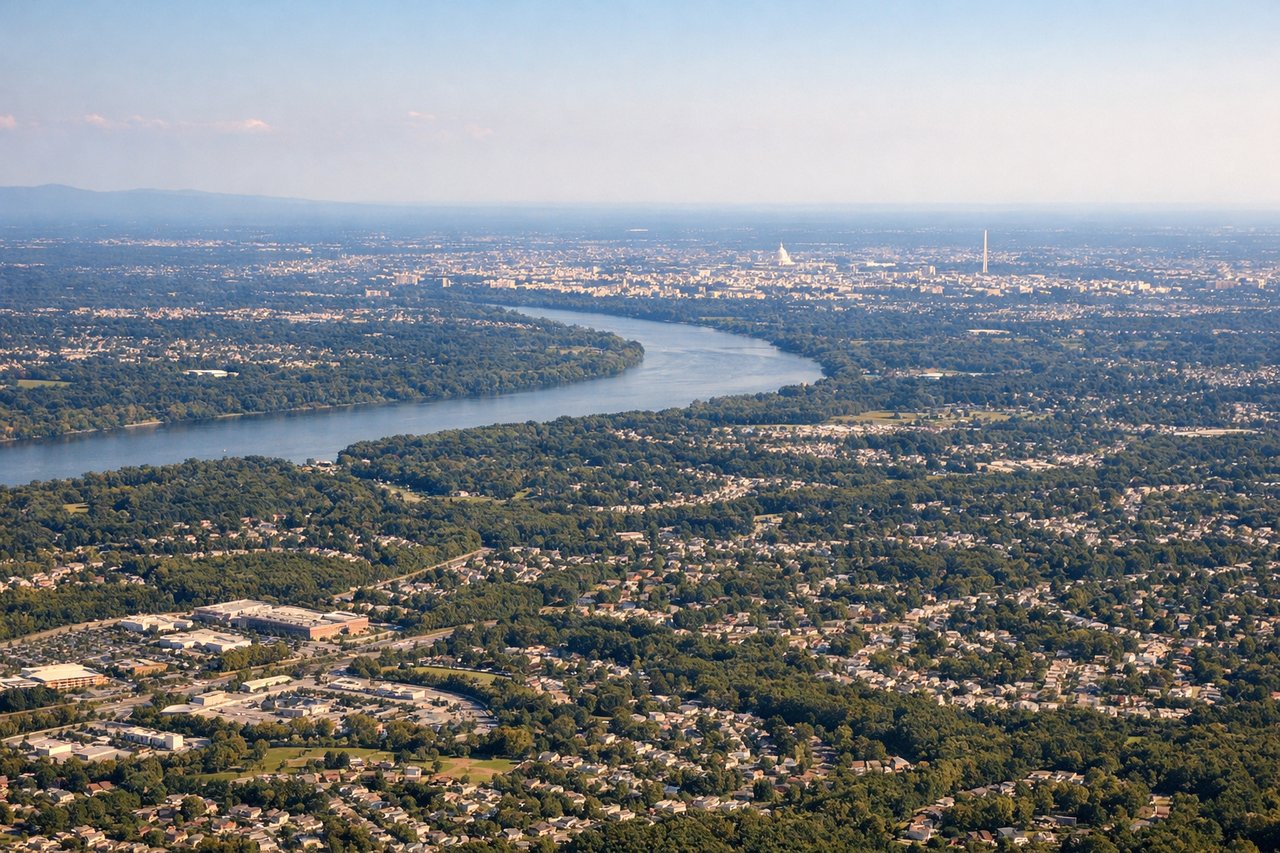
LEFTDulles typically receives transatlantic arrivals from the east, with approaches on runway 19L/R heading south or runway 01L/R heading north. On a standard eastbound approach from the Atlantic, the left side offers views over the Potomac River, the Virginia suburbs, and Washington D.C.'s monuments as the aircraft descends. The right side faces away from the city toward rural Virginia.
Will your flight be in sunlight?
Pick a date and time in the Sun Map to watch the sun move across your whole flight.
About This Route
Which side of the plane should I sit on flying from Mohammed V (CMN) to Washington Dulles International (IAD)?
Sit on the Left side of the plane for the best views on flights from Casablanca to Washington. Left side wins at both ends of the flight. Over the Atlantic the views are largely featureless ocean regardless of side, but the left seat delivers the best scenery at departure over Casablanca's coast and at arrival over the Potomac and D.C. area.
What can I see during takeoff from Mohammed V in Casablanca?
During takeoff from Mohammed V (CMN), sit on the Left side for the best views. CMN typically departs on runway 17L/35R or 17R/35L. A northbound departure heading toward the Atlantic puts the city of Casablanca and the coastline on the left side. You get a clear view of the urban sprawl of Casablanca and the Atlantic coast as the aircraft banks northwest toward its oceanic track. Notable sights include: Casablanca urban core and port, Atlantic Ocean coastline, Hassan II Mosque (largest mosque in Africa, visible from the air on the coast), Bouregreg River estuary near Rabat to the north.
What can I see when landing at Washington Dulles International in Washington?
When landing at Washington Dulles International (IAD), sit on the Left side for the best views. Dulles typically receives transatlantic arrivals from the east, with approaches on runway 19L/R heading south or runway 01L/R heading north. On a standard eastbound approach from the Atlantic, the left side offers views over the Potomac River, the Virginia suburbs, and Washington D.C.'s monuments as the aircraft descends. The right side faces away from the city toward rural Virginia. Notable sights include: Potomac River, Washington D.C. skyline and National Mall (visible on clear days during descent), Virginia suburbs of Fairfax and Arlington, Blue Ridge Mountains on the distant western horizon.
How long is the flight from Casablanca to Washington?
The flight from Mohammed V (CMN) to Washington Dulles International (IAD) takes about 8 hours 30 minutes. The shortest flight path between them is 3,821 miles (6,149 km); winds and air traffic control usually add a few percent.
What does the Casablanca to Washington flight path pass over?
The route tracks northwest from Morocco across the North Atlantic, passing south of the Azores (which may be faintly visible on the left side in clear conditions at cruise altitude), then crossing the mid-Atlantic with no land features until approaching the Newfoundland and Nova Scotia coastlines. The final portion crosses New England and the Mid-Atlantic states, with the Appalachian Mountains visible as a long ridgeline before descent into Dulles.