Right-side seats offer the most consistent scenic value: Atlantic coastal views during departure and the Alps visible on the right side during the approach into Switzerland. The takeoff views are particularly strong, and right seats capture good alpine perspective during landing.
Flight Path
The flight path crosses the Mediterranean coast near southern Spain (visible around 1.5 hours into flight), passes over the Pyrenees mountains between Spain and France, then continues over central France and the Jura Mountains before descending into the Swiss Alps. The Rhône Valley and Lake Geneva (Lac Léman) may be visible on the left side during the final approach phase, depending on exact routing and weather.
Great circle distance and headings ›


_Panoramica_del_centro_della_citt%C3%A0_dal_lago.jpg?width=600)
.jpg?width=600)


Phase by phase
Takeoff from CMN
RIGHTRight-side seats offer views of the Atlantic coastline and the city of Casablanca receding below. The flight departs westward over water before turning northeast, so right seats capture the coastal geography immediately after takeoff.
Landing at ZRH
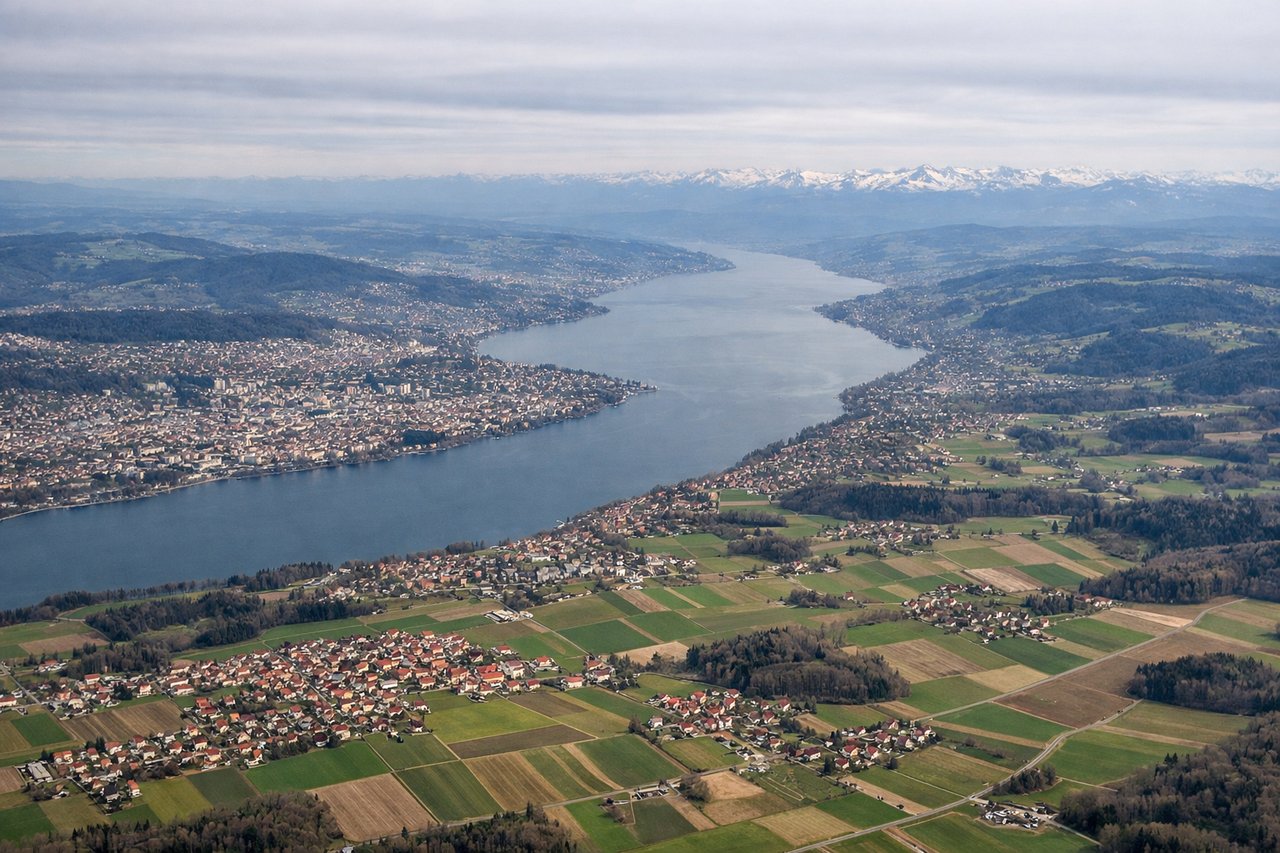
LEFTLeft-side seats provide excellent views during the descent into Zurich. The approach from the northwest brings the Alps into view on the left, with Lake Zurich and the city's geography visible ahead. Left seats capture the dramatic alpine backdrop and the lake's distinctive shape.
Landmarks on this routeAll landmarks →
Will your flight be in sunlight?
See exactly which side of the plane gets sun and shade at your departure time.
About This Route
Which side of the plane should I sit on flying from Mohammed V (CMN) to Zurich (ZRH)?
Sit on the Right side of the plane for the best views on flights from Casablanca to Zurich. Right-side seats offer the most consistent scenic value: Atlantic coastal views during departure and the Alps visible on the right side during the approach into Switzerland. The takeoff views are particularly strong, and right seats capture good alpine perspective during landing.
What can I see during takeoff from Mohammed V in Casablanca?
During takeoff from Mohammed V (CMN), sit on the Right side for the best views. Right-side seats offer views of the Atlantic coastline and the city of Casablanca receding below. The flight departs westward over water before turning northeast, so right seats capture the coastal geography immediately after takeoff. Notable sights include: Atlantic Ocean coastline, Casablanca urban sprawl, Anfa district waterfront, Morocco's western shelf waters.
What can I see when landing at Zurich in Zurich?
When landing at Zurich (ZRH), sit on the Left side for the best views. Left-side seats provide excellent views during the descent into Zurich. The approach from the northwest brings the Alps into view on the left, with Lake Zurich and the city's geography visible ahead. Left seats capture the dramatic alpine backdrop and the lake's distinctive shape. Notable sights include: Swiss Alps (Appenzell Alps and Säntis massif), Lake Zurich (Zürichsee), Zurich city center and urban sprawl, Limmat River valley.
How long is the flight from Casablanca to Zurich?
The flight from Mohammed V (CMN) to Zurich (ZRH) takes Approximately 3 hours 15 minutes.
What does the Casablanca to Zurich flight path pass over?
The flight path crosses the Mediterranean coast near southern Spain (visible around 1.5 hours into flight), passes over the Pyrenees mountains between Spain and France, then continues over central France and the Jura Mountains before descending into the Swiss Alps. The Rhône Valley and Lake Geneva (Lac Léman) may be visible on the left side during the final approach phase, depending on exact routing and weather.