The left side wins overall because the cruise phase tracks near the Rocky Mountains in Wyoming and Colorado, and the Seattle approach delivers dramatic views of Puget Sound and the Olympic Mountains — far outweighing the brief downtown Dallas glimpse on departure.
Flown DAL to SEA? Did we get it right?
Flight Path
Dallas to Seattle is 1,668 miles (2,685 km), a flight of about 3 hours 50 minutes.
Great Plains of Kansas and Nebraska, the Rocky Mountains near the Wyoming-Colorado border, the Snake River Plain of Idaho, and the eastern slopes of the Cascade Range approaching Washington
Great circle distance and headings ›

Phase by phase
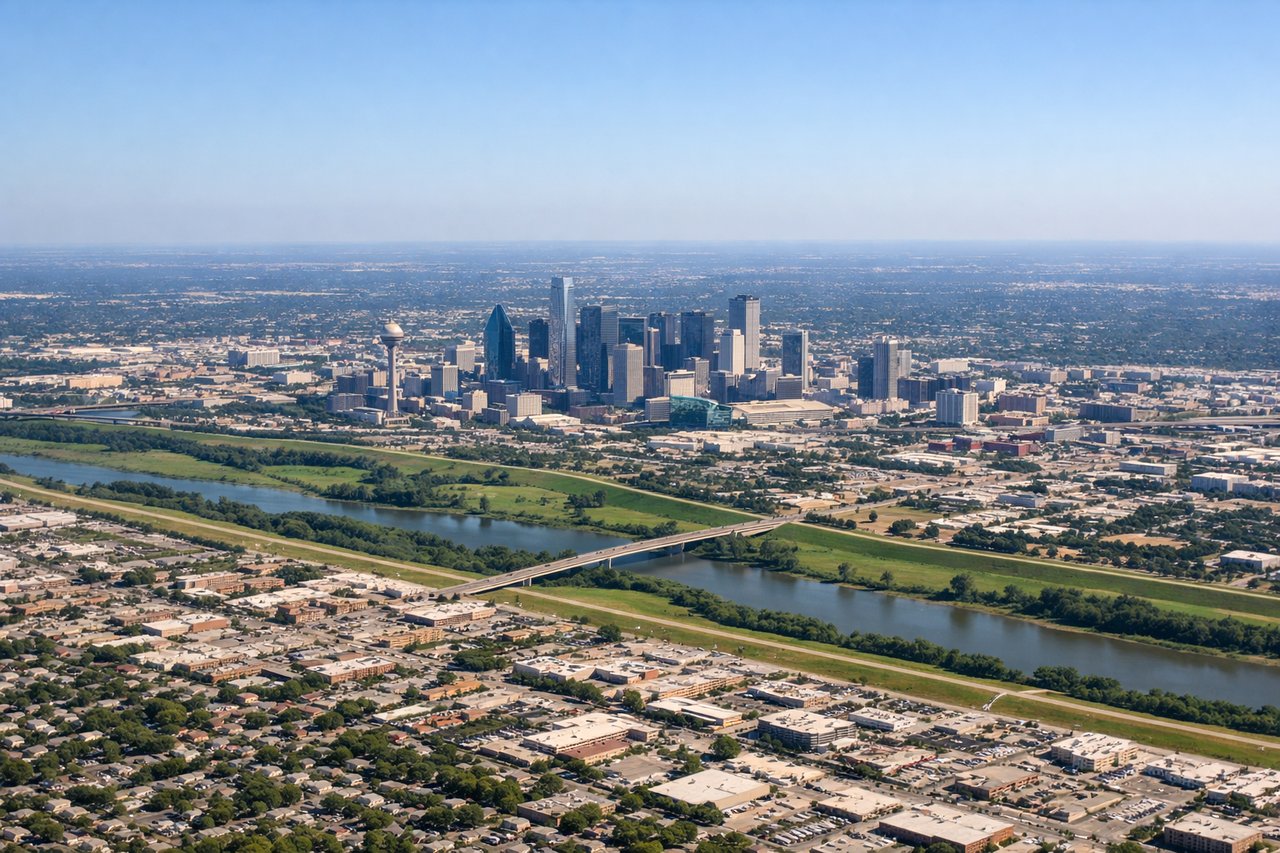
Takeoff from DAL
RIGHTLove Field sits just northwest of downtown Dallas, and departures climbing out to the northwest bank slightly, giving right-side passengers a good look at the downtown skyline and the Trinity River before the plains take over.
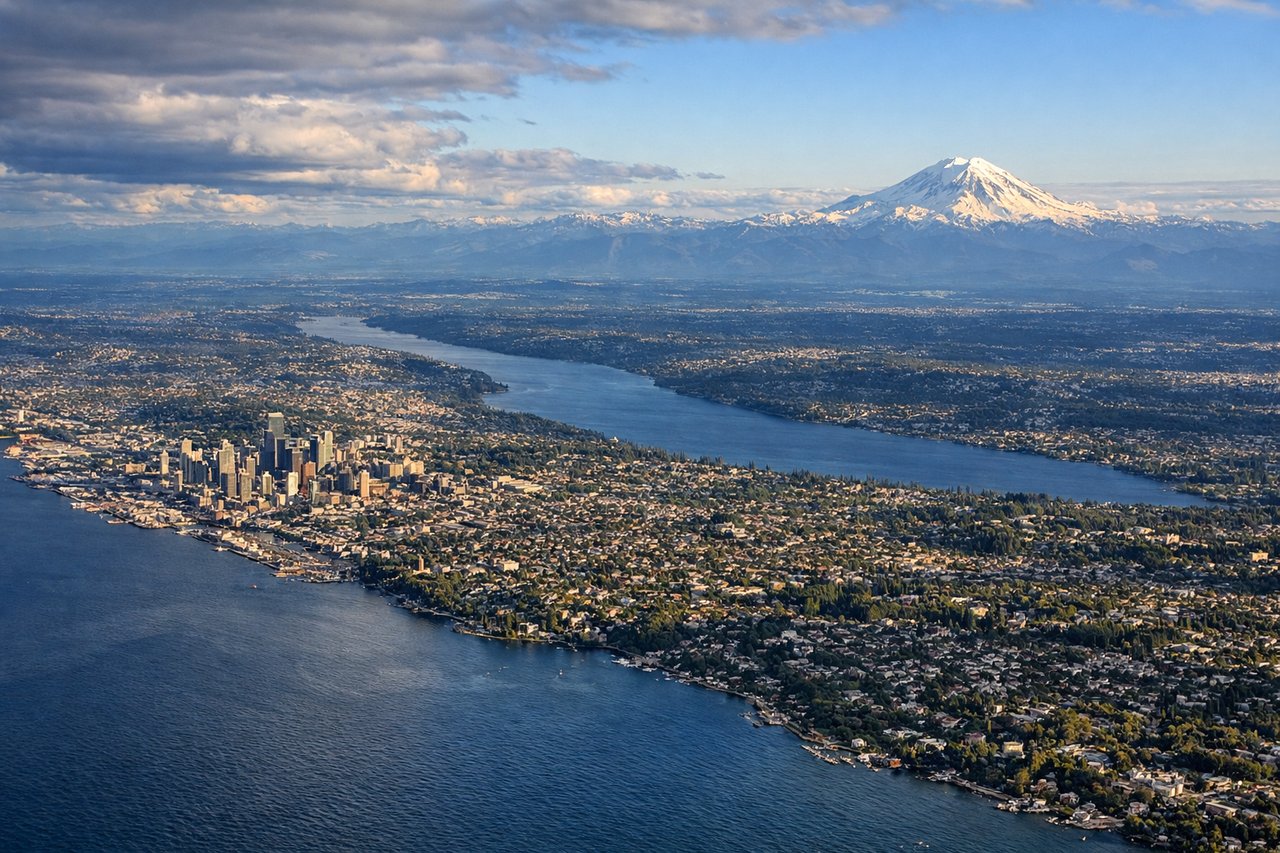
Landing at SEA
LEFTArriving from the east over the Cascades, the final descent into Sea-Tac gives left-side passengers sweeping views of Puget Sound, the Olympic Mountains on the far horizon, and the Seattle waterfront as the plane lines up with the north-south runways.
Will your flight be in sunlight?
Pick a date and time in the Sun Map to watch the sun move across your whole flight.
About This Route
Which side of the plane should I sit on flying from Dallas Love Fld (DAL) to Seattle Tacoma International (SEA)?
Sit on the Left side of the plane for the best views on flights from Dallas to Seattle. The left side wins overall because the cruise phase tracks near the Rocky Mountains in Wyoming and Colorado, and the Seattle approach delivers dramatic views of Puget Sound and the Olympic Mountains — far outweighing the brief downtown Dallas glimpse on departure.
What can I see during takeoff from Dallas Love Fld in Dallas?
During takeoff from Dallas Love Fld (DAL), sit on the Right side for the best views. Love Field sits just northwest of downtown Dallas, and departures climbing out to the northwest bank slightly, giving right-side passengers a good look at the downtown skyline and the Trinity River before the plains take over. Notable sights include: Downtown Dallas skyline, Trinity River, Reunion Tower area, White Rock Lake in the distance.
What can I see when landing at Seattle Tacoma International in Seattle?
When landing at Seattle Tacoma International (SEA), sit on the Left side for the best views. Arriving from the east over the Cascades, the final descent into Sea-Tac gives left-side passengers sweeping views of Puget Sound, the Olympic Mountains on the far horizon, and the Seattle waterfront as the plane lines up with the north-south runways. Notable sights include: Puget Sound, Olympic Mountains, Seattle downtown waterfront, Elliott Bay.
How long is the flight from Dallas to Seattle?
The flight from Dallas Love Fld (DAL) to Seattle Tacoma International (SEA) takes about 3 hours 50 minutes. The shortest flight path between them is 1,668 miles (2,685 km); winds and air traffic control usually add a few percent.
What does the Dallas to Seattle flight path pass over?
Great Plains of Kansas and Nebraska, the Rocky Mountains near the Wyoming-Colorado border, the Snake River Plain of Idaho, and the eastern slopes of the Cascade Range approaching Washington