The left side wins overall because the cruise phase crosses the eastern Himalayas and the Tibetan Plateau, offering one of the most dramatic mountain vistas of any commercial route, far outweighing the ocean-dominated right side.
Flown DEL to ICN? Did we get it right?
Flight Path
Delhi to Seoul is 2,892 miles (4,654 km), a flight of about 6 hours 30 minutes.
Eastern Himalayan peaks near the Nepal-Tibet border, the high Tibetan Plateau, the Sichuan Basin, and the Yellow Sea coastline near the Korean peninsula
Great circle distance and headings ›

Phase by phase
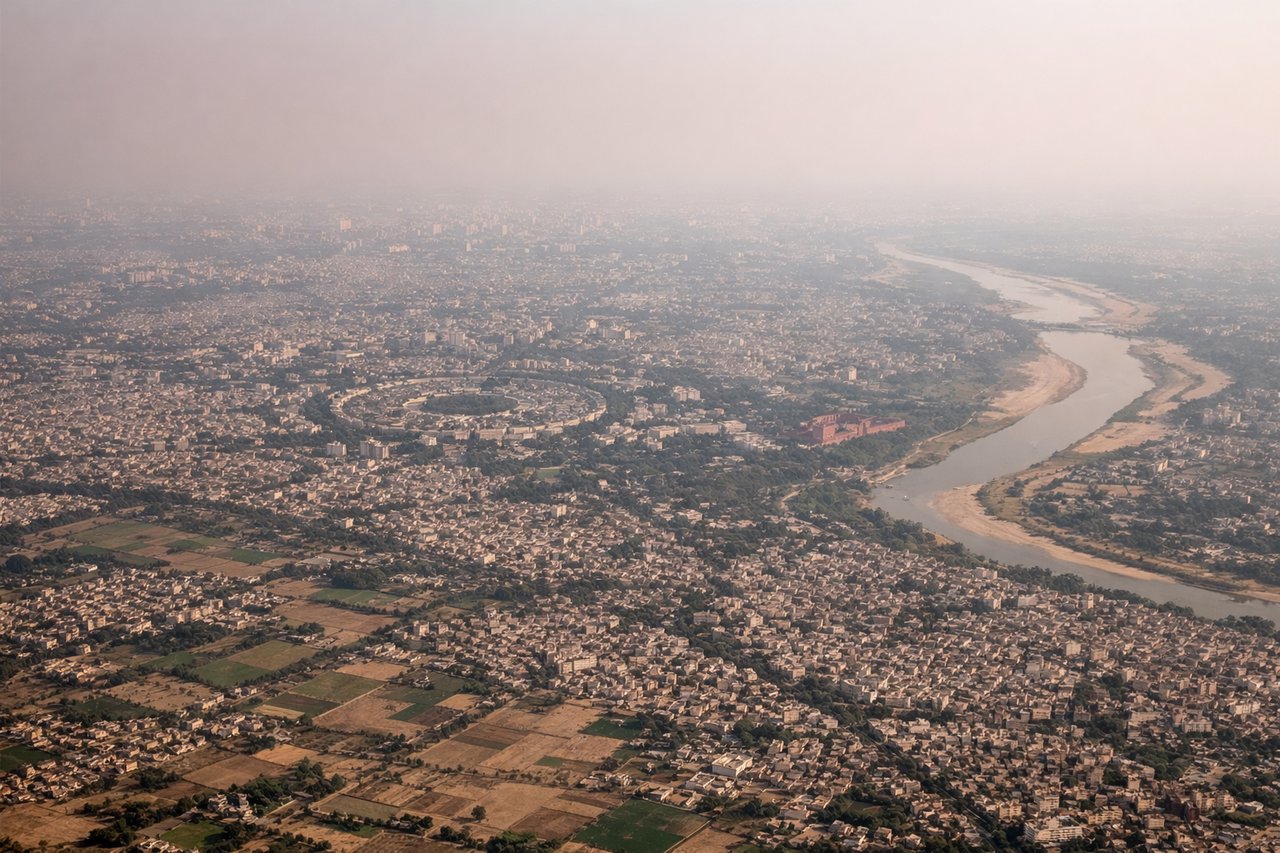
Takeoff from DEL
LEFTDeparting DEL to the northeast, the northern (left) side offers a distant but clear view of the Himalayan foothills and the Shivalik range on a clear day, while the right side shows only the flat Indo-Gangetic plain.
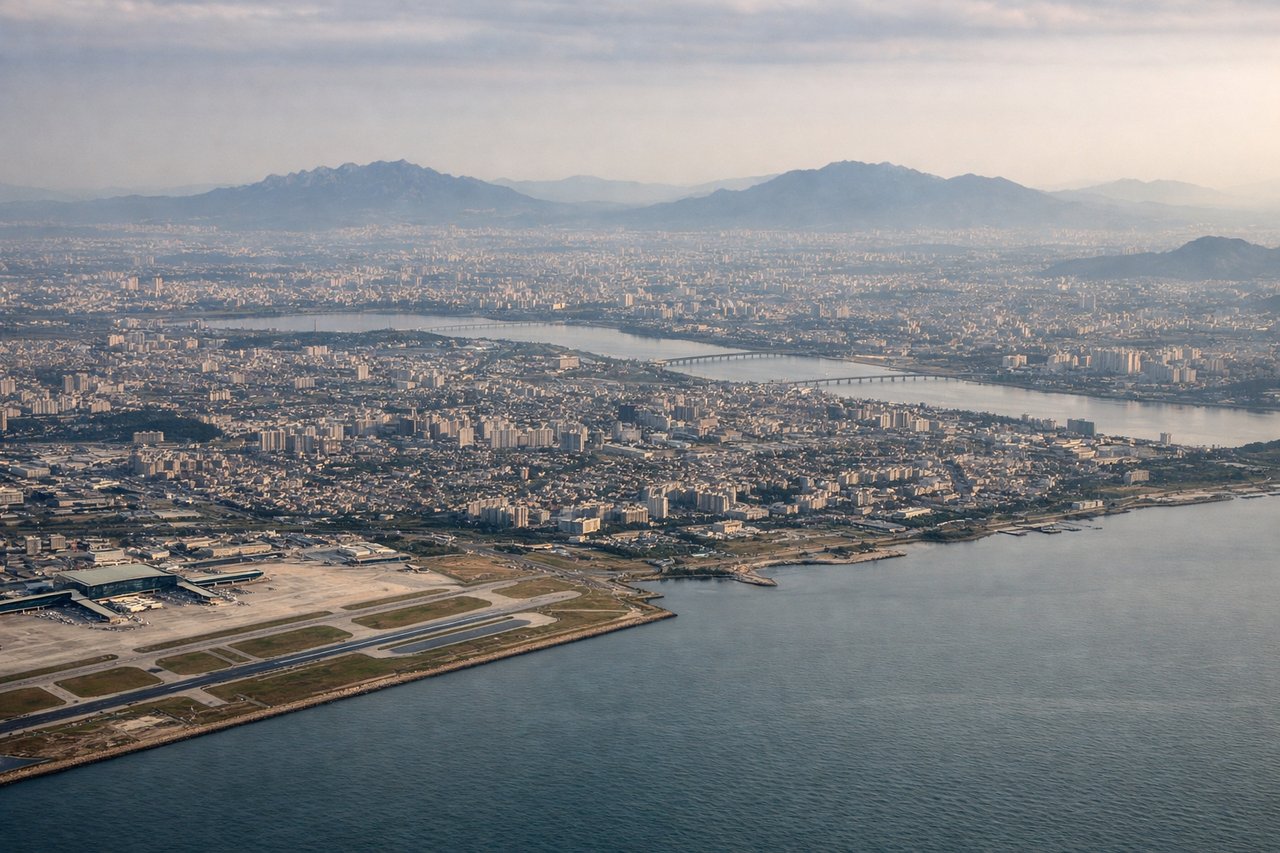
Landing at ICN
RIGHTOn approach to ICN's runways 33/34 from the southeast, the right side faces east toward the Seoul metropolitan skyline and the Han River estuary, offering a dramatic urban view, while the left side faces the open Yellow Sea.
Will your flight be in sunlight?
Pick a date and time in the Sun Map to watch the sun move across your whole flight.
About This Route
Which side of the plane should I sit on flying from Indira Gandhi International (DEL) to Incheon International (ICN)?
Sit on the Left side of the plane for the best views on flights from Delhi to Seoul. The left side wins overall because the cruise phase crosses the eastern Himalayas and the Tibetan Plateau, offering one of the most dramatic mountain vistas of any commercial route, far outweighing the ocean-dominated right side.
What can I see during takeoff from Indira Gandhi International in Delhi?
During takeoff from Indira Gandhi International (DEL), sit on the Left side for the best views. Departing DEL to the northeast, the northern (left) side offers a distant but clear view of the Himalayan foothills and the Shivalik range on a clear day, while the right side shows only the flat Indo-Gangetic plain. Notable sights include: Yamuna River, Delhi's urban sprawl, distant Shivalik Hills, Aravalli range remnants to the south (right, less distinct).
What can I see when landing at Incheon International in Seoul?
When landing at Incheon International (ICN), sit on the Right side for the best views. On approach to ICN's runways 33/34 from the southeast, the right side faces east toward the Seoul metropolitan skyline and the Han River estuary, offering a dramatic urban view, while the left side faces the open Yellow Sea. Notable sights include: Han River estuary, Incheon's Yeongjong Island coastline, distant Seoul skyline, Yellow Sea mudflats.
How long is the flight from Delhi to Seoul?
The flight from Indira Gandhi International (DEL) to Incheon International (ICN) takes about 6 hours 30 minutes. The shortest flight path between them is 2,892 miles (4,654 km); winds and air traffic control usually add a few percent.
What does the Delhi to Seoul flight path pass over?
Eastern Himalayan peaks near the Nepal-Tibet border, the high Tibetan Plateau, the Sichuan Basin, and the Yellow Sea coastline near the Korean peninsula