The right side wins because it captures the only real terrain drama on this route — the Himalayan foothills at departure and the distinctive Dutch polder-and-water landscape at arrival — while the left side is dominated by featureless plains and desert throughout most of the flight.
Flight Path
Hindu Kush mountain range over Afghanistan, Karakum Desert of Turkmenistan, southern Caspian Sea coastline, and the Carpathian foothills before descending over the Central European plain into the Netherlands
Great circle distance and headings ›

Phase by phase
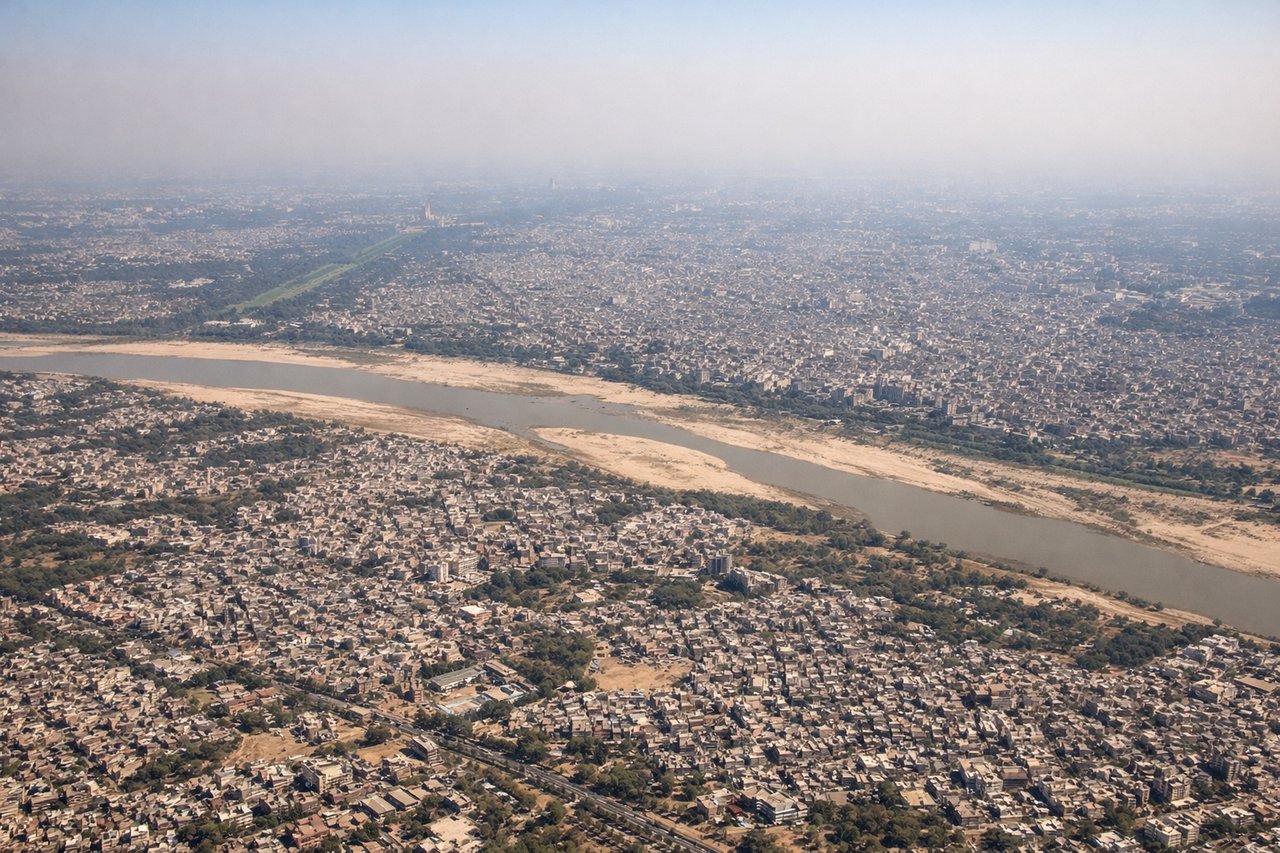
Takeoff from DEL
RIGHTDeparting DEL and turning northwest toward Europe, the right side offers a fading but real view of the Himalayan foothills and Shivalik range on a clear day, framed against the Yamuna river plains below. The left side mostly shows the flat, hazy Delhi-Haryana countryside with little variation.
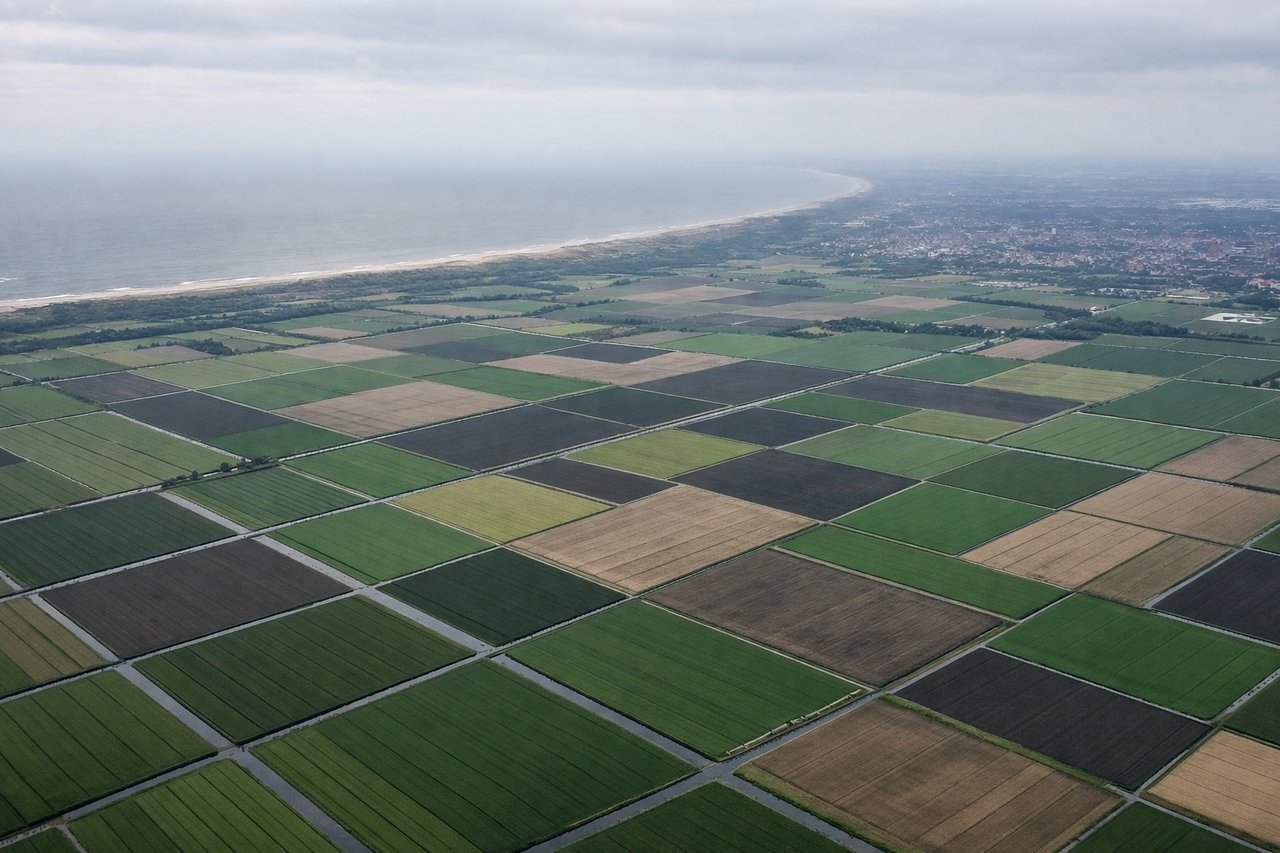
Landing at AMS
RIGHTOn approach into Schiphol from the north or northeast, the right side typically reveals the classic Dutch polder landscape, the IJsselmeer's flat blue expanse, and glimpses of Amsterdam's canal rings before the final turn onto the runway. The left side mostly shows open North Sea or featureless farmland with less variety.
Landmarks on this routeAll landmarks →
Will your flight be in sunlight?
See exactly which side of the plane gets sun and shade at your departure time.
About This Route
Which side of the plane should I sit on flying from Indira Gandhi International (DEL) to Schiphol (AMS)?
Sit on the Right side of the plane for the best views on flights from Delhi to Amsterdam. The right side wins because it captures the only real terrain drama on this route — the Himalayan foothills at departure and the distinctive Dutch polder-and-water landscape at arrival — while the left side is dominated by featureless plains and desert throughout most of the flight.
What can I see during takeoff from Indira Gandhi International in Delhi?
During takeoff from Indira Gandhi International (DEL), sit on the Right side for the best views. Departing DEL and turning northwest toward Europe, the right side offers a fading but real view of the Himalayan foothills and Shivalik range on a clear day, framed against the Yamuna river plains below. The left side mostly shows the flat, hazy Delhi-Haryana countryside with little variation. Notable sights include: Shivalik Hills, Yamuna River floodplain, Delhi urban sprawl, distant Himalayan foothills.
What can I see when landing at Schiphol in Amsterdam?
When landing at Schiphol (AMS), sit on the Right side for the best views. On approach into Schiphol from the north or northeast, the right side typically reveals the classic Dutch polder landscape, the IJsselmeer's flat blue expanse, and glimpses of Amsterdam's canal rings before the final turn onto the runway. The left side mostly shows open North Sea or featureless farmland with less variety. Notable sights include: IJsselmeer, Amsterdam canal ring, Dutch polder fields, North Sea coastline.
How long is the flight from Delhi to Amsterdam?
The flight from Indira Gandhi International (DEL) to Schiphol (AMS) takes 7h 45m.
What does the Delhi to Amsterdam flight path pass over?
Hindu Kush mountain range over Afghanistan, Karakum Desert of Turkmenistan, southern Caspian Sea coastline, and the Carpathian foothills before descending over the Central European plain into the Netherlands