While takeoff from DFW favors the right, the landing approach into Sydney Bankstown on the left offers more dramatic and visually distinctive scenery with the Blue Mountains and river valleys. The left side captures the most memorable portion of the flight's final descent.
Flight Path
This ultra-long-haul flight crosses the Pacific Ocean for roughly 8-9 hours of the journey. Notable geographic features along the typical routing include: the Hawaiian Islands (if routed via Hawaii, appearing as small dark volcanic peaks surrounded by deep blue ocean around the 6-7 hour mark); the International Date Line crossing; vast open Pacific with occasional weather systems visible as cloud formations; and the approach to Australia's east coast showing the Great Dividing Range as a north-south trending ridge system visible from altitude, with the Tasman Sea to the west and the Pacific coast to the east. The final descent into Sydney provides views of the New South Wales coast, including the Hawkesbury River estuary and the transition from coastal ranges to the Cumberland Plain.
Great circle distance and headings ›Phase by phase
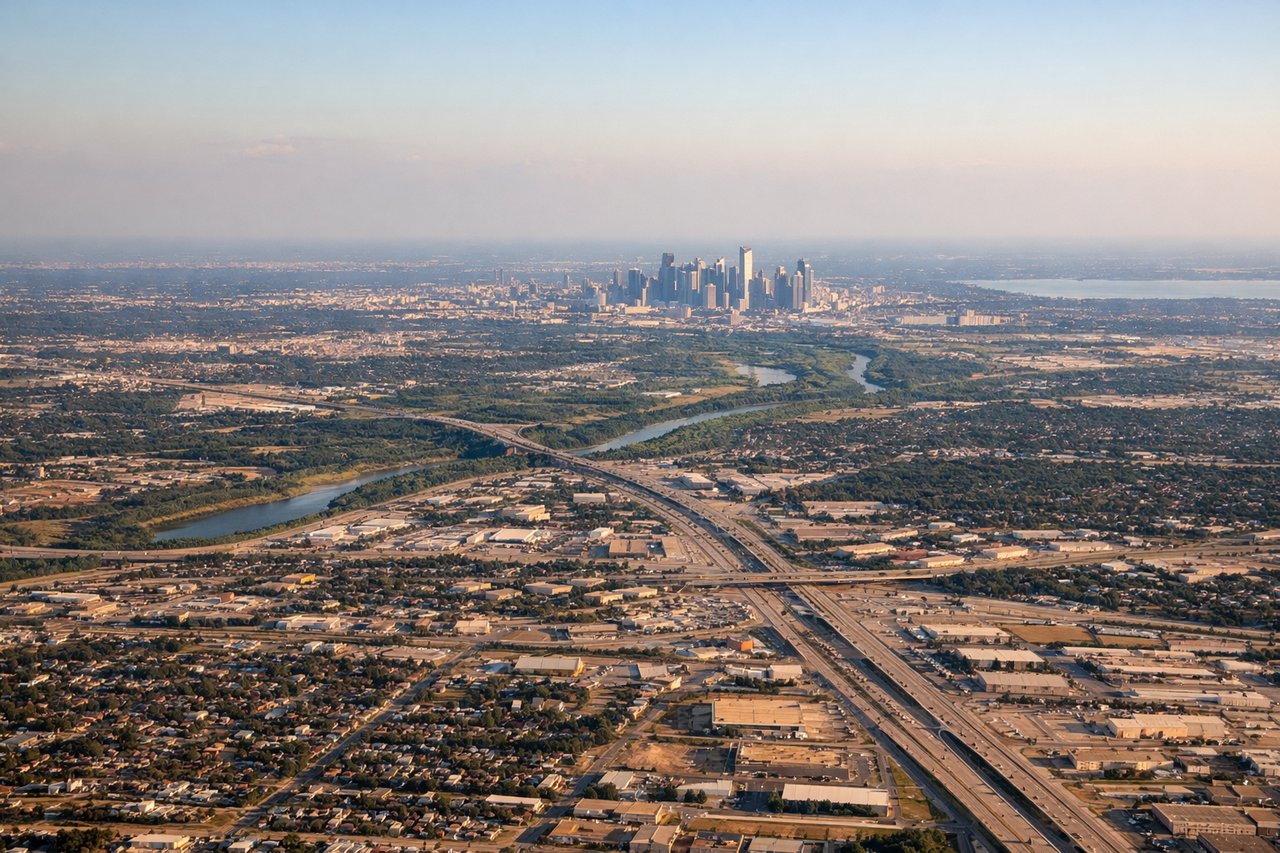
Takeoff from DFW
RIGHTRight-side seats offer views of the Fort Worth metropolitan area and the Trinity River valley as the aircraft climbs northeastward. You'll see the urban sprawl of the DFW metroplex receding below, with clear definition of the city grid and surrounding terrain.
Landing at BWU
LEFTLeft-side seats provide excellent views during the descent into Sydney Bankstown. You'll see the Blue Mountains to the west and southwest, the Nepean River valley, and the approach over western Sydney's suburban sprawl before landing.
Landmarks on this routeAll landmarks →
Will your flight be in sunlight?
See exactly which side of the plane gets sun and shade at your departure time.
About This Route
Which side of the plane should I sit on flying from Dallas Fort Worth International (DFW) to Sydney Bankstown (BWU)?
Sit on the Left side of the plane for the best views on flights from Dallas-Fort Worth to Sydney. While takeoff from DFW favors the right, the landing approach into Sydney Bankstown on the left offers more dramatic and visually distinctive scenery with the Blue Mountains and river valleys. The left side captures the most memorable portion of the flight's final descent.
What can I see during takeoff from Dallas Fort Worth International in Dallas-Fort Worth?
During takeoff from Dallas Fort Worth International (DFW), sit on the Right side for the best views. Right-side seats offer views of the Fort Worth metropolitan area and the Trinity River valley as the aircraft climbs northeastward. You'll see the urban sprawl of the DFW metroplex receding below, with clear definition of the city grid and surrounding terrain. Notable sights include: Fort Worth downtown skyline, Trinity River, Lake Worth, Denton County farmland to the north.
What can I see when landing at Sydney Bankstown in Sydney?
When landing at Sydney Bankstown (BWU), sit on the Left side for the best views. Left-side seats provide excellent views during the descent into Sydney Bankstown. You'll see the Blue Mountains to the west and southwest, the Nepean River valley, and the approach over western Sydney's suburban sprawl before landing. Notable sights include: Blue Mountains (western escarpment), Nepean River, Penrith Lakes, western Sydney suburbs.
How long is the flight from Dallas-Fort Worth to Sydney?
The flight from Dallas Fort Worth International (DFW) to Sydney Bankstown (BWU) takes Approximately 15.5 to 16.5 hours (including typical routing via Pacific).
What does the Dallas-Fort Worth to Sydney flight path pass over?
This ultra-long-haul flight crosses the Pacific Ocean for roughly 8-9 hours of the journey. Notable geographic features along the typical routing include: the Hawaiian Islands (if routed via Hawaii, appearing as small dark volcanic peaks surrounded by deep blue ocean around the 6-7 hour mark); the International Date Line crossing; vast open Pacific with occasional weather systems visible as cloud formations; and the approach to Australia's east coast showing the Great Dividing Range as a north-south trending ridge system visible from altitude, with the Tasman Sea to the west and the Pacific coast to the east. The final descent into Sydney provides views of the New South Wales coast, including the Hawkesbury River estuary and the transition from coastal ranges to the Cumberland Plain.