Right side wins at both ends of the flight. During the long overwater cruise over the Gulf of Mexico and along the Pacific coast of Central and South America, neither side has a decisive advantage over open ocean, but the right side delivers the better urban and coastal views at both DFW departure and Lima arrival.
Flown DFW to LIM? Did we get it right?
Flight Path
Dallas-Fort Worth to Lima is 3,370 miles (5,424 km), a flight of about 8 hours 30 minutes.
The route crosses the Gulf of Mexico south of the Yucatan Peninsula, then tracks over Central America where the volcanic spine of Guatemala, El Salvador, and Nicaragua is visible on clear days — a chain of conical stratovolcanoes running northwest to southeast. The flight then follows the Pacific coast of Ecuador and northern Peru, where the arid coastal desert meets the ocean. The Andes are visible to the east throughout the South American portion, with peaks exceeding 20,000 feet appearing as a distant white-capped wall on the left side of the aircraft.
Great circle distance and headings ›Phase by phase

Takeoff from DFW
RIGHTDFW's primary departure runways (17C/17R heading south, or 18L/18R) send aircraft over the Dallas-Fort Worth metroplex. A right-side seat gives you views over downtown Fort Worth to the west and the sprawling DFW suburban grid. Departures heading south on runway 17 series put the Dallas skyline off the right side as you climb out.
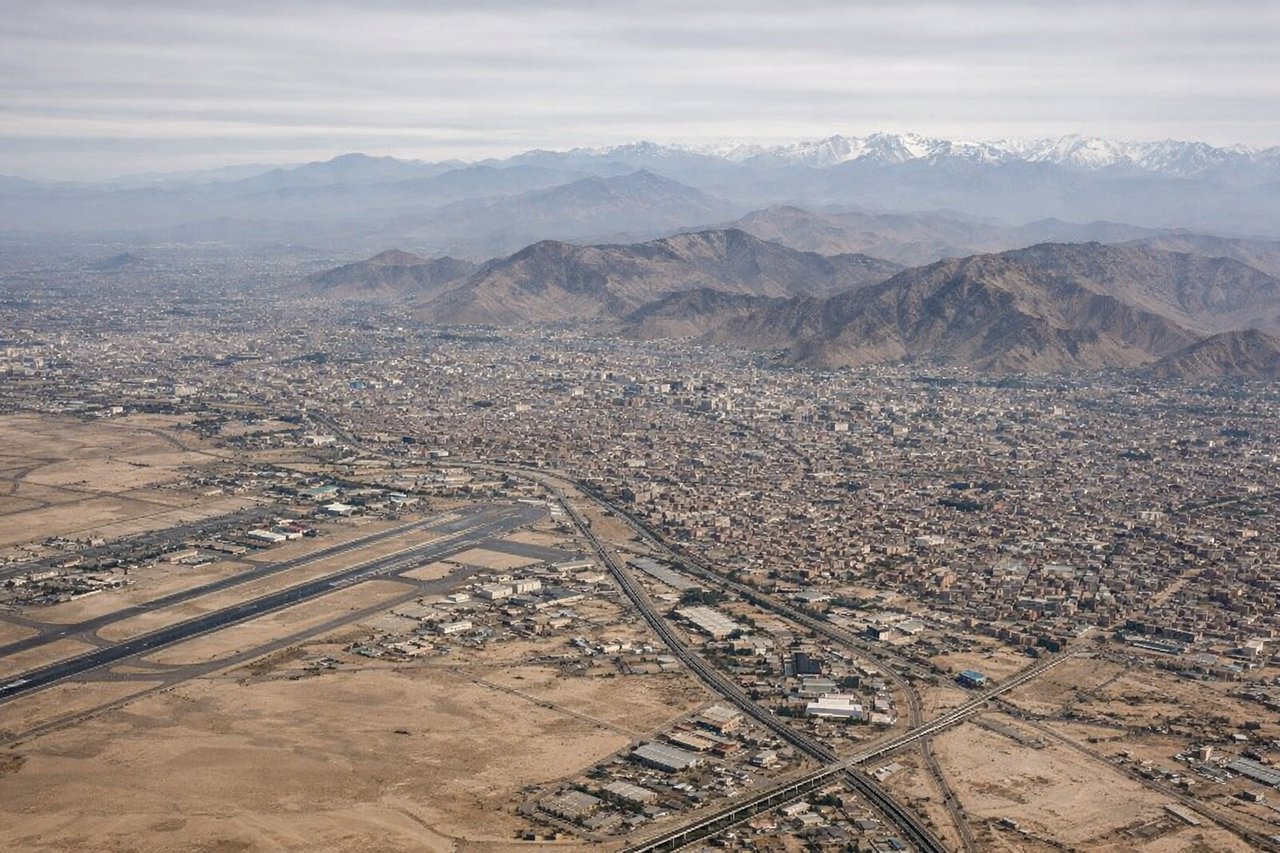
Landing at LIM
RIGHTJorge Chavez International sits just north of Lima, and aircraft typically approach from the north or northeast over the Pacific coast. A right-side seat on approach gives you the dramatic view of Lima's dense urban sprawl meeting the Pacific Ocean cliffs, with the Miraflores and Barranco coastal districts visible along the clifftop shoreline. The Andes are visible to the east on the left side but the coastal approach scenery is more dramatic on the right.
Will your flight be in sunlight?
Pick a date and time in the Sun Map to watch the sun move across your whole flight.
About This Route
Which side of the plane should I sit on flying from Dallas Fort Worth International (DFW) to Jorge Chávez International Airport (LIM)?
Sit on the Right side of the plane for the best views on flights from Dallas-Fort Worth to Lima. Right side wins at both ends of the flight. During the long overwater cruise over the Gulf of Mexico and along the Pacific coast of Central and South America, neither side has a decisive advantage over open ocean, but the right side delivers the better urban and coastal views at both DFW departure and Lima arrival.
What can I see during takeoff from Dallas Fort Worth International in Dallas-Fort Worth?
During takeoff from Dallas Fort Worth International (DFW), sit on the Right side for the best views. DFW's primary departure runways (17C/17R heading south, or 18L/18R) send aircraft over the Dallas-Fort Worth metroplex. A right-side seat gives you views over downtown Fort Worth to the west and the sprawling DFW suburban grid. Departures heading south on runway 17 series put the Dallas skyline off the right side as you climb out. Notable sights include: Downtown Fort Worth skyline, Lake Worth to the northwest, Joe Pool Lake to the south, the dense suburban grid of Arlington between the two cities.
What can I see when landing at Jorge Chávez International Airport in Lima?
When landing at Jorge Chávez International Airport (LIM), sit on the Right side for the best views. Jorge Chavez International sits just north of Lima, and aircraft typically approach from the north or northeast over the Pacific coast. A right-side seat on approach gives you the dramatic view of Lima's dense urban sprawl meeting the Pacific Ocean cliffs, with the Miraflores and Barranco coastal districts visible along the clifftop shoreline. The Andes are visible to the east on the left side but the coastal approach scenery is more dramatic on the right. Notable sights include: Pacific Ocean coastline and Lima's coastal cliffs, Miraflores district along the clifftops, Callao port and harbor directly below on final approach, Lima's dense urban grid stretching inland.
How long is the flight from Dallas-Fort Worth to Lima?
The flight from Dallas Fort Worth International (DFW) to Jorge Chávez International Airport (LIM) takes about 8 hours 30 minutes. The shortest flight path between them is 3,370 miles (5,424 km); winds and air traffic control usually add a few percent.
What does the Dallas-Fort Worth to Lima flight path pass over?
The route crosses the Gulf of Mexico south of the Yucatan Peninsula, then tracks over Central America where the volcanic spine of Guatemala, El Salvador, and Nicaragua is visible on clear days — a chain of conical stratovolcanoes running northwest to southeast. The flight then follows the Pacific coast of Ecuador and northern Peru, where the arid coastal desert meets the ocean. The Andes are visible to the east throughout the South American portion, with peaks exceeding 20,000 feet appearing as a distant white-capped wall on the left side of the aircraft.