The left side offers the more dynamic experience: distant views of the Montana and Wyoming Rockies during cruise, followed by a dramatic Front Range and Calgary skyline vista on approach, while the right side stays over featureless plains for nearly the entire flight.
Flight Path
Great Plains of Nebraska and South Dakota, distant Black Hills, rolling High Plains of eastern Montana approaching the Rocky Mountain foothills near the Canadian border
Great circle distance and headings ›Phase by phase
Takeoff from DFW
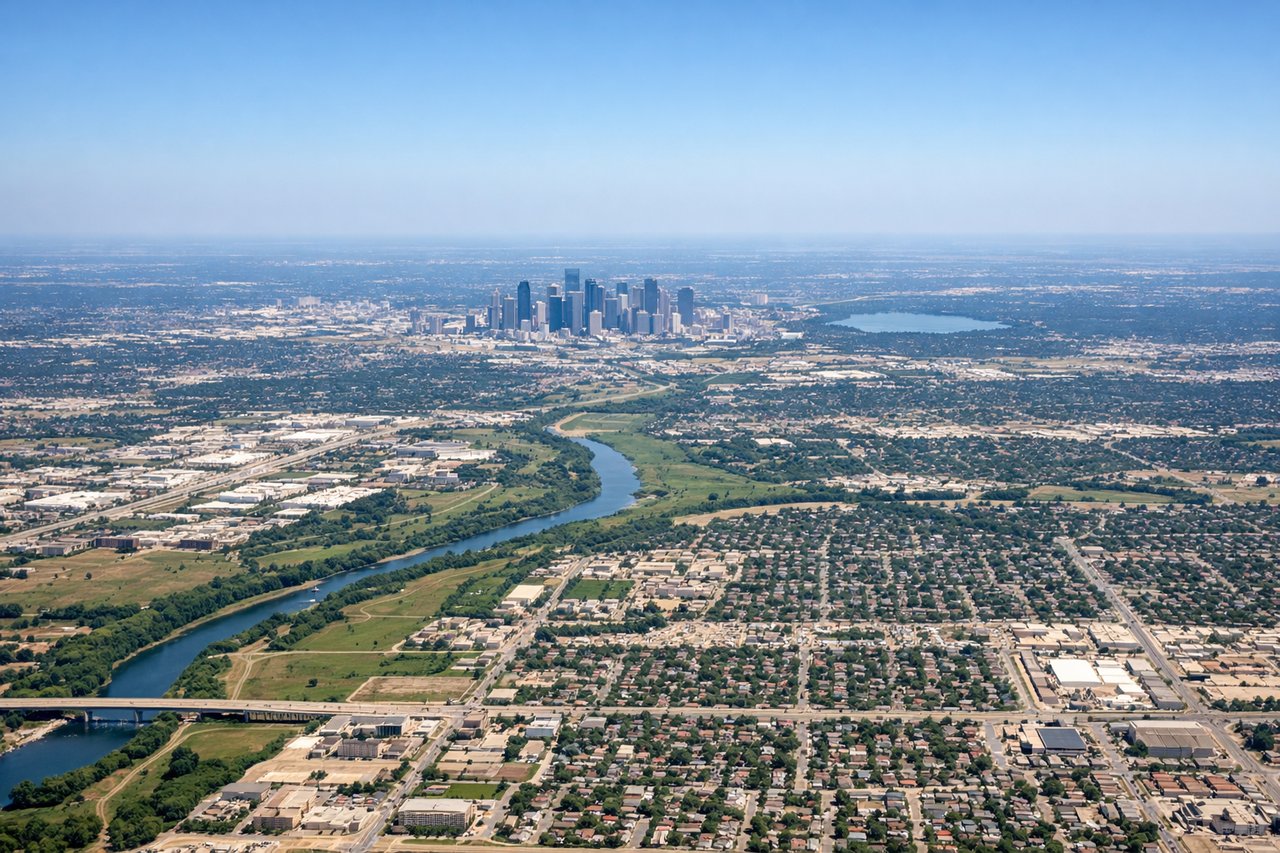
LEFTDeparture out of DFW crosses flat North Texas prairie on both sides, but as the aircraft turns onto its northbound routing, the Dallas-Fort Worth metro skyline and reservoirs briefly appear on the left before the plains take over.
Landing at YYC
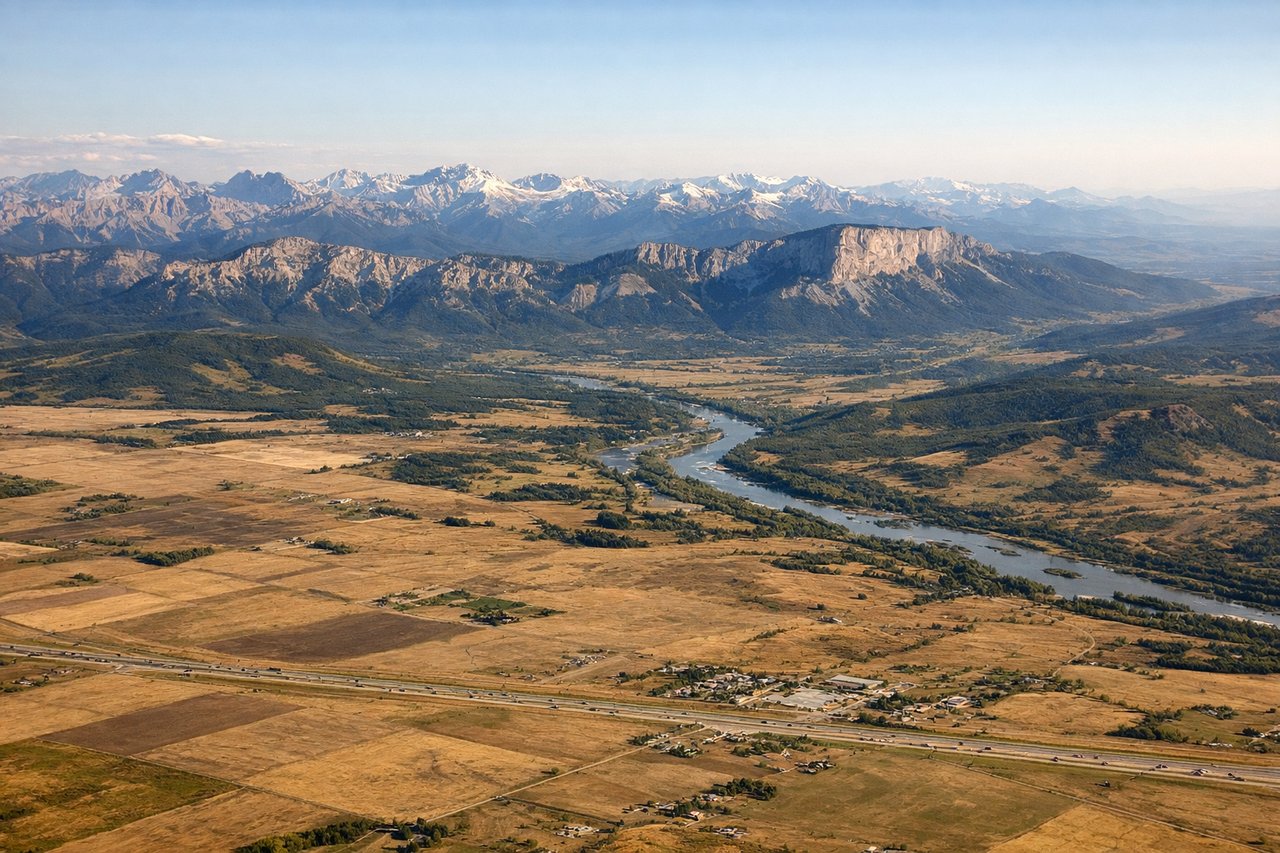
LEFTOn the descent into Calgary, the aircraft typically flies south along the eastern edge of the Rockies before turning onto final approach, giving left-side passengers a clear view of the Front Range foothills and the city skyline framed against the mountains.
Will your flight be in sunlight?
See exactly which side of the plane gets sun and shade at your departure time.
About This Route
Which side of the plane should I sit on flying from Dallas Fort Worth International (DFW) to Calgary International (YYC)?
Sit on the Left side of the plane for the best views on flights from Dallas-Fort Worth to Calgary. The left side offers the more dynamic experience: distant views of the Montana and Wyoming Rockies during cruise, followed by a dramatic Front Range and Calgary skyline vista on approach, while the right side stays over featureless plains for nearly the entire flight.
What can I see during takeoff from Dallas Fort Worth International in Dallas-Fort Worth?
During takeoff from Dallas Fort Worth International (DFW), sit on the Left side for the best views. Departure out of DFW crosses flat North Texas prairie on both sides, but as the aircraft turns onto its northbound routing, the Dallas-Fort Worth metro skyline and reservoirs briefly appear on the left before the plains take over. Notable sights include: Dallas-Fort Worth Metroplex, Lake Grapevine, Lewisville Lake.
What can I see when landing at Calgary International in Calgary?
When landing at Calgary International (YYC), sit on the Left side for the best views. On the descent into Calgary, the aircraft typically flies south along the eastern edge of the Rockies before turning onto final approach, giving left-side passengers a clear view of the Front Range foothills and the city skyline framed against the mountains. Notable sights include: Rocky Mountain Front Range, Bow River, Calgary downtown skyline, foothill ridgelines.
How long is the flight from Dallas-Fort Worth to Calgary?
The flight from Dallas Fort Worth International (DFW) to Calgary International (YYC) takes 3h 10m.
What does the Dallas-Fort Worth to Calgary flight path pass over?
Great Plains of Nebraska and South Dakota, distant Black Hills, rolling High Plains of eastern Montana approaching the Rocky Mountain foothills near the Canadian border